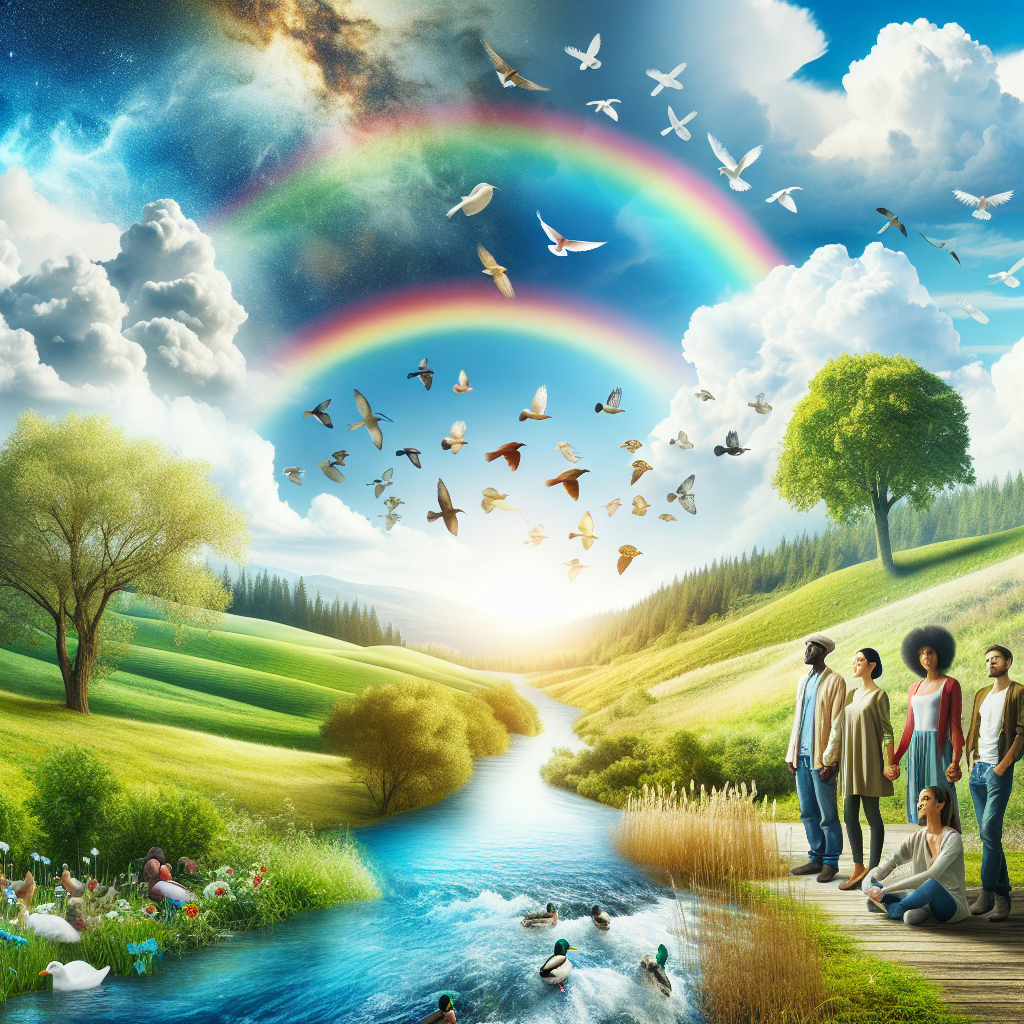
The Role of Nature in Promoting Happiness and Mental Well-Being
In the rhythmic hustle of modern society, individuals often seek solace in various forms of escape. Among them, nature stands out as a sanctuary that offers respite and rejuvenation for both the mind and body. The role of nature in promoting happiness and mental well-being has garnered significant attention in recent years, largely due to the heightened strain on mental health from our increasingly urbanized and technology-driven lifestyles.
The Healing Power of Green Spaces
The allure of lush greenery and serene landscapes is no coincidence. There’s substantial evidence to suggest that nature has a profound impact on our psychological state. Green spaces, whether it be parks, forests, or simply tree-lined streets, provide a sense of peace that is scarce in concrete jungles.
– Stress Reduction: Time spent in nature can significantly lower stress levels. The sights and sounds of the natural world trigger a restful response in the brain, mitigating the body’s stress hormone, cortisol.
– Cognitive Benefits: Contact with nature has been linked to improved attention, cognitive function, and creativity. The tranquility of natural surroundings allows the mind to rest, recover, and renew its focus.
– Emotional Well-Being: Studies show that people who spend more time outdoors report better moods and higher life satisfaction. The natural environment inspires a sense of wonder and contentment that is difficult to replicate in urban settings.
The Science of Biophilia
At the core of this connection lies the biophilia hypothesis, which suggests that humans possess an innate tendency to seek connections with nature and other forms of life. This intrinsic affinity for the natural world can be traced back to our evolutionary past, where survival was deeply intertwined with the environment.
– Genetic Ties: The preference for natural elements may be etched into our genetic code, as our ancestors relied on the ability to read and respond to the natural world for survival.
– Neurological Connections: Research indicates that exposure to natural scenes activates parts of the brain associated with balance and emotional stability, reinforcing our natural inclination toward nature for mental replenishment.
The Impact of Blue Spaces
While green spaces receive much of the limelight, ‘blue spaces’—environments with water bodies such as lakes, rivers, and coastal regions—also play a pivotal role in enhancing mental health.
– Psychological Restoration: Water is inherently calming. The sight and sound of water can induce a meditative state, leading to reduced anxiety and deeper relaxation.
– Physical Activity: Blue spaces often encourage physical activities like swimming, kayaking, or seaside walks, which further promote mental health through exercise.
– Social Interaction: These settings frequently act as communal places that foster social ties and community engagement, contributing to emotional support and a sense of belonging.
Nature’s Therapy
Part of nature’s magic lies in its ability to function as a therapeutic backdrop. Nature therapy, also known as ecotherapy or green therapy, encompasses a range of activities that harness the restorative potential of the natural environment.
– Horticultural Therapy: Gardening and plant cultivation provide a nurturing experience that can improve mood and encourage a sense of accomplishment.
– Forest Bathing: Originating from Japan (Shinrin-yoku), this practice involves immersing oneself in the forest atmosphere. It has proven benefits for reducing stress, enhancing mood, and even boosting the immune system.
– Wilderness Therapy: Structured outdoor experiences, often navigated with the support of therapists, aid in personal growth and overcoming mental health challenges.
Bringing the Outdoors In
Realistically, accessibility to natural landscapes varies, and urban dwellers, in particular, may find it challenging to connect with nature. However, there are ways to cultivate this connection within the confines of city life.
– Indoor Plants: The presence of indoor greenery can purify the air and provide a visual connection to nature, aiding stress reduction and increasing work productivity.
– Nature-Inspired Design: Incorporating elements like wood, stone, and natural light can mimic outdoor settings and help evoke the calming effects of nature in indoor environments.
– Virtual Nature: While it cannot replace the full sensory experience, virtual representations of nature through imagery or sounds can offer psychological benefits and serve as brief mental retreats.
Rural Versus Urban Living
With the understanding that nature contributes positively to mental well-being, it has sparked discussions regarding the mental health disparities between rural and urban inhabitants.
– Mental Health Statistics: Incidences of certain mental health issues are often higher in cities, possibly attributable to the lack of nature, higher stress levels, and social isolation that urban environments can exacerbate.
– Community and Culture: Rural areas typically offer tighter-knit communities and a slower pace of life that, combined with ample natural surroundings, could contribute to better mental well-being.
– Urban Green Initiatives: Cities are increasingly recognizing the importance of integrating green spaces into urban planning. This includes developments like rooftop gardens, green corridors, and the rehabilitation of industrial areas into parks.
Challenges and Opportunities
Despite the clear benefits, there are hurdles to maximizing nature’s contribution to mental health. Not all communities have equal access to natural spaces, and disadvantaged areas often disproportionately lack green and blue spaces. Furthermore, global environmental challenges like climate change, deforestation, and pollution threaten the very nature that serves as humanity’s refuge.
– Environmental Justice: Efforts to promote equitable access to natural spaces can play a significant role in public health, particularly mental health, and should be a focus in policy-making.
– Conservation and Sustainability: Protecting natural environments ensures the longevity of their mental health benefits. Sustainable practices and conservation efforts are crucial for preserving these spaces for future generations.
– Community Engagement: Involving local communities in the creation and maintenance of green and blue spaces fosters a sense of ownership and responsibility, which can lead to well-maintained and widely used natural areas.
Conclusion
The relationship between nature and our mental well-being is a testament to the powerful influence of our surroundings on our psychological state. As research continues to highlight this connection, it becomes incumbent upon us to seek out and preserve natural habitats both for our health and the health of our planet. We must strive to integrate the beauty and restorative powers of the natural world into our daily lives. As individuals, by regularly immersing ourselves in nature, we can harness its benefits to foster happiness and a more profound sense of well-being. As a society, by valuing and protecting our environment, we can ensure that these treasures remain for generations to come. Nature is not only a backdrop to our existence; it is a vital source of life, inspiration, and peace. It is our ally in the quest for happiness and mental harmony.
