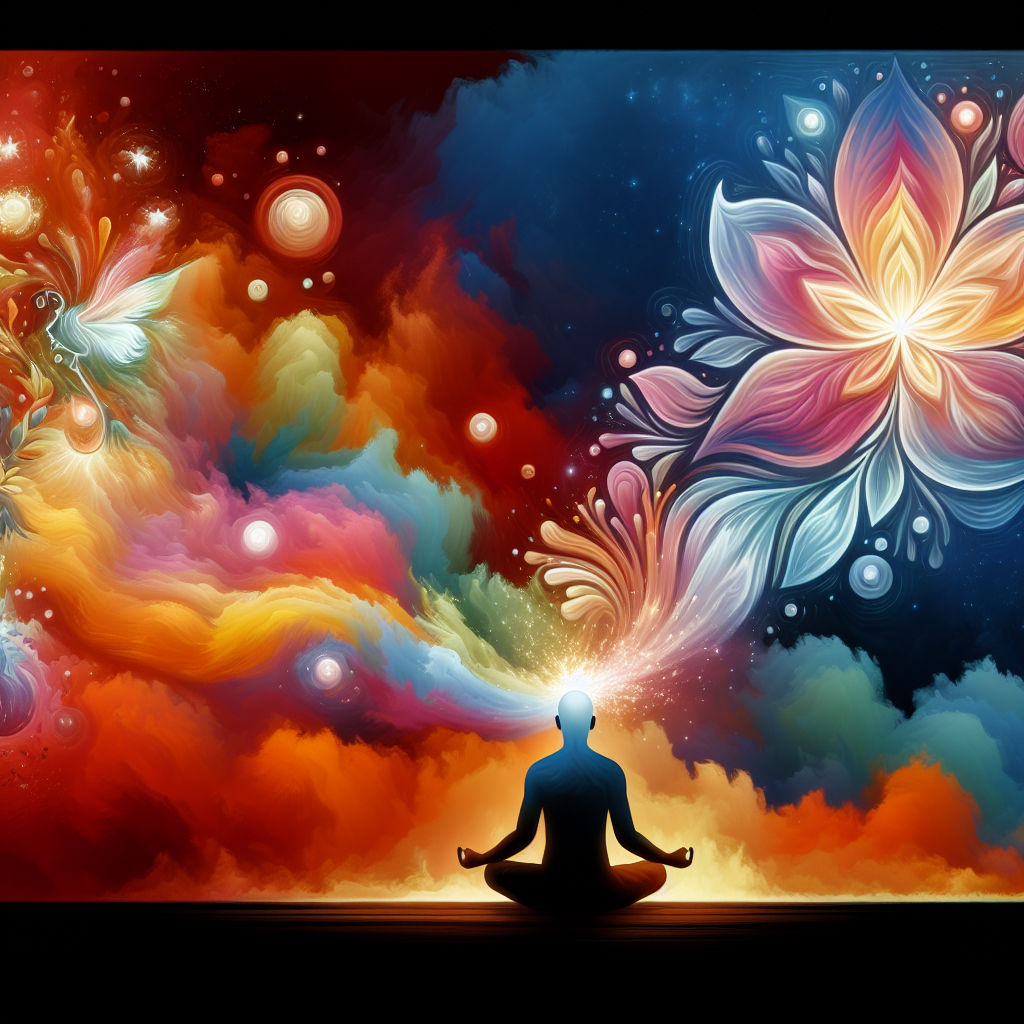
The Power of Visualization: Using Mental Imagery to Achieve Happiness
Visualization, also known as mental imagery, is a powerful psychological tool that can significantly impact our well-being and happiness. By creating vivid mental images, we can influence our emotions, behaviors, and even physical health. This article delves into the science behind visualization, its benefits, and practical techniques to harness its power for achieving happiness.
Understanding Visualization
Visualization involves creating mental images or scenarios in your mind. It is a cognitive process that can engage all the senses, making the imagined experiences feel almost real. This practice is not just a modern self-help trend; it has roots in ancient traditions and is supported by contemporary scientific research.
The Science Behind Visualization
– **Neuroscience and Visualization**: When we visualize an action, the brain activates similar neural pathways as when we perform the action physically. This phenomenon, known as neural mirroring, suggests that visualization can effectively “trick” the brain into experiencing the imagined scenario.
– **Psychological Theories**: Cognitive-behavioral theories propose that visualization can modify thought patterns and behaviors. By repeatedly visualizing positive outcomes, we can rewire our brains to expect and strive for those outcomes.
– **Empirical Evidence**: Numerous studies have shown that athletes who use visualization techniques perform better than those who do not. Similarly, visualization has been used in therapeutic settings to help individuals manage stress, anxiety, and depression.
Benefits of Visualization
– **Enhanced Emotional Well-being**: Visualization can evoke positive emotions, reduce stress, and increase overall happiness. By imagining joyful and fulfilling experiences, we can shift our emotional state from negative to positive.
– **Improved Performance**: Whether in sports, academics, or professional settings, visualization can enhance performance by improving focus, motivation, and confidence.
– **Goal Achievement**: Visualization helps clarify goals and create a mental roadmap for achieving them. By repeatedly visualizing success, we become more motivated and committed to our objectives.
– **Physical Health**: Visualization has been linked to improved physical health outcomes, such as enhanced immune function and faster recovery from illness or injury.
Techniques for Effective Visualization
– **Create a Clear and Detailed Image**: The more vivid and detailed your mental image, the more effective the visualization will be. Engage all your senses to make the experience as real as possible.
– **Practice Regularly**: Like any skill, visualization requires regular practice. Set aside time each day to engage in visualization exercises.
– **Stay Positive**: Focus on positive outcomes and experiences. Avoid visualizing negative scenarios, as this can reinforce negative thought patterns.
– **Use Affirmations**: Combine visualization with positive affirmations to reinforce the desired outcomes. Affirmations are positive statements that reflect your goals and aspirations.
– **Incorporate Relaxation Techniques**: Deep breathing, progressive muscle relaxation, and mindfulness can enhance the effectiveness of visualization by creating a calm and focused state of mind.
Visualization Exercises for Happiness
– **Gratitude Visualization**: Imagine a scenario where you feel immense gratitude. Visualize the people, places, and experiences that bring you joy. This exercise can shift your focus from what you lack to what you have, fostering a sense of contentment and happiness.
– **Future Self Visualization**: Picture yourself in the future, having achieved your goals and living a fulfilling life. Imagine the details of your surroundings, your emotions, and your accomplishments. This exercise can boost motivation and provide a sense of direction.
– **Healing Visualization**: If you are dealing with physical or emotional pain, visualize a healing process. Imagine your body or mind repairing itself, and focus on the sensations of relief and well-being. This exercise can promote a sense of control and hope.
– **Relaxation Visualization**: Create a mental image of a peaceful and relaxing place, such as a beach, forest, or mountain retreat. Engage all your senses to immerse yourself in this tranquil environment. This exercise can reduce stress and induce a state of calm.
Challenges and How to Overcome Them
– **Difficulty in Creating Vivid Images**: Some people may struggle to create detailed mental images. Start with simple scenarios and gradually add more details. Practice regularly to enhance your visualization skills.
– **Negative Intrusions**: Negative thoughts or images may intrude during visualization exercises. Acknowledge these intrusions without judgment and gently redirect your focus to positive imagery.
– **Lack of Time**: Busy schedules can make it challenging to find time for visualization. Incorporate short visualization exercises into your daily routine, such as during your morning commute or before bedtime.
– **Skepticism**: Some individuals may doubt the effectiveness of visualization. Approach the practice with an open mind and give it time to yield results. Consider reading scientific literature or testimonials to build confidence in the process.
Integrating Visualization into Daily Life
– **Morning Routine**: Start your day with a brief visualization exercise. Imagine a successful and fulfilling day ahead, focusing on positive interactions and accomplishments.
– **Work or Study Breaks**: Use short breaks to engage in visualization. Picture yourself completing tasks efficiently and feeling satisfied with your progress.
– **Pre-Sleep Routine**: End your day with a relaxation visualization. Create a mental image of a peaceful place and allow yourself to unwind and de-stress.
– **Mindfulness Practices**: Integrate visualization with mindfulness practices, such as meditation or yoga. Visualize positive outcomes while maintaining a state of present-moment awareness.
Visualization and Positive Psychology
Positive psychology, a field that focuses on the study of happiness and well-being, emphasizes the importance of mental imagery. Researchers in this field have identified several ways in which visualization can enhance happiness:
– **Building Resilience**: Visualization can help individuals build resilience by creating mental rehearsals of coping strategies for challenging situations. By visualizing successful outcomes, individuals can feel more prepared and confident in their ability to handle adversity.
– **Fostering Optimism**: Visualization encourages an optimistic outlook by focusing on positive future scenarios. Optimism is strongly correlated with higher levels of happiness and life satisfaction.
– **Enhancing Relationships**: Visualization can improve social interactions by mentally rehearsing positive communication and empathy. Strong social connections are a key component of happiness.
– **Cultivating a Growth Mindset**: Visualization supports the development of a growth mindset, the belief that abilities and intelligence can be developed through effort and practice. This mindset is associated with greater motivation, achievement, and overall well-being.
Real-Life Success Stories
– **Athletes**: Many elite athletes use visualization to enhance their performance. For example, Olympic swimmer Michael Phelps has credited visualization as a key factor in his success. By mentally rehearsing his races, he was able to stay focused and calm under pressure.
– **Entrepreneurs**: Successful entrepreneurs often use visualization to achieve their business goals. Oprah Winfrey, for instance, has spoken about the power of visualization in manifesting her dreams and aspirations.
– **Artists and Performers**: Visualization is a common practice among artists and performers. Musicians, actors, and dancers use mental imagery to perfect their craft and manage performance anxiety.
Conclusion
The power of visualization lies in its ability to transform our mental and emotional states, guiding us toward greater happiness and fulfillment. By harnessing the science-backed techniques of mental imagery, we can enhance our well-being, achieve our goals, and create a more positive and resilient mindset. Whether you are an athlete, entrepreneur, artist, or simply someone seeking a happier life, visualization offers a valuable tool for personal growth and success. Practice regularly, stay positive, and watch as your mental imagery translates into tangible improvements in your life.
