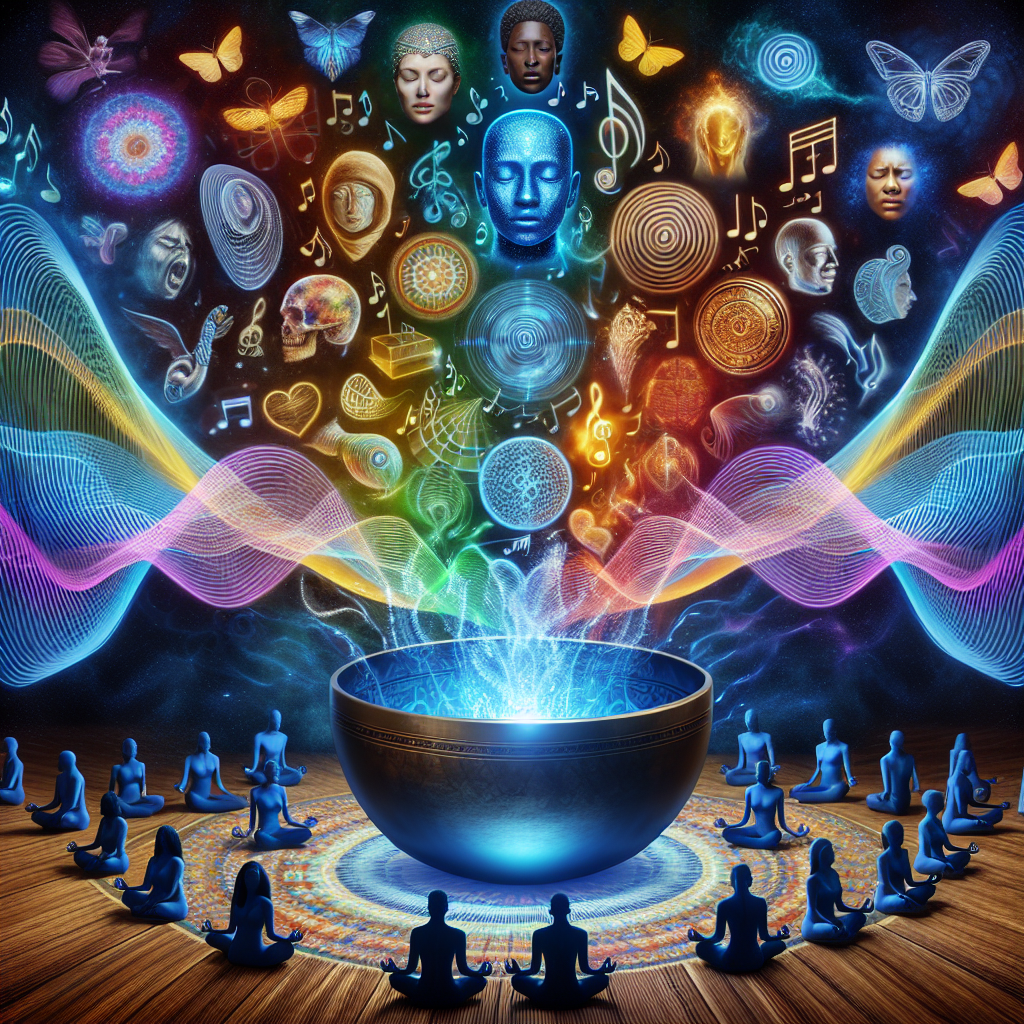
The Power of Sound Healing: Music and Vibrational Therapy for Emotional Well-Being
Introduction
In recent years, the exploration of alternative therapies has gained significant traction, and among these, sound healing has emerged as a powerful tool for enhancing emotional well-being. Sound healing, which encompasses both music and vibrational therapy, leverages the profound effects of sound waves on the human body and mind. This article delves into the science behind sound healing, its historical roots, and its applications in modern therapy. By understanding the mechanisms through which sound influences emotions, we can appreciate its potential as a complementary approach to emotional health.
The Science of Sound Healing
Sound healing operates on the principle that sound waves can influence the body’s energy fields and physiological states. At the core of this therapy is the concept of resonance, where specific frequencies can bring about changes in the body’s vibrational state. When these frequencies are applied, they can induce relaxation, reduce stress, and improve overall emotional health.
Research has shown that sound waves can alter brainwave patterns, encouraging a shift from beta waves, associated with active thinking, to alpha waves, which are linked to relaxed awareness. This shift can promote a meditative state, allowing individuals to access deeper levels of consciousness and emotional healing. Moreover, sound therapy can stimulate the production of endorphins, the body’s natural mood elevators, thus enhancing feelings of well-being.
Historical Roots of Sound Healing
Sound healing is not a novel concept; its roots can be traced back to ancient civilizations. In cultures across the globe, sound has been used as a healing modality for centuries. For instance, ancient Greeks utilized music to treat mental disorders, while Indigenous tribes incorporated chanting and drumming in their healing rituals. Similarly, Tibetan singing bowls and Indian classical music have long been employed to promote spiritual and emotional balance.
These historical practices underscore the universal recognition of sound’s therapeutic potential. By revisiting and integrating these age-old traditions with modern scientific understanding, sound healing has evolved into a sophisticated and effective approach to emotional well-being.
Applications of Sound Healing
Sound healing encompasses a variety of techniques, each with its own unique benefits. Below are some of the most prominent methods used in modern sound therapy:
1. Music Therapy
– Involves the use of music to address emotional and psychological needs.
– Can include listening to music, songwriting, or playing instruments.
– Proven to reduce anxiety, improve mood, and enhance cognitive function.
2. Vibrational Therapy
– Utilizes instruments such as tuning forks, gongs, and singing bowls.
– Aims to restore balance and harmony within the body’s energy fields.
– Effective in reducing stress, promoting relaxation, and alleviating pain.
3. Binaural Beats
– Involves listening to two slightly different frequencies in each ear.
– Encourages the brain to produce a third tone, known as a binaural beat.
– Can induce relaxation, improve focus, and enhance meditation practices.
4. Guided Sound Meditation
– Combines guided imagery with soothing sounds or music.
– Facilitates deep relaxation and emotional release.
– Often used in mindfulness and stress reduction programs.
Benefits of Sound Healing for Emotional Well-Being
Sound healing offers a multitude of benefits for emotional health, making it a valuable addition to traditional therapeutic approaches. Some of the key benefits include:
– Stress Reduction: Sound therapy can lower cortisol levels, the hormone associated with stress, leading to a calmer and more balanced emotional state.
– Emotional Release: By accessing deeper levels of consciousness, individuals can process and release suppressed emotions, leading to emotional clarity and healing.
– Enhanced Mood: The production of endorphins during sound therapy sessions can boost mood and alleviate symptoms of depression and anxiety.
– Improved Sleep: Sound healing can promote relaxation and reduce insomnia, leading to better sleep quality and overall well-being.
– Increased Mindfulness: Sound therapy encourages present-moment awareness, fostering a greater sense of mindfulness and emotional resilience.
Integrating Sound Healing into Daily Life
Incorporating sound healing into daily routines can be a simple yet effective way to enhance emotional well-being. Here are some practical tips for integrating sound therapy into everyday life:
– Create a Sound Sanctuary: Designate a quiet space in your home for sound healing practices. Fill it with calming music, instruments, or sound recordings that resonate with you.
– Practice Mindful Listening: Take time each day to listen to music or nature sounds mindfully. Focus on the nuances of the sound and observe how it affects your emotional state.
– Attend Sound Healing Sessions: Seek out local sound healing practitioners or workshops to experience the benefits of sound therapy in a guided setting.
– Use Sound Apps: Explore mobile applications that offer sound therapy tracks, binaural beats, or guided meditations to incorporate into your routine.
– Experiment with Instruments: Try playing instruments such as singing bowls or tuning forks to explore their vibrational effects on your body and mind.
Conclusion
The power of sound healing lies in its ability to connect with our innermost selves, facilitating profound emotional healing and well-being. By harnessing the therapeutic potential of music and vibrational therapy, individuals can embark on a journey of self-discovery and emotional transformation. As sound healing continues to gain recognition in the realm of complementary therapies, its role in promoting emotional health will undoubtedly expand, offering new possibilities for healing and growth. By embracing this ancient yet innovative practice, we can cultivate a deeper understanding of ourselves and foster a more harmonious relationship with our emotions.
