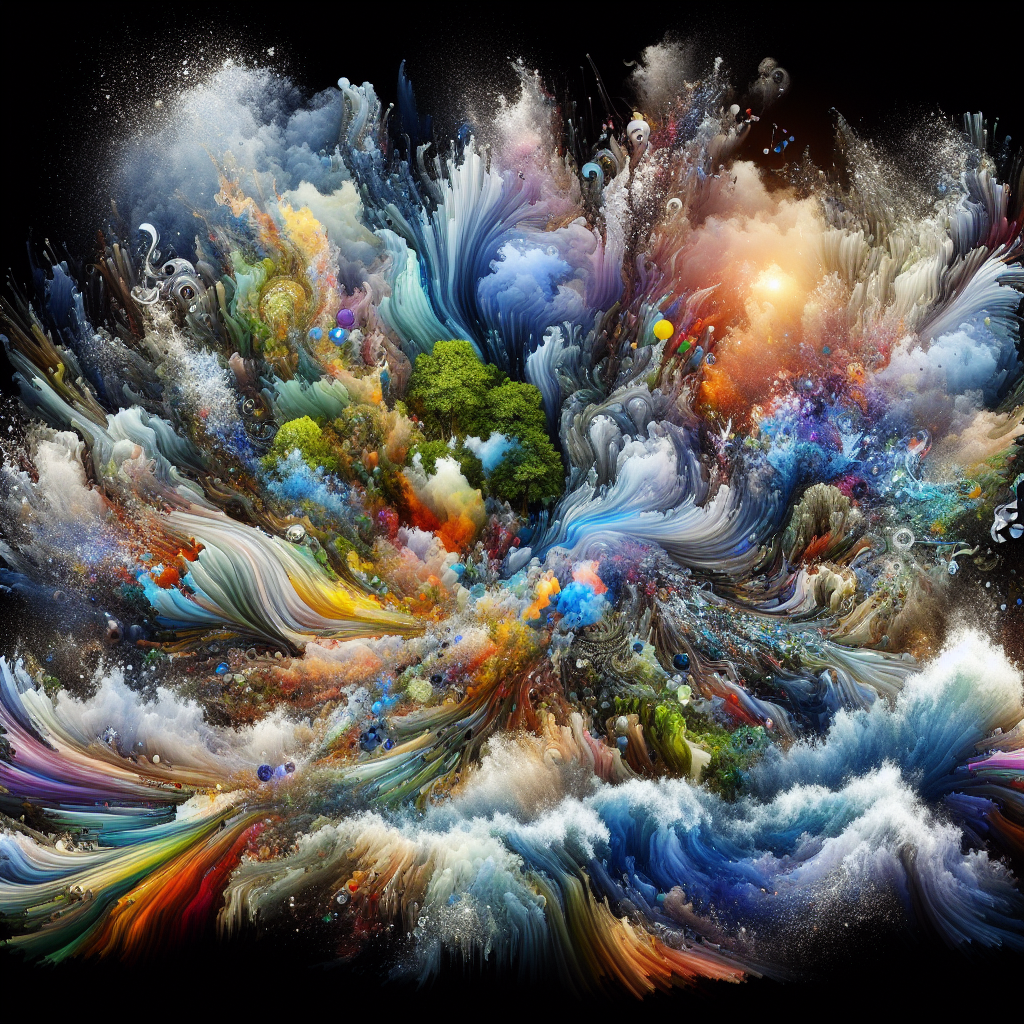
The Power of Nature-Inspired Art: Creativity, Conservation, and Emotional Expression
Introduction
Nature has been an enduring source of inspiration for artists throughout history. From the intricate patterns of leaves to the grandeur of mountain landscapes, the natural world offers a vast palette of colors, shapes, and textures that fuel creativity. Nature-inspired art is not only a testament to the beauty of our environment but also serves as a powerful tool for conservation and emotional expression. This article explores the multifaceted relationship between art and nature, examining how artists harness this connection to create impactful works that resonate with audiences on multiple levels.
The Intersection of Art and Nature
Art and nature have always been intertwined. Artists have long turned to the natural world for inspiration, finding in it a rich source of ideas and materials. This relationship is evident in various art movements, from the romantic landscapes of the 19th century to the abstract interpretations of the 20th century. The natural world provides artists with a framework to explore themes of beauty, decay, and renewal, offering a mirror through which humanity can examine its own existence.
Artistic Techniques Inspired by Nature
Nature-inspired art encompasses a broad range of techniques and styles. Some artists focus on realism, capturing the intricate details of flora and fauna with precision. Others adopt a more abstract approach, using natural forms as a starting point for exploring color, texture, and composition. Techniques such as botanical illustration, landscape painting, and eco-art highlight the diversity of ways artists engage with nature.
– Botanical Illustration: This technique involves detailed and scientifically accurate depictions of plants. It combines art and science, serving both aesthetic and educational purposes.
– Landscape Painting: Artists capture the essence of natural environments, often emphasizing the interplay of light and shadow. This style can evoke a sense of place and time, transporting viewers to distant locales.
– Eco-Art: This contemporary movement focuses on environmental themes, using art to raise awareness about ecological issues. Artists may incorporate natural materials or create installations that interact with the environment.
Nature as a Catalyst for Creativity
The natural world offers endless possibilities for creative exploration. Its inherent diversity and complexity challenge artists to push the boundaries of their imagination. By observing nature, artists can discover new patterns, forms, and colors that inspire innovative approaches to art-making. This process of exploration and discovery is integral to the creative journey, encouraging artists to experiment and take risks.
The Role of Nature in Artistic Innovation
Nature has played a crucial role in some of the most significant artistic innovations. The Impressionists, for example, revolutionized painting by capturing the fleeting effects of light on natural scenes. Their focus on outdoor landscapes and natural lighting conditions marked a departure from traditional studio-based practices. Similarly, the Land Art movement of the 1960s and 1970s saw artists creating large-scale works directly in the landscape, challenging conventional notions of art and its relationship to the environment.
Nature-Inspired Art as a Tool for Conservation
Beyond its aesthetic value, nature-inspired art serves as a powerful tool for conservation. By highlighting the beauty and fragility of the natural world, artists can raise awareness about environmental issues and inspire action. Art has the unique ability to convey complex ideas and emotions, making it an effective medium for communicating the urgency of conservation efforts.
Art as an Advocate for the Environment
Artists have long used their work to advocate for environmental causes. Through their art, they can draw attention to issues such as habitat destruction, climate change, and biodiversity loss. By engaging audiences emotionally, art can inspire a sense of stewardship and responsibility toward the natural world.
– Raising Awareness: Art can highlight environmental issues that may be overlooked or ignored. Through visual storytelling, artists can bring attention to critical topics and encourage public discourse.
– Inspiring Action: By evoking an emotional response, art can motivate individuals to take action. Whether through direct conservation efforts or supporting environmental organizations, art can inspire meaningful change.
Collaborations Between Artists and Environmentalists
Collaborations between artists and environmentalists have led to innovative projects that combine artistic expression with conservation goals. These partnerships often involve interdisciplinary approaches, bringing together diverse perspectives to address complex environmental challenges. By working together, artists and environmentalists can create impactful projects that resonate with audiences and drive positive change.
Emotional Expression Through Nature-Inspired Art
Nature-inspired art is not only a reflection of the external world but also an expression of the artist’s internal landscape. The natural world provides a rich vocabulary for artists to convey emotions, from the tranquility of a serene landscape to the chaos of a stormy sea. Through their work, artists can explore themes of identity, memory, and emotion, using nature as a metaphor for the human experience.
The Therapeutic Power of Nature-Inspired Art
Engaging with nature-inspired art can have therapeutic benefits for both artists and viewers. The process of creating art can be a form of meditation, allowing artists to connect with their inner selves and find solace in the act of creation. For viewers, experiencing nature-inspired art can evoke feelings of calm and relaxation, providing a respite from the stresses of everyday life.
– Mindfulness and Reflection: Creating art inspired by nature encourages mindfulness and reflection. Artists can immerse themselves in the present moment, fostering a sense of peace and clarity.
– Emotional Release: Art provides a safe space for emotional expression. By channeling their emotions into their work, artists can process complex feelings and experiences.
Conclusion
Nature-inspired art is a powerful testament to the enduring connection between humanity and the natural world. Through their work, artists can celebrate the beauty of nature, advocate for its preservation, and explore the depths of human emotion. As we face unprecedented environmental challenges, the role of art in fostering a deeper understanding and appreciation of nature becomes increasingly important. By continuing to draw inspiration from the natural world, artists can inspire positive change and contribute to a more sustainable future.
