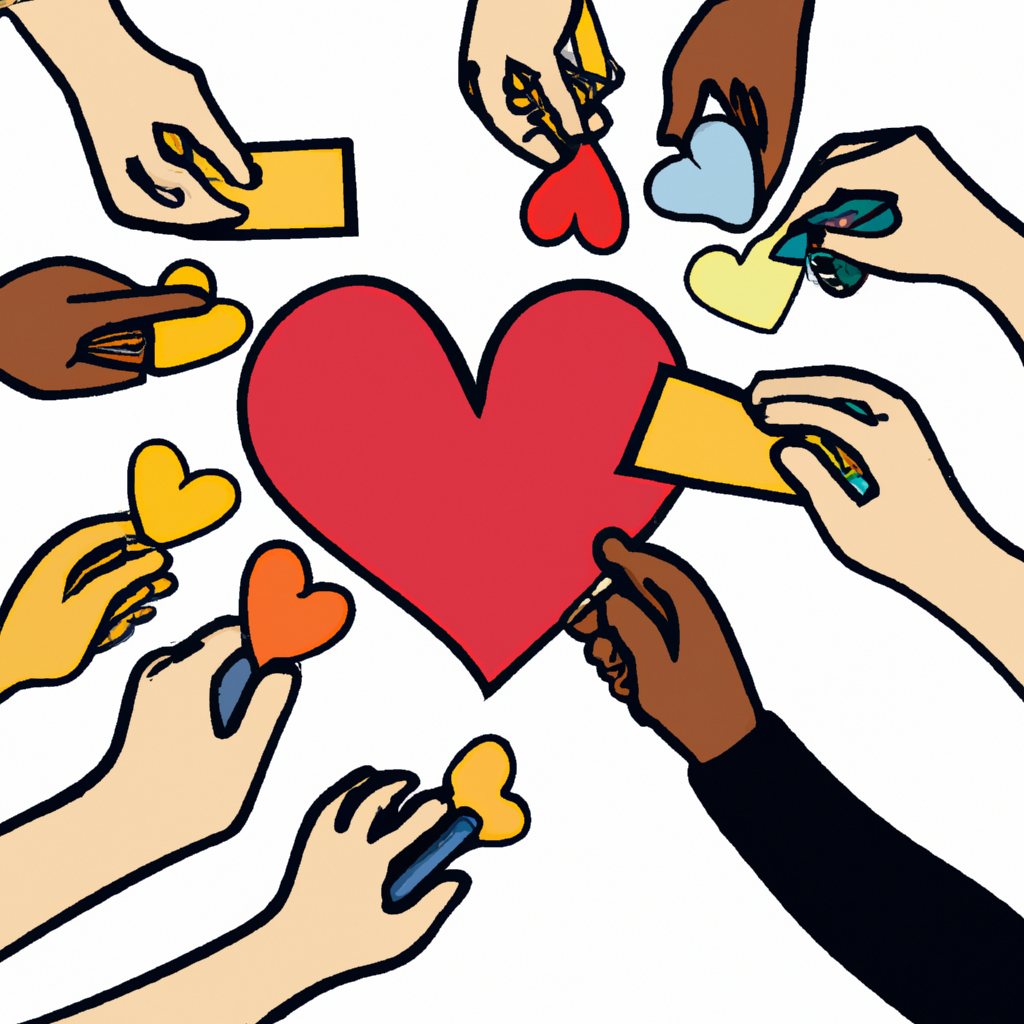
In society today, it is more important than ever to remember the power of small acts of kindness. These seemingly insignificant actions can have a profound effect on the lives of others and greatly contribute to spreading positivity and goodwill. Too often, people underestimate the influence of a smile, a kind word, or a moment of understanding. Yet these simple acts, when rendered with sincerity, can encourage empathy, promote understanding, and remind others that they are valued and appreciated.
**Recognizing the Value of Kindness**
Kindness, in its essence, affirms and acknowledges the worth of another human being. It tells the recipient, “You matter. You are not invisible. Your presence in this world makes a difference.” A single act of kindness can be the candle that lights up someone’s darkest hour or the spring rain that nurtures a parched soul. Indeed, the power of kindness is immense.
Yet, why does such a simple concept often seem so profound and even elusive at times? Perhaps it is because acts of kindness often unfurl in silence and are frequently unnoticed or undervalued. They may not always echo loud in booming thunder, but their effects can ripple outward and inspire a chain reaction of positivity and compassion.
When understanding the potential for a small act of kindness, consider the following perspectives:
**The Recipient’s Perspective**
Consider the person who is on the receiving end of an act of kindness. Perhaps this individual is facing a challenging time, feeling isolated, lonely, or overwhelmed. Maybe they are bereft of hope or harboring feelings of unworthiness. Now, imagine the impact of a stranger’s warm smile or a colleague’s unexpected assistance. The impact is potentially tremendous.
Kindness can engender a multitude of positive emotions, such as:
– Contentment
– Acceptance
– Gratitude
– Hope
These emotions can provide respite, offering the recipient a renewed perspective and sense of relief. Importantly, kindness paves the way for the recipient to pay it forward, continuing the ripple effect of goodwill.
**The Kindness Giver’s Perspective**
Now, let’s focus on the person rendering the act of kindness. The action may seem inconsequential to them, like buying a coffee for the person behind them, or giving up their seat on the bus. But these small gestures have the power to boost happiness, reduce stress, and promote social connection.
The effects of being kind include:
– Elevation of mood
– Enhancement of self-esteem
– Reduction of stress
– Development of empathy
These benefits not only make the kindness giver feel good about themselves, but they also foster a more compassionate and harmonious environment.
**Broad Societal Benefits**
When acts of kindness become infectious, society as a whole stands to benefit. Schools, workplaces, communities, and even online spaces can become more friendly and supportive, promoting wellbeing and productivity.
The potential societal benefits include:
– Greater community cohesion
– Reduction in social isolation
– Enhanced societal wellbeing
– Development of a more empathetic culture
Thus, it’s evident that kindness, irrespective of its scale, can have a transformative impact on both individuals and society as a whole.
**Cultivating A Culture Of Kindness**
Kindness is not innate; it is learned. Emphasizing the power of kindness begins at an individual level and gradually spreads outward, subtly influencing and shifting societal norms. Here are four steps to cultivating a culture of kindness:
1. **Promote Empathy**: Teaching empathy helps people understand the emotions and experiences of others, enabling them to respond more compassionately.
2. **Model Kindness**: Act as a role model by demonstrating kindness in action. Remember, actions speak louder than words.
3. **Recognize Acts of Kindness**: Encourage and acknowledge acts of kindness, no matter how small, to reinforce its value and influence.
4. **Encourage Self-Compassion**: Remember that kindness starts from within. Teach the importance of self-care and self-compassion, which provide the emotional resources to be kind to others.
In conclusion, the power of small acts of kindness should never be underestimated. Such actions can act as a beacon of hope during challenging times, an affirmation of worthiness, or a transformative force in someone’s life. Their ripple effect can foster a more compassionate and empathetic society. By valuing and promoting kindness, we can create a world where everyone feels seen, heard, and appreciated. Remember, every act of kindness, however small, is never wasted.
