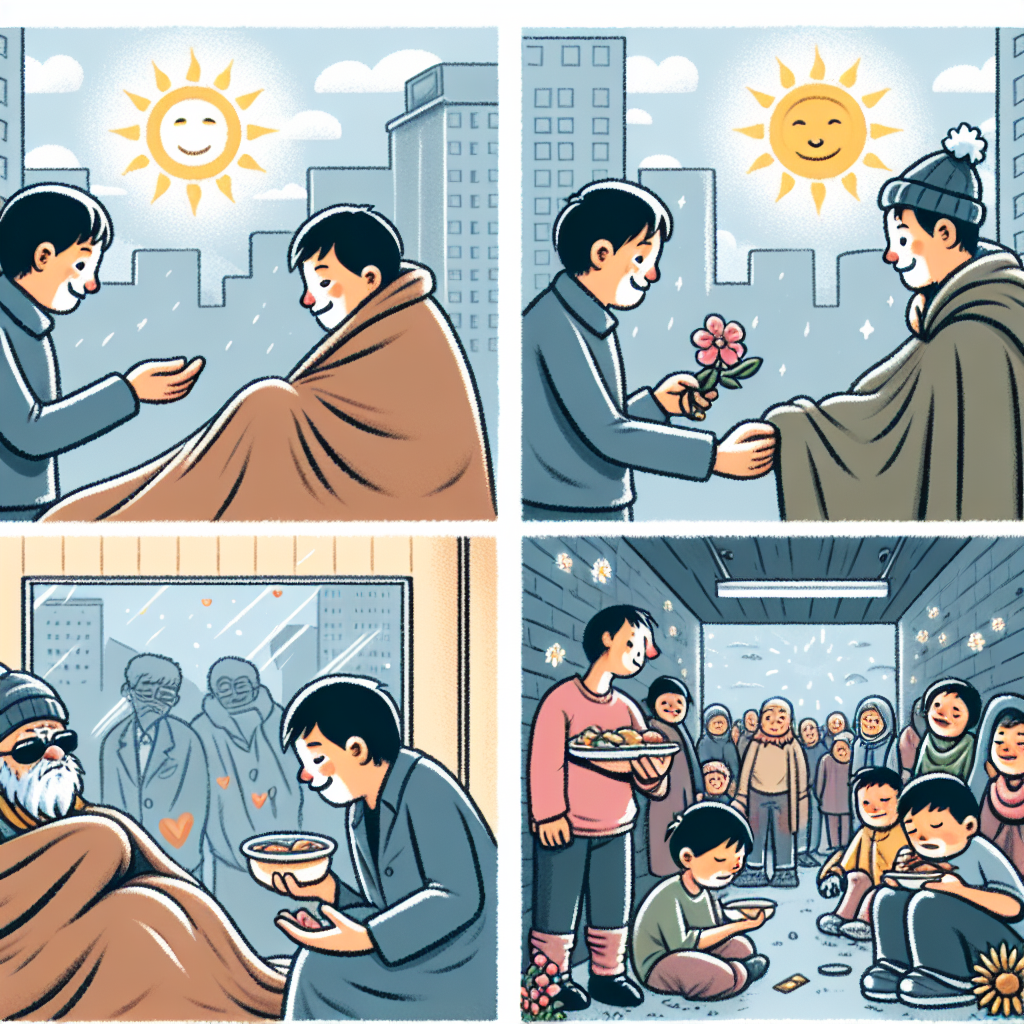
The Power of Acts of Kindness: How Small Gestures Make a Big Difference
In a world that often seems dominated by negativity, stress, and conflict, the importance of kindness cannot be overstated. Acts of kindness, whether grand or seemingly insignificant, have the power to transform lives, uplift spirits, and foster a sense of community. This article explores the profound impact that small gestures of kindness can have on individuals and society as a whole. By delving into the psychological, social, and even economic benefits of kindness, we aim to illustrate why these simple acts are more than just fleeting moments of goodwill; they are the building blocks of a better world.
The Psychological Benefits of Kindness
Boosts Mental Health
One of the most immediate and noticeable effects of kindness is its impact on mental health. Engaging in kind acts can significantly improve one’s emotional well-being. Research has shown that performing acts of kindness releases endorphins, the brain’s natural painkillers, and serotonin, the neurotransmitter responsible for feelings of happiness and well-being.
Reduces Stress
Kindness also has a soothing effect on stress levels. When we perform kind acts, our bodies produce oxytocin, often referred to as the “love hormone.” Oxytocin helps to lower blood pressure and reduce levels of cortisol, the stress hormone. This biochemical reaction creates a calming effect, making us feel more relaxed and less anxious.
Increases Longevity
Interestingly, kindness can even contribute to a longer life. Studies have found that people who engage in regular acts of kindness have lower rates of mortality. This could be due to the combination of reduced stress, improved mental health, and stronger social connections that come from being kind.
The Social Impact of Kindness
Strengthens Relationships
Kindness is a powerful tool for building and strengthening relationships. Small acts of kindness, such as complimenting a colleague or helping a neighbor with groceries, can create a ripple effect of goodwill. These gestures foster trust and mutual respect, laying the groundwork for more meaningful and lasting connections.
Creates a Sense of Community
In a world where social isolation is becoming increasingly common, acts of kindness can help to create a sense of community. When people engage in kind behaviors, they contribute to a culture of caring and support. This sense of community can be particularly important in times of crisis, providing a network of support that can help individuals and communities to recover and thrive.
Promotes Altruism
Kindness is contagious. When people witness acts of kindness, they are more likely to perform kind acts themselves. This creates a positive feedback loop that can spread through communities, fostering a culture of altruism. Over time, this can lead to a more compassionate and empathetic society.
The Economic Benefits of Kindness
Improves Workplace Productivity
Kindness is not just beneficial on a personal level; it can also have significant economic benefits. In the workplace, a culture of kindness can lead to increased productivity. Employees who feel valued and supported are more likely to be engaged and motivated. This can result in higher levels of job satisfaction, lower turnover rates, and ultimately, a more successful organization.
Encourages Consumer Loyalty
Kindness can also be a powerful tool for businesses looking to build customer loyalty. Companies that prioritize kindness and customer service often see higher levels of customer satisfaction and repeat business. In a competitive market, these small acts of kindness can set a business apart and contribute to long-term success.
Reduces Healthcare Costs
The health benefits of kindness can also translate into economic savings. By reducing stress and improving mental health, acts of kindness can lead to lower healthcare costs. Fewer doctor visits, reduced need for medication, and improved overall health can result in significant savings for individuals and healthcare systems alike.
How to Incorporate Kindness into Daily Life
Simple Acts of Kindness
Incorporating kindness into daily life does not require grand gestures or significant time commitments. Small, simple acts can have a profound impact. Here are some easy ways to practice kindness:
– Smile at strangers
– Hold the door open for someone
– Compliment a colleague
– Offer to help a neighbor
– Send a thank-you note
Mindful Kindness
Being mindful of opportunities to be kind can also make a big difference. This involves actively looking for ways to help others and being aware of the impact of our actions. Mindful kindness can be as simple as listening attentively to someone who needs to talk or offering a word of encouragement to someone who is struggling.
Organized Kindness
For those looking to make a more significant impact, organized acts of kindness can be a great option. This might involve volunteering with a local charity, organizing a community clean-up, or participating in a kindness challenge. These organized efforts can amplify the impact of individual acts and help to create a larger culture of kindness.
The Ripple Effect of Kindness
One of the most remarkable aspects of kindness is its ripple effect. A single act of kindness can set off a chain reaction, touching the lives of countless people. For example, a simple act of kindness towards a stranger can inspire that person to perform a kind act for someone else, and so on. This ripple effect can spread far and wide, creating a wave of positivity that can transform communities and even entire societies.
The Science Behind the Ripple Effect
The ripple effect of kindness is not just a feel-good concept; it is backed by science. Studies have shown that witnessing acts of kindness can trigger the release of oxytocin, the same hormone that is released when we perform kind acts. This means that even observing kindness can make us feel happier and more connected to others, increasing the likelihood that we will perform kind acts ourselves.
Real-Life Examples of the Ripple Effect
There are countless real-life examples of the ripple effect of kindness. One well-known example is the “pay it forward” movement, where individuals perform random acts of kindness for strangers with the hope that the recipients will “pay it forward” by doing something kind for someone else. This movement has inspired countless acts of kindness around the world, demonstrating the powerful ripple effect that a single act of kindness can have.
The Role of Kindness in Overcoming Challenges
Kindness in Times of Crisis
In times of crisis, acts of kindness can be particularly powerful. Whether it is a natural disaster, a global pandemic, or a personal tragedy, kindness can provide comfort and support. Acts of kindness can help to alleviate suffering, build resilience, and foster a sense of hope and solidarity.
Kindness as a Tool for Social Change
Kindness can also be a powerful tool for social change. By promoting a culture of kindness, we can challenge social norms and address systemic issues such as inequality, discrimination, and injustice. Acts of kindness can help to break down barriers, build bridges, and create a more inclusive and compassionate society.
The Future of Kindness
The potential for kindness to create positive change is immense. As we look to the future, it is important to recognize the power of kindness and to actively promote it in our daily lives. By prioritizing kindness, we can create a more compassionate and connected world, one small act at a time.
The Role of Education in Promoting Kindness
Teaching Kindness in Schools
One of the most effective ways to promote kindness is through education. By teaching kindness in schools, we can instill the values of empathy, compassion, and altruism in the next generation. Programs that incorporate kindness into the curriculum can help to create a culture of kindness that extends beyond the classroom and into the wider community.
The Impact of Kindness Education
Research has shown that kindness education can have a significant impact on students’ well-being and academic performance. Students who participate in kindness programs often report higher levels of happiness, lower levels of stress, and improved social relationships. Additionally, these programs can help to reduce bullying and create a more positive and inclusive school environment.
Conclusion
In a world that often seems divided and disconnected, acts of kindness have the power to bring us together and create positive change. Whether it is a simple smile, a helping hand, or a more organized effort, every act of kindness contributes to a ripple effect that can transform lives and communities. By recognizing the profound impact of kindness and actively incorporating it into our daily lives, we can create a more compassionate, connected, and thriving world. The power of kindness is immense, and it is within each of us to harness that power and make a difference.
