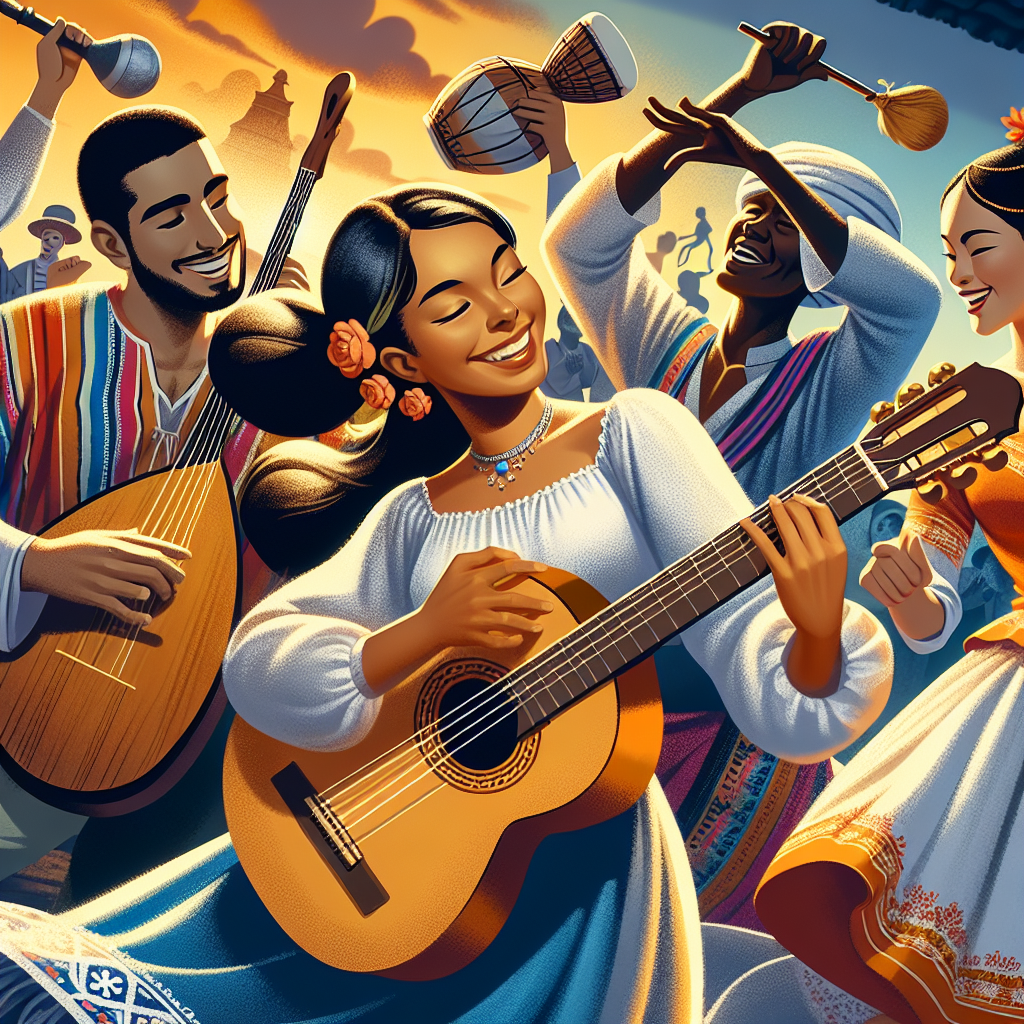
The Joy of Cultural Exchange Through Traditional Music and Dance
Introduction
In an increasingly interconnected world, cultural exchange has become a vital component of fostering understanding and appreciation among different societies. Traditional music and dance serve as powerful mediums for this exchange, offering a window into the soul of a culture. They provide not only entertainment but also a deeper understanding of the values, beliefs, and histories that shape a community. This article delves into the significance of cultural exchange through traditional music and dance, exploring their roles in preserving heritage, promoting unity, and enriching global diversity.
Understanding Cultural Exchange
Cultural exchange refers to the process through which individuals or groups from different backgrounds share their cultural practices, ideas, and traditions. This exchange can occur through various means, such as travel, education, international events, and digital platforms. The main goal is to foster mutual respect and understanding, breaking down stereotypes and prejudices that may exist between different cultures.
The Role of Traditional Music in Cultural Exchange
Traditional music is an integral part of cultural heritage, reflecting the history and identity of a community. It encompasses a wide range of styles and instruments, each with its own unique story. Through traditional music, cultural exchange can achieve the following:
– **Preservation of Heritage**: Traditional music acts as a vessel for preserving cultural narratives and oral histories. It ensures that the stories, values, and experiences of past generations are passed down to future ones, maintaining a sense of identity and continuity.
– **Promotion of Unity**: Music has the power to transcend language barriers, uniting people from diverse backgrounds. Traditional music performances often bring communities together, fostering a sense of belonging and shared experience.
– **Enrichment of Global Diversity**: By sharing traditional music with the world, cultures contribute to the rich tapestry of global music. This exchange encourages the blending of musical styles, leading to the creation of new and innovative sounds.
The Role of Traditional Dance in Cultural Exchange
Dance is another powerful form of cultural expression that plays a crucial role in cultural exchange. Through movement, rhythm, and storytelling, traditional dance communicates emotions and narratives that resonate across cultural boundaries. The impact of traditional dance in cultural exchange includes:
– **Expression of Cultural Identity**: Traditional dance embodies the values, beliefs, and customs of a culture. Through dance, individuals can express their cultural identity and share it with others, fostering a deeper understanding of their way of life.
– **Building Bridges Between Cultures**: Dance often involves collaboration and interaction, making it an effective tool for building bridges between cultures. Cultural exchange programs that include dance workshops and performances promote dialogue and cooperation among participants.
– **Enhancement of Cultural Appreciation**: Exposure to traditional dance allows individuals to appreciate the artistry and skill involved in these performances. It highlights the diversity of cultural expressions and encourages respect for different artistic traditions.
Case Studies of Cultural Exchange Through Music and Dance
1. **The Silk Road Project**
The Silk Road Project, founded by renowned cellist Yo-Yo Ma, is a prime example of cultural exchange through music. This initiative brings together musicians from countries along the ancient Silk Road trade routes, fostering collaboration and creativity. By blending traditional music from various cultures, the project creates a unique musical experience that celebrates diversity and promotes mutual understanding.
2. **International Folk Dance Festivals**
International folk dance festivals provide a platform for cultural exchange, bringing together dancers from around the world to showcase their traditional dances. These festivals encourage participants to learn from one another, share techniques, and appreciate the cultural significance of each dance form. Such events highlight the universal language of dance and its ability to connect people across borders.
3. **UNESCO’s Intangible Cultural Heritage Lists**
UNESCO’s Intangible Cultural Heritage Lists play a crucial role in promoting cultural exchange through traditional music and dance. By recognizing and safeguarding these cultural practices, UNESCO encourages countries to share their heritage with the world. This initiative not only raises awareness about the importance of preserving cultural traditions but also fosters appreciation for the diversity of human expression.
Challenges and Opportunities in Cultural Exchange
While cultural exchange through traditional music and dance offers numerous benefits, it also presents certain challenges. Addressing these challenges is essential to ensuring successful and meaningful exchanges:
– **Cultural Appropriation**: The line between cultural appreciation and appropriation can be thin. It is crucial to engage in cultural exchange with respect and sensitivity, ensuring that traditional practices are represented authentically and credited appropriately.
– **Language and Communication Barriers**: Language differences can pose challenges in understanding and appreciating traditional music and dance. However, these barriers can be overcome through translation, interpretation, and non-verbal communication.
– **Preservation vs. Innovation**: Balancing the preservation of traditional practices with the desire for innovation can be challenging. Cultural exchange should aim to respect and preserve traditional forms while also encouraging creativity and adaptation.
Despite these challenges, cultural exchange through traditional music and dance presents numerous opportunities:
– **Cross-Cultural Collaborations**: Collaborations between artists from different cultures can lead to the creation of new and exciting musical and dance forms. These collaborations encourage experimentation and innovation, enriching the global cultural landscape.
– **Educational Opportunities**: Cultural exchange programs provide valuable educational opportunities for participants. By learning about different musical and dance traditions, individuals gain a deeper understanding of the world and develop a more inclusive worldview.
– **Promotion of Peace and Understanding**: Cultural exchange fosters dialogue and understanding, promoting peace and cooperation among nations. By celebrating cultural diversity, traditional music and dance contribute to a more harmonious and interconnected world.
Conclusion
The joy of cultural exchange through traditional music and dance lies in its ability to connect people across cultural boundaries. These art forms serve as powerful tools for preserving heritage, promoting unity, and enriching global diversity. By embracing cultural exchange, individuals and communities can foster mutual respect and understanding, creating a more inclusive and harmonious world. As we continue to celebrate and share traditional music and dance, we pave the way for a future where cultural diversity is cherished and valued.
