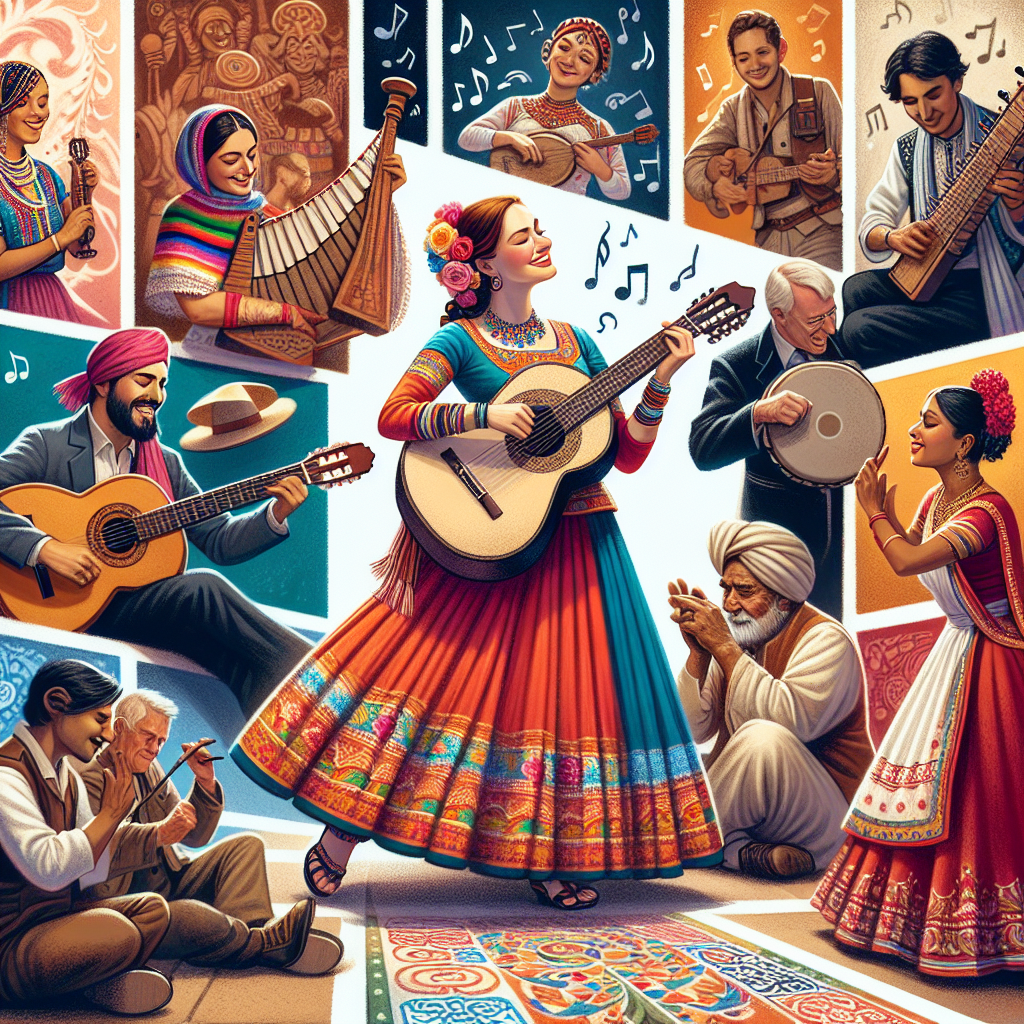
The Joy of Cultural Exchange Through Traditional Music and Dance
Introduction
In an increasingly globalized world, the exchange of cultural practices has become a significant means of fostering understanding and appreciation among diverse communities. Among the most vivid and engaging forms of cultural exchange are traditional music and dance. These art forms serve not only as entertainment but also as vital expressions of cultural identity and heritage. Through traditional music and dance, people can share their stories, values, and histories, creating a bridge between different cultures. This article explores the joy and significance of cultural exchange through traditional music and dance, highlighting its role in promoting global harmony and understanding.
The Universal Language of Music and Dance
Music and dance are often referred to as universal languages. They transcend linguistic barriers, allowing people from different backgrounds to communicate and connect on an emotional level. The melodies, rhythms, and movements inherent in traditional music and dance convey emotions and narratives that words alone cannot express. This universality makes them powerful tools for cultural exchange.
– Music and dance evoke emotional responses, creating a shared experience.
– They offer insights into cultural values and traditions.
– Traditional music and dance can foster empathy and understanding.
Cultural Identity and Heritage
Traditional music and dance are deeply rooted in the cultural identity and heritage of a community. They reflect the history, beliefs, and customs of a people, serving as a repository of collective memory. By engaging in cultural exchange through these art forms, individuals can gain a deeper appreciation for the diversity and richness of human experiences.
– Traditional music often incorporates historical narratives and folklore.
– Dance movements can symbolize cultural stories and rituals.
– Participating in traditional music and dance can strengthen cultural pride and awareness.
Fostering Global Understanding
In a world where cultural misunderstandings can lead to conflict, traditional music and dance offer a peaceful means of fostering global understanding. By engaging with these art forms, individuals can learn about the challenges and triumphs of other cultures, promoting empathy and reducing prejudices.
– Cultural exchange through music and dance encourages open-mindedness.
– It challenges stereotypes and dispels myths about other cultures.
– Exposure to diverse cultural expressions can lead to greater tolerance and respect.
The Role of Festivals and Events
Cultural festivals and events play a crucial role in facilitating the exchange of traditional music and dance. These gatherings provide a platform for artists to showcase their cultural heritage and for audiences to experience and appreciate the diversity of the world’s cultural expressions.
– Festivals often feature performances by artists from various cultural backgrounds.
– They provide opportunities for intercultural dialogue and collaboration.
– Such events can inspire individuals to learn more about other cultures.
The Educational Aspect of Cultural Exchange
Engaging with traditional music and dance can also have significant educational benefits. Schools and educational institutions that incorporate cultural exchange programs into their curricula can foster a more inclusive and well-rounded learning environment.
– Students can learn about history, geography, and social studies through music and dance.
– Cultural exchange programs can enhance language skills and communication.
– Exposure to diverse cultural practices can promote creativity and critical thinking.
Challenges and Opportunities
While the exchange of traditional music and dance offers numerous benefits, it is not without challenges. Issues such as cultural appropriation, commercialization, and the loss of authenticity can arise when traditional art forms are shared across cultures. However, these challenges also present opportunities for dialogue and growth.
– Cultural appropriation can be addressed through respectful and informed exchange.
– Artists can collaborate to create innovative fusion works that honor their roots.
– Efforts to preserve and document traditional music and dance can ensure their longevity.
Conclusion
The joy of cultural exchange through traditional music and dance lies in its ability to bring people together, transcending boundaries and fostering mutual understanding. These art forms serve as vibrant expressions of cultural identity and heritage, offering insights into the diverse tapestry of human experiences. By embracing the universal language of music and dance, individuals can celebrate the richness of global cultures and contribute to a more harmonious world. As we continue to engage in cultural exchange, let us do so with respect, openness, and a commitment to preserving the authenticity and integrity of traditional art forms.
