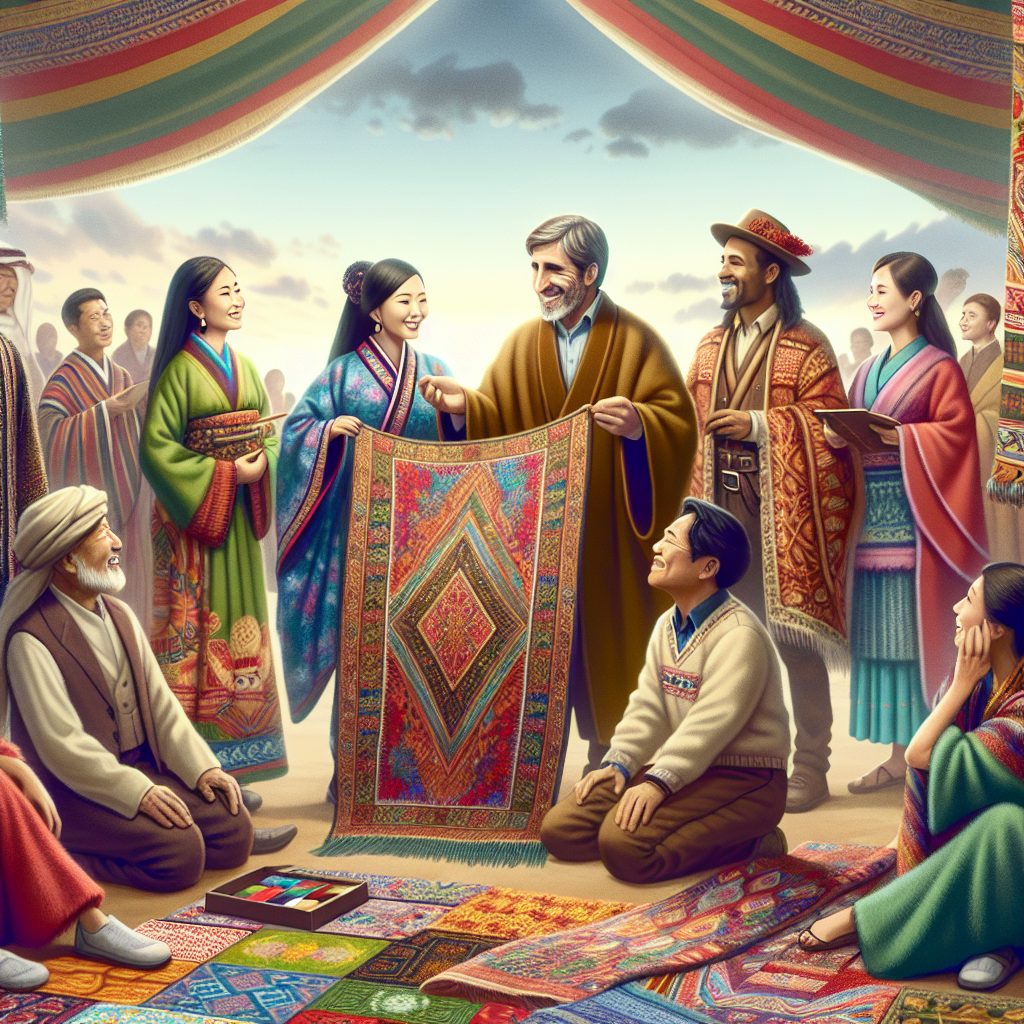
The Joy of Cultural Exchange Through Traditional Clothing and Textiles
Introduction
In a world that is increasingly interconnected, the exchange of cultural values and traditions has become more prevalent than ever before. Among the various elements that define a culture, traditional clothing and textiles hold a unique position. They are not merely garments or pieces of fabric; they are rich tapestries of history, identity, and artistry. This article explores the joy of cultural exchange through traditional clothing and textiles, examining how these elements foster understanding, appreciation, and unity among diverse communities.
The Historical Significance of Traditional Clothing
Traditional clothing is often a reflection of a community’s history and identity. These garments tell stories of the past, encapsulating the values, beliefs, and experiences of those who wore them. From the intricate kimonos of Japan to the vibrant saris of India, each piece of traditional clothing offers a glimpse into the cultural and historical narrative of its origin.
– **Symbolism and Meaning**: Traditional clothing is imbued with symbolism. Colors, patterns, and materials are often chosen for their cultural significance, representing concepts such as fertility, prosperity, or spiritual beliefs.
– **Cultural Identity**: Wearing traditional clothing is a way for individuals to express their cultural identity and pride. It serves as a visual representation of one’s heritage and a connection to ancestors and traditions.
– **Rituals and Ceremonies**: Many traditional garments are worn during significant life events and ceremonies, such as weddings, festivals, and religious rituals. These occasions highlight the importance of clothing in cultural practices and social cohesion.
The Artistry of Traditional Textiles
Traditional textiles are not only functional but also artistic expressions of cultural heritage. The techniques and skills involved in creating these textiles have been passed down through generations, preserving the artistry and craftsmanship of ancient cultures.
– **Weaving and Embroidery**: Techniques such as weaving and embroidery are integral to traditional textile production. These methods require precision and skill, resulting in intricate designs that are both beautiful and meaningful.
– **Natural Dyes and Materials**: Many traditional textiles are made using natural dyes and materials, which are sourced from the surrounding environment. This practice not only reflects a sustainable approach to textile production but also connects the fabric to the land and its resources.
– **Cultural Innovation**: While traditional textiles are rooted in history, they also evolve over time. Artisans often incorporate contemporary elements into their designs, creating a dynamic fusion of old and new.
The Role of Traditional Clothing in Cultural Exchange
Traditional clothing and textiles play a significant role in cultural exchange, serving as a bridge between different communities. They offer opportunities for learning, appreciation, and mutual respect, fostering a sense of global interconnectedness.
– **Educational Opportunities**: Exhibitions, workshops, and fashion shows featuring traditional clothing provide educational opportunities for people to learn about different cultures. These events encourage dialogue and understanding, breaking down stereotypes and misconceptions.
– **Cultural Diplomacy**: Traditional clothing can be a powerful tool for cultural diplomacy. By showcasing their traditional attire, countries can promote their cultural heritage on the global stage, fostering goodwill and collaboration.
– **Tourism and Economic Impact**: Cultural exchange through traditional clothing can boost tourism and support local economies. Visitors are often drawn to destinations where they can experience and purchase authentic traditional garments and textiles.
Challenges and Considerations
While cultural exchange through traditional clothing offers many benefits, it also presents challenges and considerations that must be addressed to ensure respectful and meaningful interactions.
– **Cultural Appropriation**: One of the most significant challenges is cultural appropriation, where elements of a culture are used without permission or understanding. This can lead to misunderstandings and perpetuate stereotypes.
– **Preservation of Heritage**: As traditional clothing and textiles gain popularity, there is a risk of commodification and loss of authenticity. Efforts must be made to preserve the integrity of these cultural expressions and support the artisans who create them.
– **Ethical Production**: Ensuring ethical production practices is crucial in the exchange of traditional clothing and textiles. This includes fair wages, sustainable materials, and respect for cultural traditions.
Case Studies of Cultural Exchange Through Traditional Clothing
To illustrate the impact of cultural exchange through traditional clothing, we can examine several case studies that highlight successful and meaningful interactions.
– **The Global Appeal of the Kimono**: The kimono, a traditional Japanese garment, has gained international recognition and appreciation. Collaborations between Japanese designers and international fashion houses have introduced the kimono to new audiences while respecting its cultural significance.
– **African Wax Prints and Global Fashion**: African wax prints, known for their vibrant colors and patterns, have become popular in global fashion. Designers from around the world have incorporated these textiles into their collections, celebrating African artistry and innovation.
– **The Revival of Indigenous Textiles in Latin America**: Indigenous communities in Latin America are experiencing a revival of traditional textiles, with a focus on preserving ancient techniques and promoting cultural pride. These efforts have led to increased visibility and appreciation of indigenous cultures on a global scale.
The Future of Cultural Exchange Through Traditional Clothing
As we look to the future, the exchange of traditional clothing and textiles will continue to evolve, driven by technological advancements and a growing interest in cultural diversity.
– **Digital Platforms and Virtual Exhibitions**: Digital platforms and virtual exhibitions offer new opportunities for cultural exchange, allowing people to explore traditional clothing and textiles from the comfort of their homes. These platforms can reach wider audiences and facilitate cross-cultural interactions.
– **Sustainable Fashion Movement**: The sustainable fashion movement aligns with the principles of traditional textile production, emphasizing the use of natural materials and ethical practices. This movement presents opportunities for collaboration and innovation in the preservation of traditional clothing.
– **Empowering Artisans and Communities**: Supporting artisans and communities involved in the production of traditional clothing is essential for sustaining cultural exchange. Empowerment initiatives that provide education, resources, and market access can help preserve cultural heritage and promote economic development.
Conclusion
The joy of cultural exchange through traditional clothing and textiles lies in the richness and diversity of human expression. These garments and fabrics are not merely aesthetic objects; they are carriers of history, identity, and artistry. By embracing and celebrating traditional clothing, we can foster understanding, appreciation, and unity among diverse communities. As we navigate the complexities of cultural exchange, it is essential to approach these interactions with respect, curiosity, and a commitment to preserving the integrity of cultural heritage. In doing so, we can create a more interconnected and harmonious world, where the beauty of traditional clothing transcends borders and enriches our shared human experience.
