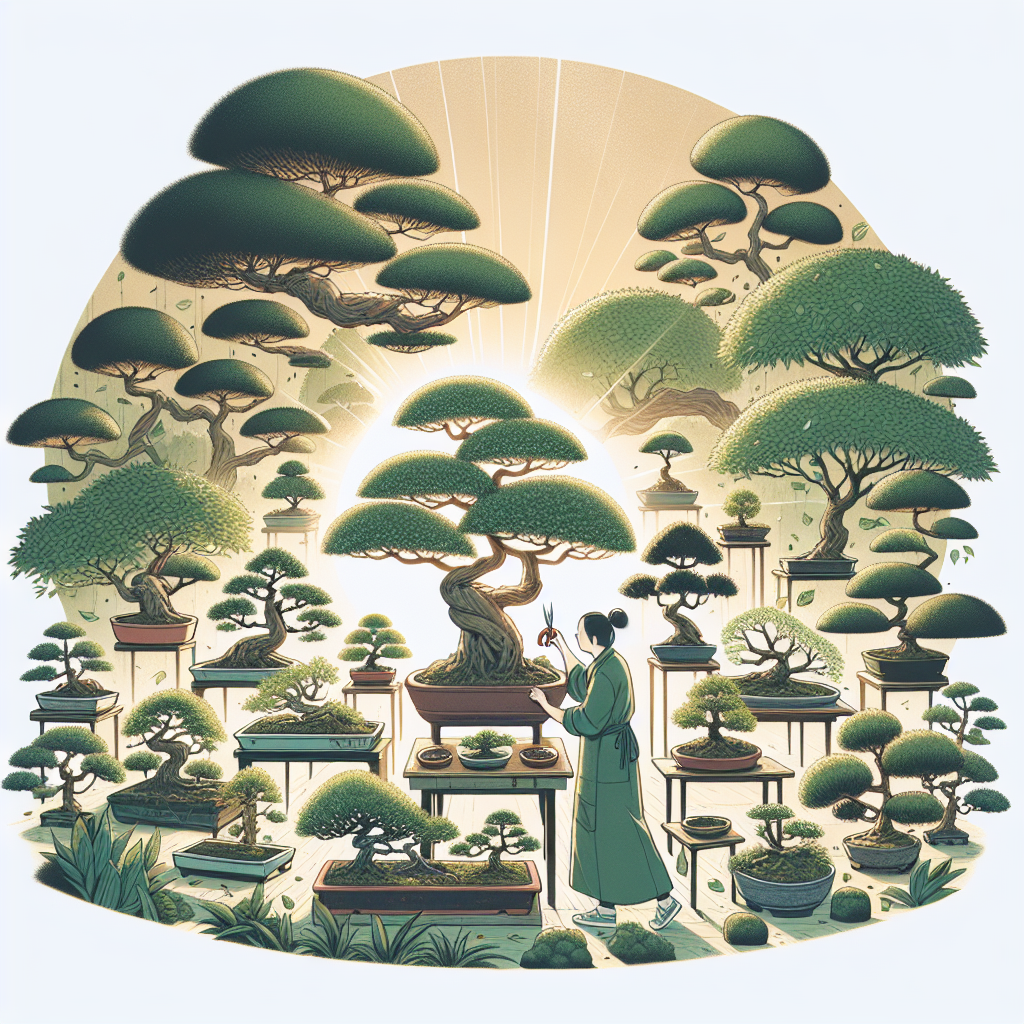
The Art and Joy of Collecting and Cultivating Bonsai Trees
Introduction
In a world that often seems to be moving at an ever-increasing pace, many individuals are seeking out hobbies that allow them to slow down, focus, and connect with nature. One such hobby that has captivated people for centuries is the collection and cultivation of bonsai trees. These miniature trees, with their intricate designs and meticulous care requirements, offer enthusiasts a unique blend of art, science, and meditation. This article delves into the history, techniques, and joys associated with bonsai cultivation, providing a comprehensive guide for both beginners and seasoned enthusiasts.
The Historical Roots of Bonsai
Bonsai, the art of growing miniature trees in containers, has its origins in ancient China, where it was known as “penjing.” This practice dates back over a thousand years and was later refined and popularized in Japan. The term “bonsai” itself is derived from the Japanese words “bon,” meaning tray or pot, and “sai,” meaning plant. The art form was traditionally associated with Zen Buddhism and the pursuit of harmony between nature and the human spirit.
Over the centuries, bonsai has evolved from a religious and philosophical practice into a widely appreciated art form. Today, enthusiasts around the world cultivate bonsai trees as a way to express creativity, develop patience, and achieve a sense of tranquility.
The Basics of Bonsai Cultivation
Understanding the fundamentals of bonsai cultivation is essential for anyone interested in pursuing this rewarding hobby. While the specifics can vary depending on the species of tree and the desired style, there are several core principles that apply to all bonsai cultivation.
– **Selection of Species**: Choosing the right species is crucial. Some popular choices include junipers, maples, pines, and ficus. Each species has its own requirements for light, water, and temperature, so understanding these needs is vital for successful cultivation.
– **Potting and Soil**: Bonsai trees are typically grown in shallow pots, which restrict root growth and help maintain their miniature size. The soil mixture should provide good drainage and aeration while retaining sufficient moisture. A common mix includes akadama, pumice, and lava rock.
– **Pruning and Wiring**: Pruning is essential to shape the tree and encourage new growth. Wiring is used to guide branches into the desired position. Both techniques require precision and care, as improper handling can damage the tree.
– **Watering and Fertilization**: Bonsai trees require regular watering, but overwatering can lead to root rot. Fertilization should be done periodically to provide essential nutrients, with adjustments made based on the tree’s growth stage and season.
– **Repotting**: Repotting is necessary every few years to refresh the soil and prune the roots. This process helps maintain the tree’s health and encourages new growth.
The Artistic Expression of Bonsai
Bonsai is not merely about maintaining a miniature tree; it is an art form that allows for creative expression and personal interpretation. There are several traditional styles in bonsai, each with its own aesthetic principles and guidelines.
– **Formal Upright (Chokkan)**: This style features a straight, upright trunk with symmetrical branches. It is often used for species like pine and spruce.
– **Informal Upright (Moyogi)**: With a trunk that curves and twists, this style offers a more natural and dynamic appearance. It is suitable for a wide range of species.
– **Slanting (Shakan)**: In this style, the trunk grows at an angle, resembling a tree that has been shaped by strong winds. It conveys a sense of movement and resilience.
– **Cascade (Kengai)**: Mimicking trees that grow on cliffs or steep slopes, this style features a trunk that bends downward, often extending below the base of the pot.
– **Forest (Yose-ue)**: This style involves planting multiple trees of varying sizes to create a miniature forest landscape, offering a sense of depth and complexity.
Each style presents its own challenges and opportunities for artistic expression. Enthusiasts often spend years refining their skills and developing their unique approach to bonsai artistry.
The Therapeutic Benefits of Bonsai
Beyond its artistic and horticultural aspects, bonsai cultivation offers numerous therapeutic benefits. Engaging with this practice can provide a much-needed escape from the stresses of daily life and foster a deeper connection with nature.
– **Mindfulness and Focus**: The meticulous care required for bonsai cultivation encourages mindfulness and concentration. Each task, from pruning to watering, demands full attention and presence.
– **Patience and Perseverance**: Bonsai trees grow slowly, often taking years to develop into their desired form. This gradual process teaches patience and the value of perseverance, as enthusiasts learn to appreciate the journey rather than just the outcome.
– **Stress Reduction**: The act of tending to a bonsai tree can be meditative and calming. It provides a quiet space for reflection and relaxation, helping to reduce stress and promote mental well-being.
– **Connection with Nature**: Bonsai cultivation fosters a deeper appreciation for the natural world. It allows individuals to observe the changing seasons, witness the cycle of growth and dormancy, and develop a sense of stewardship for living things.
The Community of Bonsai Enthusiasts
Bonsai cultivation is not a solitary pursuit; it is supported by a vibrant and welcoming community of enthusiasts. Joining this community can enhance the experience of bonsai cultivation and provide valuable resources for learning and growth.
– **Clubs and Societies**: Many regions have bonsai clubs and societies that offer workshops, exhibitions, and social events. These organizations provide opportunities to learn from experienced practitioners and share knowledge with fellow enthusiasts.
– **Online Forums and Resources**: The internet offers a wealth of information on bonsai cultivation, from instructional videos to discussion forums. Online communities allow enthusiasts to connect with others around the world, exchange tips, and showcase their work.
– **Exhibitions and Competitions**: Bonsai exhibitions and competitions celebrate the artistry and skill of bonsai practitioners. These events provide inspiration and motivation, as well as a platform to share one’s creations with a wider audience.
Conclusion
The joy of collecting and cultivating bonsai trees lies in the harmonious blend of art, science, and personal growth. Whether one is drawn to the aesthetic beauty, the therapeutic benefits, or the sense of community, bonsai offers a rich and rewarding experience. As enthusiasts nurture their trees, they also cultivate patience, mindfulness, and a deeper connection with nature. In a fast-paced world, bonsai provides a tranquil oasis, inviting individuals to slow down, appreciate the present moment, and find joy in the simple act of caring for a miniature tree.
