The Joy of Art Therapy: Creativity as a Path to Healing
Introduction
Art has been an integral part of human culture for millennia, serving as a medium for expression, communication, and reflection. In recent decades, art has also emerged as a powerful therapeutic tool, known as art therapy. This unique form of therapy leverages the creative process to facilitate healing, self-discovery, and emotional well-being. In this article, we will explore the essence of art therapy, its benefits, and how creativity can lead to profound healing.
Understanding Art Therapy
Art therapy is a form of psychotherapy that uses art-making as a primary mode of communication. It is facilitated by trained art therapists who guide individuals through various creative processes to explore emotions, resolve conflicts, and improve mental health. Unlike traditional talk therapy, art therapy allows individuals to express thoughts and feelings that may be difficult to articulate verbally.
The Role of the Art Therapist
Art therapists are professionals trained in both art and psychology. They possess a deep understanding of how artistic expression can reflect mental and emotional states. These therapists create a safe, non-judgmental environment where clients can freely explore their creativity. They interpret the artwork in collaboration with the client, offering insights and guidance to facilitate healing.
The Process of Art Therapy
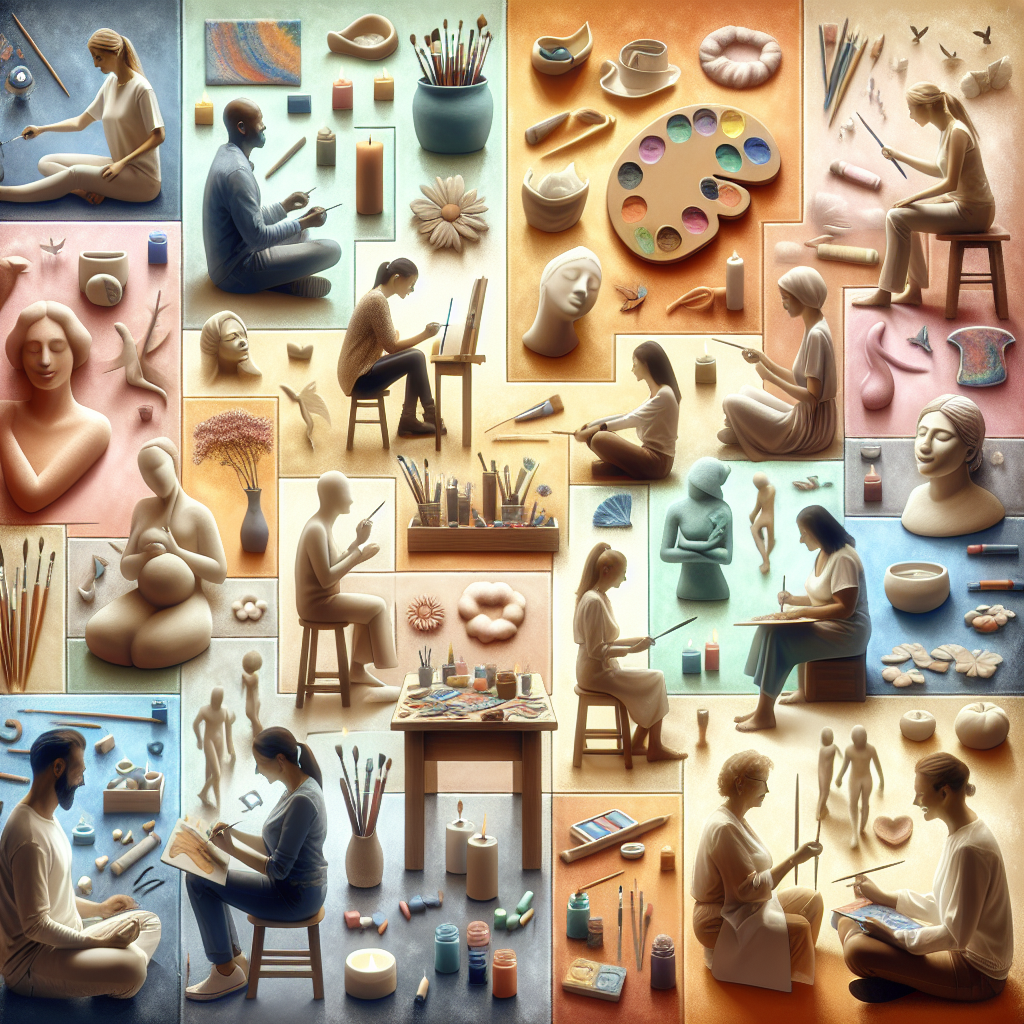
Art therapy sessions can vary widely depending on the needs and preferences of the client. Common activities include drawing, painting, sculpting, and collage-making. The process is often more important than the final product, as it encourages self-exploration and emotional release.
Benefits of Art Therapy
Emotional Expression and Release
Art therapy provides a safe outlet for expressing complex emotions. For individuals who find it challenging to verbalize their feelings, creating art can be a cathartic experience. It allows for the release of pent-up emotions and can lead to a sense of relief and clarity.
Enhanced Self-Awareness
Engaging in art therapy can lead to increased self-awareness. As individuals create art, they may uncover subconscious thoughts and patterns. This heightened awareness can facilitate personal growth and help individuals understand themselves better.
Stress Reduction
The act of creating art can be inherently calming and meditative. It allows individuals to focus on the present moment, reducing stress and anxiety. The repetitive motions involved in art-making can have a soothing effect, similar to mindfulness practices.
Improved Communication Skills
For those who struggle with verbal communication, art therapy offers an alternative means of expression. It can help individuals convey thoughts and emotions that might otherwise remain unspoken. This improved communication can enhance relationships and foster a sense of connection with others.
Boosted Self-Esteem
Creating art can instill a sense of accomplishment and pride. As individuals see their ideas come to life, they may experience a boost in self-esteem and confidence. This newfound confidence can extend beyond the art therapy sessions and positively impact other areas of life.
Applications of Art Therapy
Art therapy is a versatile tool used in various settings and with diverse populations. Its applications are broad and can be tailored to meet the unique needs of individuals.
Mental Health Treatment
Art therapy is widely used in mental health settings to support individuals with conditions such as depression, anxiety, PTSD, and schizophrenia. It can complement traditional therapy approaches, providing an additional avenue for healing.
Trauma Recovery
For individuals who have experienced trauma, art therapy can be particularly beneficial. It offers a non-verbal way to process traumatic memories and emotions. Through art, individuals can reconstruct their narratives and regain a sense of control and empowerment.
Support for Children and Adolescents
Children and adolescents often find it challenging to express their emotions verbally. Art therapy offers a playful and engaging way for young people to explore their feelings and experiences. It can also be used to address behavioral issues and support developmental growth.
Palliative Care
In palliative care settings, art therapy can provide comfort and emotional support to individuals facing life-limiting illnesses. It allows patients to express their fears, hopes, and reflections, offering a sense of peace and acceptance.
Community and Social Change
Art therapy can also play a role in community healing and social change. Group art therapy sessions can foster a sense of belonging and collective healing. In communities affected by conflict or disaster, art therapy can be a powerful tool for rebuilding and resilience.
The Science Behind Art Therapy
While art therapy is an experiential practice, it is also grounded in scientific research. Studies have shown that engaging in creative activities can have measurable effects on the brain and body.
Neurobiological Effects
Creating art activates multiple areas of the brain, including those responsible for emotion, memory, and motor skills. It can stimulate the release of dopamine, a neurotransmitter associated with pleasure and reward. This neurochemical response can enhance mood and motivation.
Psychological Benefits
Research has demonstrated that art therapy can reduce symptoms of anxiety and depression. It can also improve overall psychological well-being by promoting positive coping strategies and enhancing emotional resilience.
Art Therapy in Practice
To understand the impact of art therapy, it is helpful to consider real-life examples of how it has transformed lives.
Case Study: Healing from Trauma
A young woman who survived a traumatic car accident struggled with anxiety and flashbacks. Traditional therapy had limited success in alleviating her symptoms. Through art therapy, she was able to express the emotions and memories associated with the accident in a visual form. Over time, she gained a sense of closure and empowerment, leading to a significant reduction in her anxiety.
Case Study: Supporting a Child with Autism
A ten-year-old boy with autism faced challenges in social interactions and communication. Art therapy provided him with a non-verbal way to express his thoughts and emotions. Through art, he developed a greater understanding of his feelings and improved his ability to connect with others.
Getting Started with Art Therapy
For individuals interested in exploring art therapy, there are several steps to consider.
Finding a Qualified Art Therapist
It is essential to work with a trained and licensed art therapist. These professionals have the expertise to guide individuals through the therapeutic process safely and effectively.
Setting Realistic Expectations
Art therapy is a journey, and progress may take time. It is important to approach the process with an open mind and a willingness to explore.
Creating a Safe Space
Whether in a therapy session or at home, creating a safe and comfortable space for art-making is crucial. This environment should be free from judgment and distraction, allowing for genuine expression.
Conclusion
Art therapy is a powerful and transformative tool that harnesses the joy of creativity for healing. By providing a safe space for emotional expression and self-discovery, art therapy can lead to profound personal growth and improved mental health. Whether used in clinical settings or as a personal practice, art therapy offers a unique path to healing that is both enriching and empowering. As more individuals and communities embrace the potential of art therapy, the possibilities for healing and transformation continue to expand.
