The Influence of Traditional Textile Arts on Modern Fashion
Introduction
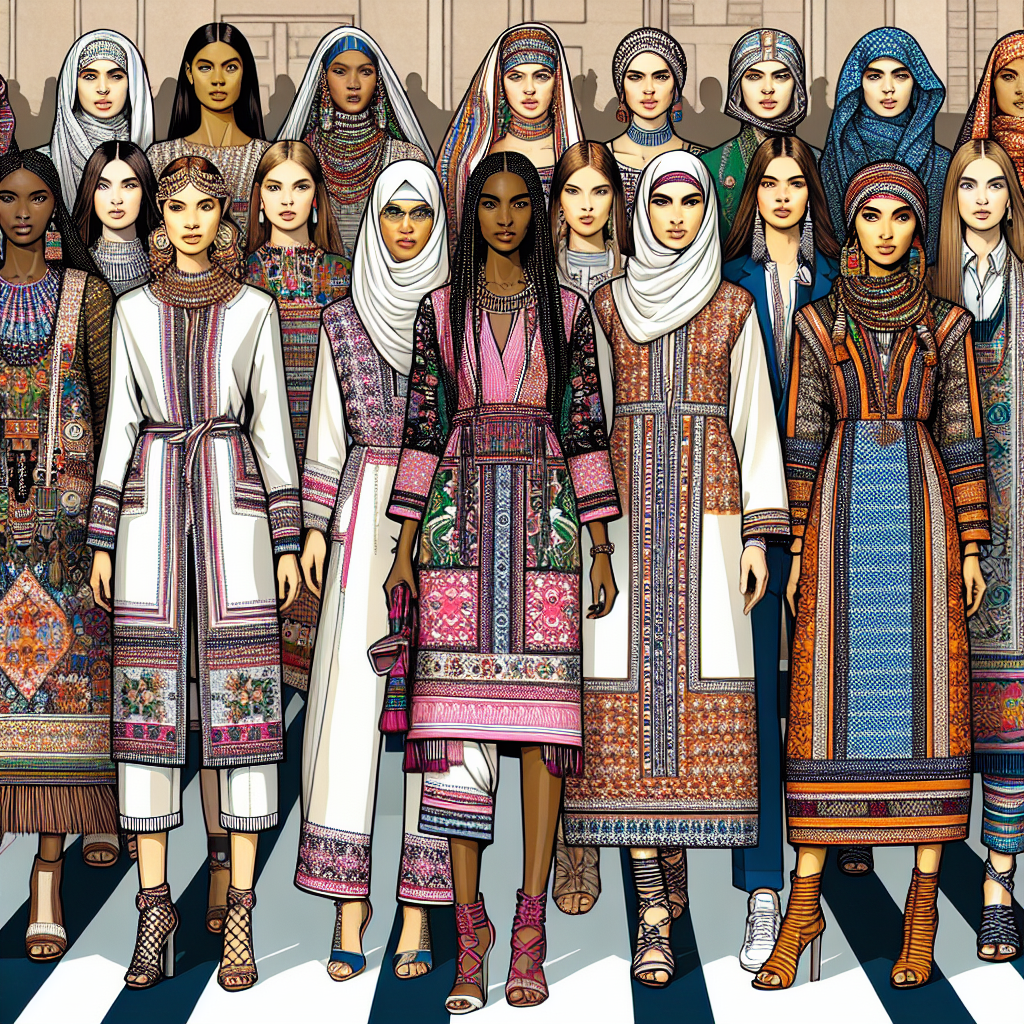
The world of fashion is a dynamic and ever-evolving landscape where tradition and innovation often intersect. Among the many influences shaping modern fashion, traditional textile arts stand out for their rich history and cultural significance. These ancient crafts, passed down through generations, have not only preserved cultural identities but have also inspired contemporary designers. This article explores the profound impact of traditional textile arts on modern fashion, examining how these time-honored techniques continue to inform and enrich the global fashion industry.
The Historical Significance of Traditional Textile Arts
Traditional textile arts encompass a wide range of techniques and styles, each with its own cultural and historical context. These arts have been an integral part of human civilization for centuries, serving both functional and aesthetic purposes. From the intricate weaves of the Andean cultures to the vibrant dyes of West Africa, textile arts have been used to convey social status, tell stories, and express cultural identity.
– **Weaving:** One of the oldest forms of textile art, weaving involves interlacing threads to create fabric. Cultures around the world have developed unique weaving techniques, such as the ikat of Indonesia and the kilims of the Middle East.
– **Embroidery:** This decorative art involves stitching designs onto fabric using a needle and thread. Regions like Eastern Europe and South Asia are renowned for their intricate embroidery patterns.
– **Dyeing:** The process of adding color to textiles has given rise to various traditional dyeing techniques, such as the batik of Java and the shibori of Japan.
The historical significance of these arts lies not only in their craftsmanship but also in their role as cultural artifacts. They offer insights into the values, beliefs, and lifestyles of the societies that created them.
The Revival of Traditional Techniques in Modern Fashion
In recent years, there has been a resurgence of interest in traditional textile arts within the fashion industry. This revival can be attributed to several factors, including a growing appreciation for craftsmanship, a desire for sustainable practices, and a trend towards cultural authenticity.
– **Craftsmanship Appreciation:** As consumers become more discerning, there is a growing demand for high-quality, artisanal products. Traditional textile techniques, with their emphasis on skill and detail, align with this demand.
– **Sustainability:** The fashion industry is increasingly scrutinized for its environmental impact. Traditional textile arts, often characterized by natural materials and processes, offer a more sustainable alternative to mass-produced fashion.
– **Cultural Authenticity:** In an era of globalization, there is a renewed interest in cultural heritage. Designers are turning to traditional textile arts to create pieces that are not only beautiful but also culturally meaningful.
Designers such as Stella McCartney and Vivienne Westwood have incorporated traditional techniques into their collections, demonstrating how these ancient arts can coexist with contemporary fashion.
Case Studies: Traditional Textile Arts in Modern Collections
To further illustrate the influence of traditional textile arts on modern fashion, it is useful to examine specific case studies. These examples highlight how designers have successfully integrated traditional techniques into their work, creating collections that are both innovative and respectful of cultural heritage.
– **Dior’s Cruise Collection:** In 2020, Dior’s creative director Maria Grazia Chiuri collaborated with African artisans to create a collection that celebrated traditional African textiles. The collection featured wax prints, a staple of West African fashion, and showcased the vibrant colors and patterns characteristic of the region.
– **Alexander McQueen’s Embroidery:** The late designer Alexander McQueen was known for his intricate embroidery, often inspired by historical and cultural motifs. His collections frequently drew from traditional embroidery techniques, blending them with modern silhouettes to create striking pieces.
– **Issey Miyake’s Pleats:** Japanese designer Issey Miyake is renowned for his innovative use of pleating, a technique rooted in traditional Japanese textile arts. His collections often feature garments that explore the interplay between form and texture, demonstrating the versatility of traditional techniques.
These case studies illustrate how traditional textile arts can be adapted to suit modern tastes while preserving their cultural significance.
The Role of Artisans in Preserving Traditional Textile Arts
The preservation of traditional textile arts is largely dependent on the artisans who practice these crafts. These skilled individuals are the custodians of cultural heritage, ensuring that traditional techniques are passed down to future generations. In the context of modern fashion, artisans play a crucial role in maintaining the integrity and authenticity of traditional textile arts.
– **Collaboration with Designers:** Many fashion designers collaborate with artisans to incorporate traditional techniques into their collections. These partnerships not only provide economic opportunities for artisans but also help preserve traditional crafts.
– **Education and Training:** Initiatives aimed at educating and training young artisans are essential for the survival of traditional textile arts. Programs that teach traditional techniques can help ensure that these crafts continue to thrive.
– **Community Support:** Supporting artisan communities through fair trade practices and ethical sourcing is vital for the sustainability of traditional textile arts.
By valuing and supporting artisans, the fashion industry can contribute to the preservation of cultural heritage and the promotion of sustainable practices.
Challenges and Opportunities
While the integration of traditional textile arts into modern fashion presents numerous opportunities, it also poses certain challenges. Addressing these challenges is crucial for ensuring that traditional techniques are respected and preserved.
– **Cultural Appropriation:** One of the most significant challenges is the risk of cultural appropriation, where traditional designs and techniques are used without proper acknowledgment or respect for their cultural origins. It is essential for designers to engage with and credit the cultures they draw inspiration from.
– **Commercialization:** The commercialization of traditional textile arts can lead to the loss of authenticity and quality. It is important to strike a balance between making these crafts accessible to a wider audience and maintaining their traditional values.
– **Technological Advancements:** While technology offers new possibilities for innovation, it can also threaten traditional techniques. Finding ways to integrate technology without compromising traditional craftsmanship is a key challenge.
Despite these challenges, the influence of traditional textile arts on modern fashion presents exciting opportunities for creativity and cultural exchange. By embracing these arts, the fashion industry can create a more diverse and sustainable future.
Conclusion
The influence of traditional textile arts on modern fashion is a testament to the enduring power of cultural heritage. These ancient crafts continue to inspire designers, offering a rich source of creativity and innovation. As the fashion industry moves towards more sustainable and culturally aware practices, traditional textile arts will play an increasingly important role. By valuing and preserving these arts, the fashion world can celebrate diversity, promote sustainability, and create a more inclusive future. In doing so, traditional textile arts will not only survive but thrive, enriching the global fashion landscape for generations to come.
