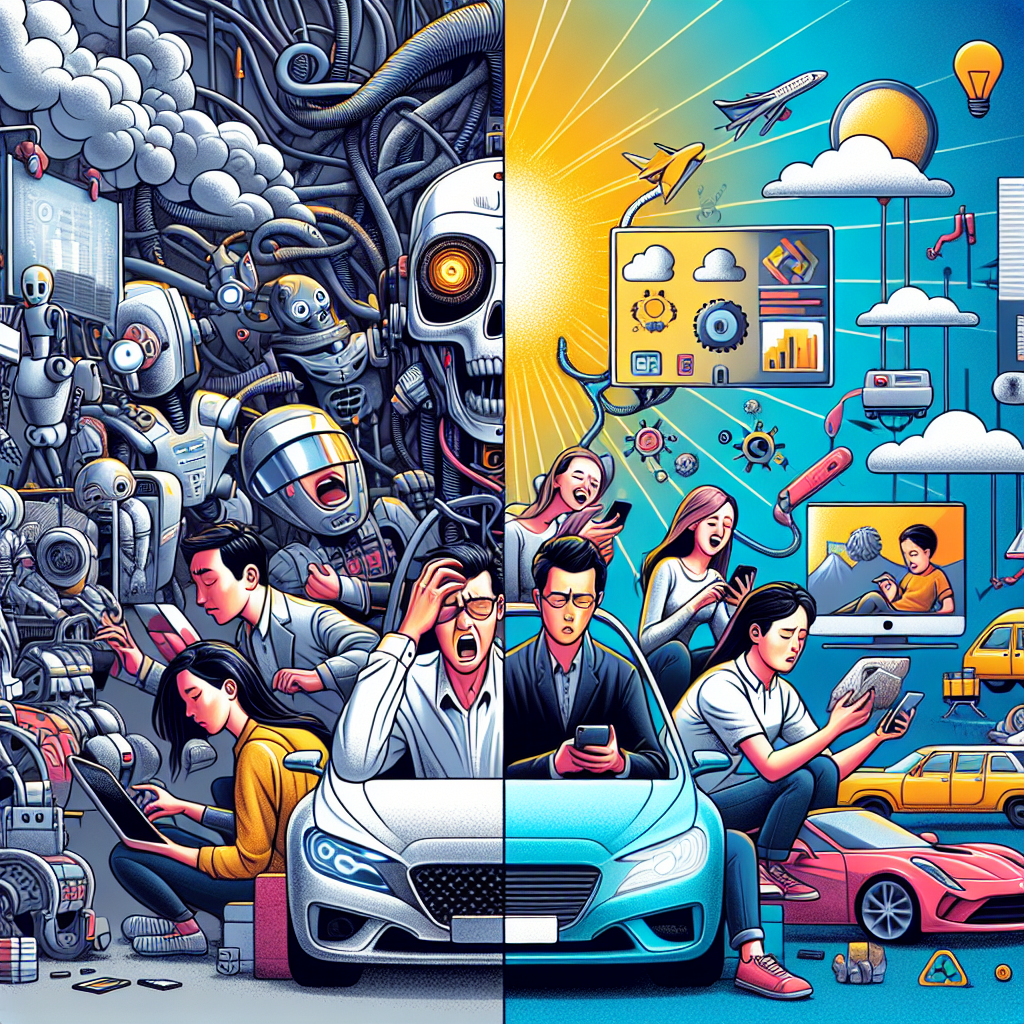
The Influence of Technology on Our Daily Well-Being
In the modern era, technology has become an integral part of our daily lives, influencing nearly every aspect of our existence. From the moment we wake up to the time we go to bed, we interact with various forms of technology. While it has undoubtedly brought numerous benefits, it also presents challenges that can impact our well-being. This article explores the multifaceted influence of technology on our daily well-being, shedding light on its positive and negative aspects, and offers insights on how to navigate this complex landscape.
The Positive Impact of Technology on Well-Being
Enhanced Communication and Connectivity
One of the most significant benefits of technology is its ability to enhance communication. The advent of smartphones, social media platforms, and instant messaging apps has made it easier than ever to stay connected with loved ones, regardless of geographical barriers.
– Instant Communication: Technology allows for instant communication through texts, emails, and video calls, enabling people to maintain relationships over long distances.
– Social Media: Platforms like Facebook, Instagram, and Twitter provide a space for people to share experiences, celebrate milestones, and offer support, fostering a sense of community.
– Professional Networking: LinkedIn and other professional networks facilitate career growth and opportunities by connecting individuals with industry peers and potential employers.
Access to Information and Education
The internet has revolutionized access to information, making it possible for individuals to learn and grow in ways that were previously unimaginable.
– Online Courses: Platforms like Coursera, Udemy, and Khan Academy offer courses on a wide range of subjects, allowing individuals to acquire new skills and knowledge from the comfort of their homes.
– E-books and Journals: Digital libraries and online journals provide access to a vast array of literature and research, supporting both personal and professional development.
– News and Updates: Real-time access to news and updates ensures that individuals are well-informed about global events and trends, contributing to a more knowledgeable society.
Health and Fitness
Technology has also made significant strides in the health and fitness sector, offering tools and resources to help individuals lead healthier lives.
– Wearable Devices: Fitness trackers and smartwatches monitor physical activity, heart rate, and sleep patterns, providing insights that can help individuals make informed decisions about their health.
– Telemedicine: Virtual consultations with healthcare professionals have made medical advice and treatment more accessible, especially for those in remote areas.
– Health Apps: Mobile applications offer features such as workout routines, diet plans, and mental health support, promoting overall well-being.
The Negative Impact of Technology on Well-Being
While technology offers numerous benefits, it also presents challenges that can negatively impact our well-being.
Digital Addiction and Mental Health
The pervasive use of technology can lead to digital addiction, which has been linked to various mental health issues.
– Screen Time: Excessive screen time can lead to eye strain, sleep disturbances, and reduced physical activity, all of which can affect overall health.
– Social Media Pressure: The constant exposure to curated images and lifestyles on social media can lead to feelings of inadequacy, anxiety, and depression.
– Internet Addiction: Compulsive use of the internet, particularly for gaming or social media, can interfere with daily responsibilities and relationships, leading to isolation and stress.
Information Overload
The sheer volume of information available online can be overwhelming, leading to information overload.
– Decision Fatigue: Constantly processing vast amounts of information can lead to decision fatigue, making it difficult to make informed choices.
– Stress and Anxiety: The pressure to stay updated and the fear of missing out (FOMO) can contribute to stress and anxiety.
– Misinformation: The spread of false or misleading information can lead to confusion and mistrust, affecting mental well-being.
Impact on Physical Health
Prolonged use of technology can also have adverse effects on physical health.
– Sedentary Lifestyle: The convenience of technology can lead to a sedentary lifestyle, increasing the risk of obesity, cardiovascular diseases, and other health issues.
– Posture Problems: Extended periods of sitting and improper ergonomics can result in posture-related problems, such as back pain and repetitive strain injuries.
– Sleep Disruption: The blue light emitted by screens can interfere with the production of melatonin, a hormone that regulates sleep, leading to sleep disturbances.
Balancing Technology and Well-Being
Given the dual nature of technology’s impact on well-being, it is essential to find a balance that maximizes its benefits while mitigating its drawbacks.
Mindful Use of Technology
Adopting a mindful approach to technology can help individuals use it in a way that supports their well-being.
– Set Boundaries: Establishing clear boundaries for technology use, such as designated screen-free times or areas, can help reduce its negative impact.
– Digital Detox: Taking regular breaks from technology, such as a digital detox weekend, can help reset and recharge the mind.
– Mindfulness Practices: Incorporating mindfulness practices, such as meditation or deep breathing exercises, can help manage stress and improve mental clarity.
Promoting Physical Activity
Incorporating physical activity into daily routines can counteract the sedentary nature of technology use.
– Active Breaks: Taking short breaks to stretch or walk around can help reduce the strain of prolonged sitting.
– Exercise Routines: Engaging in regular exercise, whether through traditional workouts or using fitness apps, can improve overall health and well-being.
– Ergonomic Setup: Ensuring that workspaces are ergonomically designed can help prevent posture-related problems and promote comfort.
Fostering Healthy Relationships
Technology can be used to strengthen, rather than replace, real-life relationships.
– Quality Time: Prioritizing face-to-face interactions and spending quality time with loved ones can enhance emotional connections.
– Meaningful Engagement: Using technology to facilitate meaningful conversations and support networks can foster a sense of community and belonging.
– Digital Etiquette: Practicing digital etiquette, such as being present and attentive during interactions, can enhance communication and relationships.
Conclusion
The influence of technology on our daily well-being is profound and multifaceted. While it offers numerous benefits, such as enhanced communication, access to information, and health tools, it also presents challenges, including digital addiction, information overload, and physical health issues. By adopting a mindful approach to technology use, promoting physical activity, and fostering healthy relationships, individuals can navigate the complex landscape of technology and enhance their overall well-being. As we continue to integrate technology into our lives, it is crucial to remain aware of its impact and strive for a balanced and healthy relationship with it.
