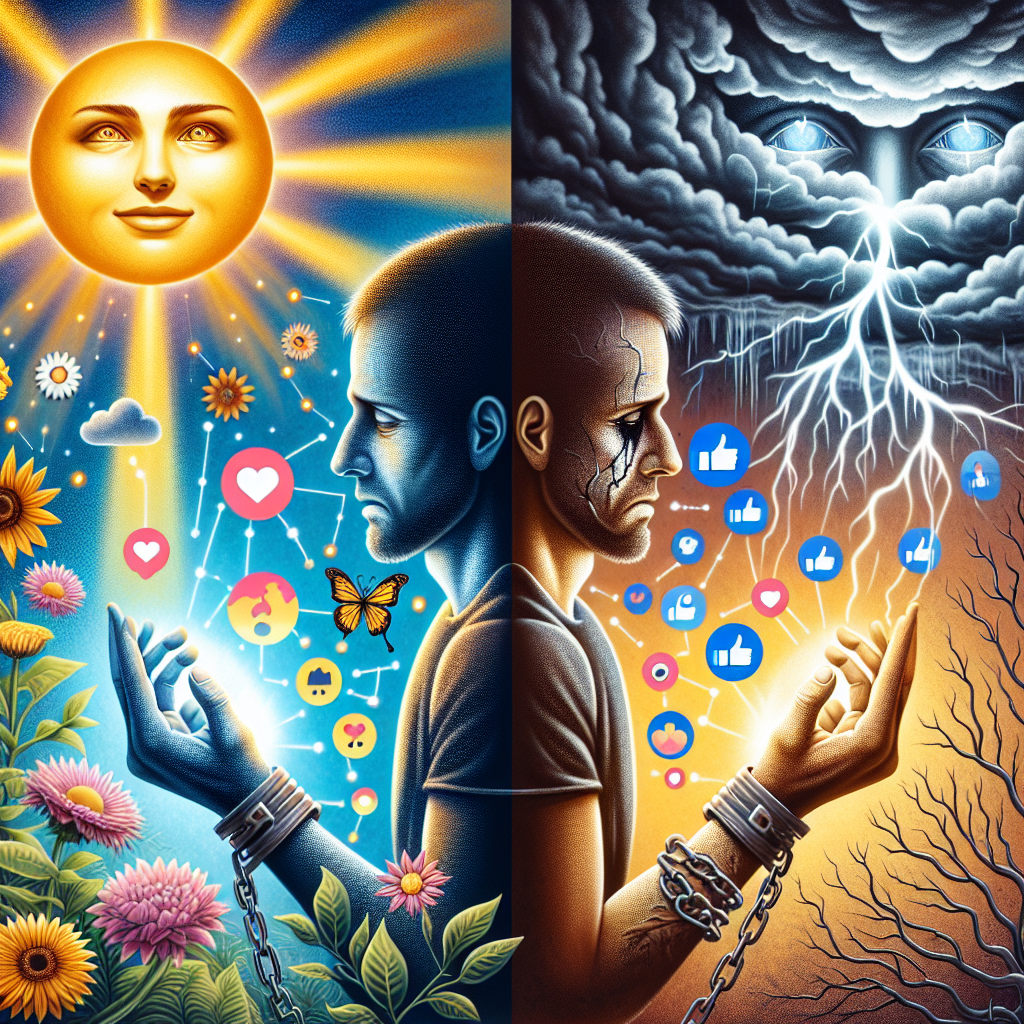
The Influence of Social Media on Our Well-Being
In the contemporary era of rapid technological advancement, social media platforms have become an integral part of modern life. They are the digital squares where ideas flow, opinions are shared, and connections are developed. These platforms, ranging from Facebook and Instagram to Twitter and LinkedIn, have redefined the way we interact with the world around us and have revolutionized communication, marketing, and now, our overall well-being. While social media presents innumerable opportunities for personal and professional growth, it’s crucial to delve into its implications on mental health and social dynamics.
Understanding Social Media’s Impact on Mental Health
The human psyche is intricate and highly susceptible to the environment it finds itself in. With the advent of social media, individuals are now exposed to a virtual environment that can vastly influence their mental state.
– Exposure to Perfect Lives: By design, social media platforms are highlight reels where users often post their best experiences and achievements. Constant exposure to these “perfect lives” can lead to feelings of inadequacy and low self-esteem in others who feel their lives don’t measure up.
– Fear of Missing Out (FOMO): Social media fuels the FOMO phenomenon, where users feel an anxious need to stay connected, fearing they might miss something important or exciting.
– Cyberbullying and Harassment: The veil of anonymity and a lack of face-to-face interaction can lead to increased occurrences of cyberbullying and harassment, which can have severe mental health repercussions for victims.
– Social Media Addiction: The instant gratification received from likes, comments, and shares can lead to social media addiction, which is characterized by an irresistible urge to log on and a preoccupation with social media.
Cultivating a Positive Online Environment
In light of the challenges associated with social media, it’s integral to explore ways to cultivate a positive online environment that fosters well-being.
– Mindful Sharing: Encouraging more realistic and relatable content can alleviate the pressure to lead a “perfect” life and promote a healthier social media culture.
– Online Communities and Support: There are numerous groups and forums where individuals can find support, advice, and camaraderie. Engaging in these communities can build a sense of belonging and shared understanding.
– Encouraging Positive Interactions: Platforms could invest in features and algorithms that promote positive feedback and constructive conversations, making social media a source of upliftment and positivity.
– Digital Literacy and Etiquette: Education about responsible online behavior and digital etiquette can help individuals interact in a more respectful and empathetic manner.
Social Media and Real-World Relationships
Social media isn’t only about what happens online. Its influence extends into the real world, especially when it comes to relationships and social interactions.
– Maintaining Relationships: Social media allows people to stay in touch regardless of distance, maintaining friendships and family bonds through easy communication.
– Networking Opportunities: It offers the chance to connect with like-minded individuals and professionals, enhancing career opportunities and personal interests.
– Risk to In-Person Interactions: Dependency on digital communication can weaken face-to-face interaction skills, leading to a greater reliance on virtual connections at the expense of in-person relationships.
– Privacy Concerns: Oversharing on social media can lead to privacy breaches and potentially harm real-life relationships due to the lack of boundaries and oversharing.
Enhancing Well-Being Through Thoughtful Use
There is a rising conversation about how one can engage with social media thoughtfully and in a manner that enhances well-being rather than detracting from it.
– Digital Detox: Regular intervals of disconnecting from social media can help maintain a healthy balance and reduce stress and anxiety.
– Curated Content Consumption: Users can actively curate their feeds to follow accounts that inspire and nourish their mental health, filtering out negative or distressing content.
– Time Management: Allocating specific times for social media usage can prevent it from consuming excessive amounts of time and becoming an addiction.
– Mindfulness Practices: Integrating mindfulness practices when using social media, such as pausing before responding to content and reflecting on the emotional impact of online engagement, can fortify mental well-being.
Long-Term Implications and the Future of Social Media
The long-term implications of social media usage on well-being are still unfolding, and researchers are continuously studying its effects.
– Changing Brain Structures: There is research that suggests prolonged social media use can alter attention spans and possibly affect memory and learning.
– Impact on Children and Adolescents: The influence of social media on the younger generation, who are growing up with it as a daily part of their lives, is under scrutiny for its potential impact on their social skills and development.
– Regulation and Policies: With concerns over data privacy and mental health implications, there is a global call for stronger regulation of social media platforms to ensure the safety and well-being of users.
– Technological Advancements: As technology evolves, so too will social media platforms, potentially presenting new tools and features designed to mitigate its negative effects on well-being and promote healthier online communities.
In conclusion, while social media is a powerful tool that has reshaped many aspects of our lives, its influence on our well-being is still a matter of significant concern. As individuals and as a society, we must strive to understand and mitigate the potential risks associated with our digital interactions. This necessitates a multifaceted approach that encompasses personal responsibility, community engagement, and regulatory oversight. By fostering an environment of support, mindfulness, and constructive communication, we can leverage the power of social media for good and ensure that its impact on our well-being is positive, inclusive, and empowering.
