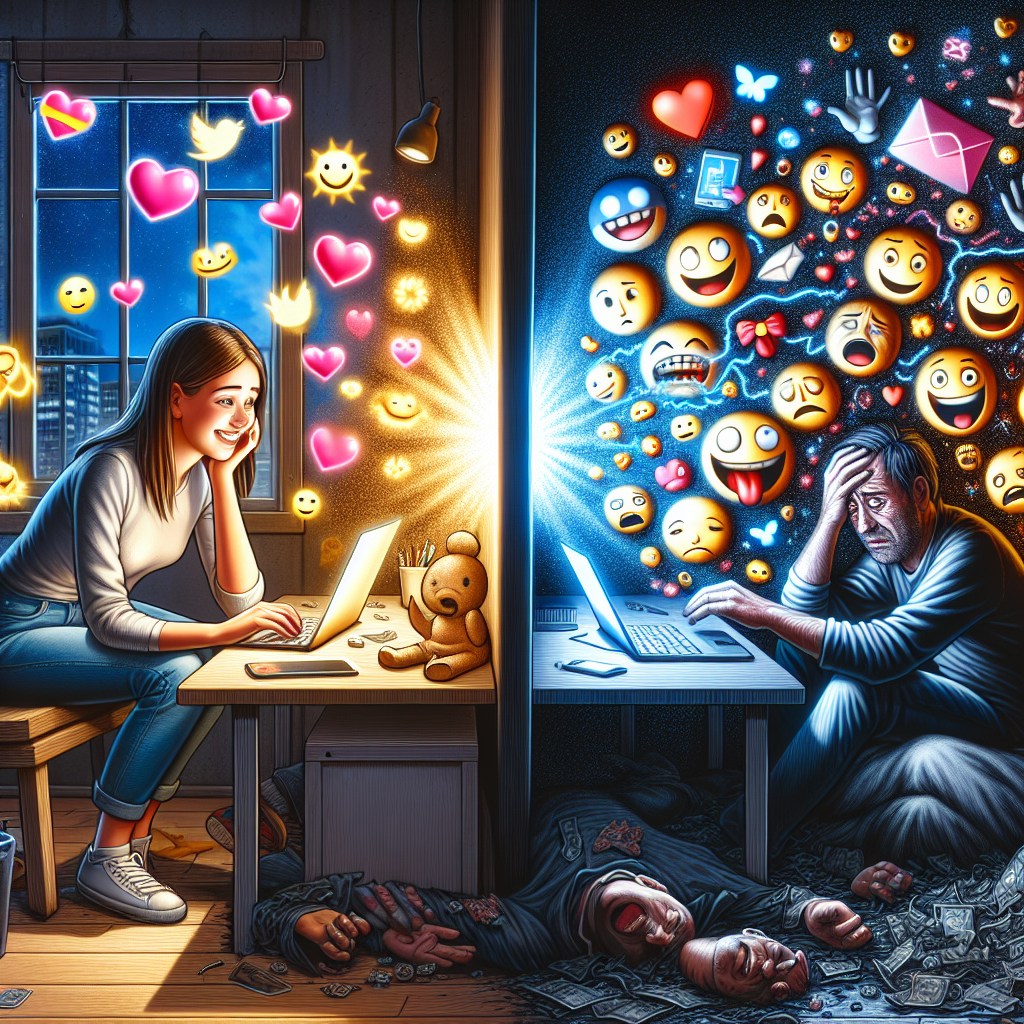
The Impact of Social Media on Happiness and Well-Being
Introduction
In the digital age, social media has become an integral part of our daily lives, influencing how we communicate, share information, and perceive the world. Platforms like Facebook, Instagram, Twitter, and TikTok have revolutionized the way we connect with others, offering unprecedented access to information and a platform for self-expression. However, as social media continues to evolve, questions arise about its impact on our happiness and well-being. This article explores the multifaceted relationship between social media and our mental health, examining both the positive and negative effects it can have on our lives.
The Positive Aspects of Social Media
Connection and Community
Social media platforms have bridged geographical gaps, allowing people to connect with friends and family across the globe. This connectivity fosters a sense of community and belonging, which is essential for mental well-being.
– **Support Networks:** Online communities provide support networks for individuals facing similar challenges, such as chronic illness, mental health issues, or niche interests, offering a sense of solidarity and understanding.
– **Reconnecting with the Past:** Social media enables users to reconnect with old friends and acquaintances, rekindling relationships that may have been lost over time.
Opportunities for Self-Expression
Social media offers a platform for self-expression, allowing individuals to share their thoughts, creativity, and experiences with a wider audience.
– **Creative Outlets:** Platforms like Instagram and TikTok provide creative outlets for artists, musicians, and writers to showcase their work and gain recognition.
– **Personal Branding:** Users can curate their online personas, building personal brands that reflect their values and interests.
Access to Information and Education
The internet is a vast repository of information, and social media plays a pivotal role in disseminating knowledge.
– **Educational Content:** From online tutorials to informative articles, social media platforms offer a wealth of educational content that can enhance learning and personal growth.
– **Awareness and Advocacy:** Social media has become a powerful tool for raising awareness about social issues and advocating for change.
The Negative Aspects of Social Media
Comparison and Envy
While social media can inspire, it can also lead to unhealthy comparisons and feelings of envy.
– **Highlight Reels:** Users often share curated versions of their lives, showcasing only the positive aspects, which can lead others to feel inadequate or envious.
– **Fear of Missing Out (FOMO):** Constant exposure to others’ activities can create a fear of missing out, leading to anxiety and dissatisfaction with one’s own life.
Cyberbullying and Online Harassment
The anonymity of the internet can give rise to cyberbullying and online harassment, which can have severe consequences for mental health.
– **Trolling and Negative Comments:** Negative interactions can lead to anxiety, depression, and a diminished sense of self-worth.
– **Impact on Vulnerable Populations:** Adolescents and young adults are particularly susceptible to the harmful effects of cyberbullying.
Addiction and Overuse
The addictive nature of social media can lead to excessive use, which can negatively impact mental health and well-being.
– **Time Consumption:** Excessive time spent on social media can detract from real-life interactions and activities, leading to feelings of isolation and loneliness.
– **Sleep Disruption:** The blue light emitted by screens can interfere with sleep patterns, affecting overall health and mood.
The Role of Social Media in Mental Health
Social media’s impact on mental health is complex and multifaceted, with both positive and negative effects. Understanding this relationship is crucial for developing strategies to mitigate the adverse effects while maximizing the benefits.
Research Findings
Numerous studies have explored the relationship between social media use and mental health, yielding varied results.
– **Mixed Outcomes:** Some studies suggest a correlation between social media use and increased anxiety and depression, while others indicate that positive interactions can enhance well-being.
– **Individual Differences:** The impact of social media on mental health can vary based on individual differences, such as personality traits and pre-existing mental health conditions.
Strategies for Healthy Social Media Use
To harness the benefits of social media while minimizing its negative effects, individuals can adopt strategies for healthy use.
– **Mindful Consumption:** Being mindful of the content consumed and the time spent on social media can help maintain a healthy balance.
– **Setting Boundaries:** Establishing boundaries, such as designated screen-free times or limiting the number of platforms used, can prevent overuse.
– **Fostering Positive Interactions:** Engaging in positive and supportive interactions can enhance the benefits of social media.
The Role of Social Media Companies
Social media companies have a responsibility to create platforms that promote well-being and minimize harm.
Design and Algorithm Changes
– **Prioritizing Well-Being:** Companies can prioritize user well-being by designing algorithms that promote positive content and reduce exposure to harmful material.
– **Features for Mental Health:** Implementing features like screen time reminders or mental health resources can support users in managing their social media use.
Community Guidelines and Policies
– **Addressing Harassment:** Strict community guidelines and policies can help address online harassment and create a safer environment for users.
– **Promoting Inclusivity:** Encouraging diversity and inclusivity can foster a sense of belonging and acceptance among users.
The Future of Social Media and Well-Being
As social media continues to evolve, its impact on happiness and well-being will remain a topic of interest and concern. The future of social media will likely involve a greater emphasis on user well-being, driven by both consumer demand and regulatory pressures.
Emerging Trends
– **Digital Detox Movements:** Growing awareness of the negative effects of social media has led to digital detox movements, encouraging individuals to take breaks from online platforms.
– **Focus on Authenticity:** There is a shift towards authenticity, with users seeking genuine connections and content over curated highlight reels.
The Role of Artificial Intelligence
– **AI for Mental Health:** Artificial intelligence has the potential to play a role in monitoring and promoting mental health on social media platforms, such as detecting signs of distress and providing resources.
– **Personalized Experiences:** AI can be used to create personalized experiences that cater to individual needs and preferences, enhancing user satisfaction and well-being.
Conclusion
The impact of social media on happiness and well-being is a complex and multifaceted issue. While social media offers numerous benefits, such as connection, self-expression, and access to information, it also poses challenges, including comparison, cyberbullying, and addiction. Understanding the nuances of this relationship is crucial for individuals, social media companies, and policymakers to create a digital environment that promotes well-being and minimizes harm. By adopting strategies for healthy social media use and advocating for responsible platform design, we can harness the positive aspects of social media while mitigating its negative effects, ultimately enhancing our happiness and well-being in the digital age.
