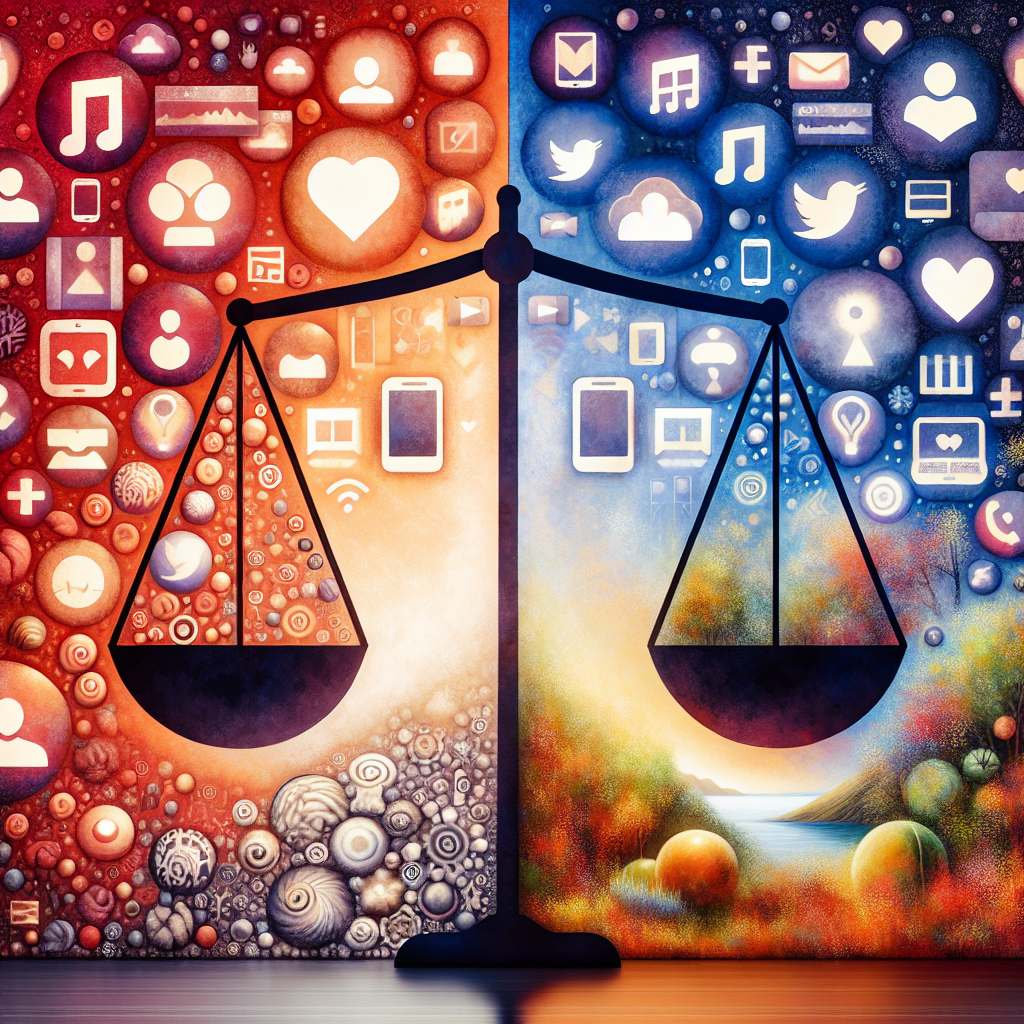
Understanding the Impact of Social Media on Happiness and Well-Being
In the last decade or so, social media has become an integral part of our daily lives, so much so that it’s impossible to not contemplate its impact on our mental health, specifically in terms of happiness and well-being. Research indicates that social media plays a significant role in shaping people’s moods, emotions, and overall mental health. This article will delve into understanding the implications of social media use and its direct correlation with levels of happiness and well-being.
The Pervasiveness of Social Media
Social media platforms such as Facebook, Instagram, LinkedIn, Twitter, and Snapchat, among others, have secured a place in our routines with near indispensability. These platforms enable us to connect with family and friends, share life updates, express perspectives, and engage in global conversations, effectively transforming the ways we communicate and interact.
• It was projected that in 2021, over 3.6 billion people would be using social media worldwide, a number predicted to increase to almost 4.41 billion in 2025.
• On average, internet users spend 144 minutes on social media daily.
Given its extensive reach and usage, it’s only logical to evaluate the impact such a powerful tool can have on our mental health.
Impact on Happiness
Undeniably, there are clear positives that social media brings in terms of happiness. It allows us to maintain contact with distant friends and family, extend our networks, and indulge in global discussions. However, it’s not all sunshine and roses.
Positive Impacts:
• Social Connectedness: Social media allows people to stay in touch with loved ones who may not be geographically close. This sense of connection can bring about happiness and lessen feelings of loneliness.
• Expression of Self: Social media provides a platform for people to express themselves, showcase their talents or ideas. This freedom of self-expression can increase feelings of happiness and contentment.
Negative Impacts:
• Comparison and Envy: Seeing other people’s achievements and highlights can lead to feelings of inadequacy, sparking envy and lowering self-esteem.
• Fear of Missing Out (FOMO): As users are exposed to a constant stream of people participating in fun activities, it can lead to a perceived sense that their own lives are less exciting, resulting in unhappiness.
Impact on Well-Being
When it comes to well-being, social media can be both a boon and a bane. It can affect mental health by altering sleep patterns, creating an avenue for cyberbullying, and potentially leading to higher stress levels — all of which can impact overall well-being.
Positive Impacts:
• Access to Health Information: Social media platforms allow for the dissemination of information, advice, and personal stories related to health and wellness.
• Community Building: Social media is a powerful tool for building communities and support groups around shared interests or challenges.
Negative Impacts:
• Cyberbullying: Social media platforms can become a medium for cyberbullying, leading to severe emotional distress in victims and impacting well-being.
• Sleep Disruption: Excessive usage of social media, especially in the hours leading up to bedtime, can disrupt sleep patterns. Poor sleep quality undermines physical and mental health.
Striking a Balance
Given the mixed bag of effects, it is essential to strike a balanced and mindful approach. Here are some tips to achieve that:
• Limit Screen Time: Set restrictions on the amount of time spent on social media each day.
• Digital Detox: Periodically take breaks from social platforms to establish real-life connections and reduce reliance on virtual interactions.
• Conscious Use: Be mindful of content consumption and the type of interactions you engage with on social media.
• Focus on Quality Interactions: Instead of focusing on the number of likes or followers, concentrate on meaningful interactions that enrich your digital experience.
In conclusion, while social media provides us with numerous advantages, it is crucial to understand its potential toll on our happiness and well-being. As individuals, organizations, and a society, we need to foster an environment where social media is used responsibly and in a manner that promotes positivity and healthy engagement, rather than undermining our mental health. If managed correctly, the unique blend of instant access, connectivity, and content generation that social media affords can be directed for self-growth and well-being, making it a tool not just for staying connected, but for staying happy too.
