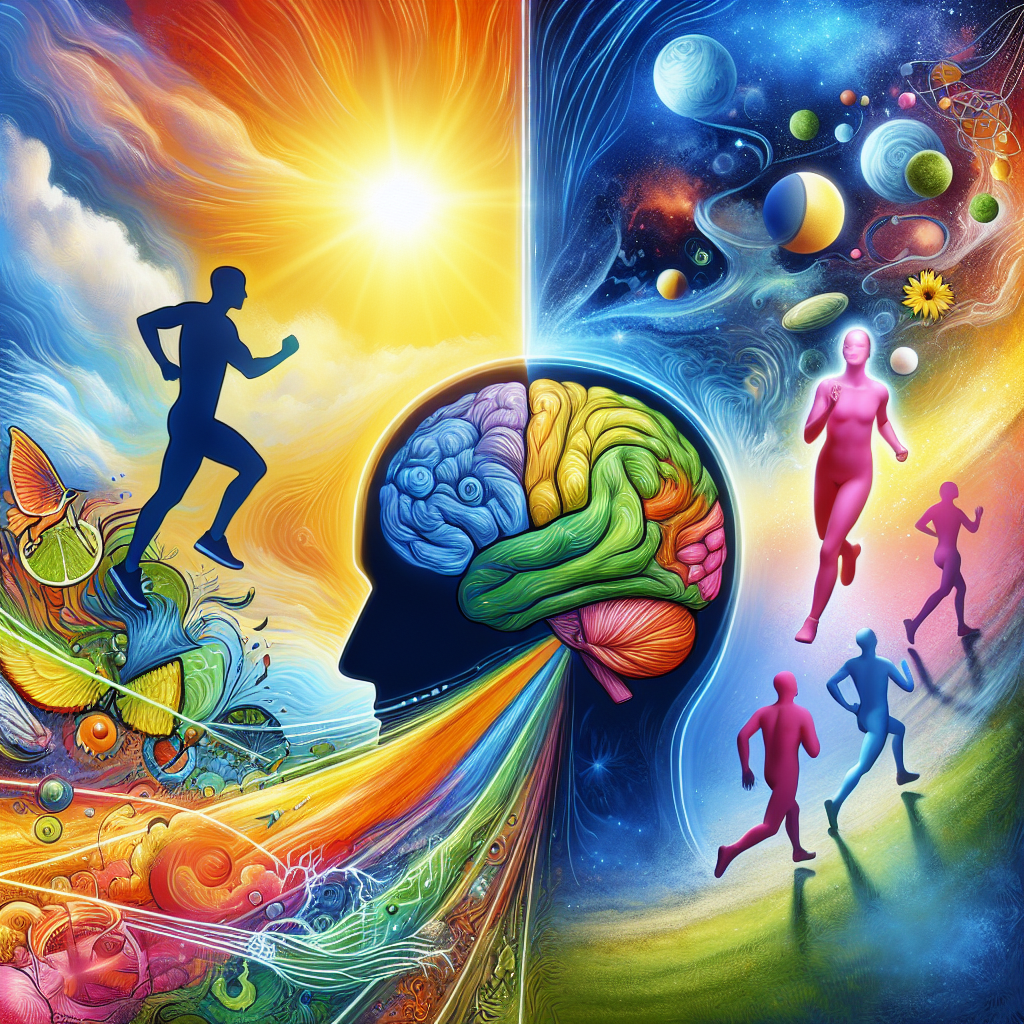
**The Impact of Physical Activity on Mental Health and Happiness**
**Introduction: The Quintessence of Movement**
In today’s fast-paced world, where stressors run rampant and mental health issues are on the rise, finding solace in the tranquility of a balanced life has become a pursuit for many. It’s no secret that physical activity plays a critical role in maintaining a healthy body; however, the profound impact it has on mental health and happiness is a narrative that is still gaining momentum. The following discourse delves into this intricate subject, shedding light on how movement is not just a part of life but a catalyst for mental and emotional well-being.
**Unveiling the Science: How Physical Activity Influences the Brain**
Our understanding of how physical activity benefits mental health is rooted in a complex interplay of physiological chemical responses. Here’s a breakdown of the key processes:
– **Neurotransmitter Regulation:** Exercise stimulates the production of endorphins, the body’s natural mood lifters, along with increasing the availability of neurotransmitters such as serotonin and norepinephrine, which can reduce symptoms of depression.
– **Stress Response Alleviation:** When we engage in physical activity, our bodies learn to handle stress more effectively by suppressing the production of the stress hormone cortisol.
– **Neural Growth and Protection:** Engaging in regular physical activity fosters the growth of new neurons in the hippocampus, a region vital for memory and learning, and also releases a protein known as brain-derived neurotrophic factor (BDNF), which aids in cognitive function and mental resilience.
**Physical Activity as a Mood Enhancer**
Embarking on the journey of physical activity can be likened to unlocking a treasure trove of emotional benefits. Let’s explore some mood-enhancing aspects of exercise:
– **Instant Gratification:** Beyond long-term benefits, exercise provides immediate mood improvement, often referred to as a “runner’s high,” characterized by feelings of euphoria post-workout.
– **Confidence Boost:** Achieving fitness goals, regardless of their size, can instill a sense of accomplishment and elevate one’s self-esteem.
– **Mindfulness and Present-Moment Focus:** Physical activity, especially activities like yoga and tai chi, encourages a sense of present moment awareness, working as a form of moving meditation.
**Physical Activity’s Role in Alleviating Anxiety and Depression**
Now let’s delve into how physical activity serves as a potent combatant in the fight against anxiety and depression:
– **Anxiety Reduction:** Exercise is associated with a decrease in anxiety symptoms due to its role in regulating stress hormones and inducing muscle relaxation.
– **Depression Deterrent:** Studies have shown that physical activity can be an effective intervention in reducing symptoms of depression, in some instances being as effective as medication or psychotherapy.
**Enhancing Cognitive Function Through Movement**
Physical activity isn’t just beneficial for the body and mood, but it also sharpens the mind. Below are some cognitive benefits:
– **Improved Memory:** Regular physical activity boosts memory and learning by enhancing the hippocampus’s vitality, the brain region responsible for memory formation.
– **Concentration and Attention:** Exercise can help to improve focus and lengthen attention spans, contributing to better performance at work or school.
– **Slowing Cognitive Decline:** Engaging in physical activity can slow down age-related cognitive decline and lower the risk of diseases like Alzheimer’s.
**Physical Activity: A Social Connector**
Participation in physical activities can often be social events, providing the opportunity to connect with others, leading to improved mental health. Here’s how:
– **Building Community:** Joining sports teams or exercise groups provides a sense of belonging and community, essential for emotional well-being.
– **Enhanced Social Skills:** Group activities can improve communication and cooperation skills, fostering positive social interactions.
**The Happiness Formula: Finding Joy in Movement**
In pursuit of happiness, incorporating physical activity into one’s daily routine can work wonders. This section elucidates how:
– **Finding Flow:** Engaging in challenging yet rewarding physical activities can lead to a flow state, a state of immersion and focused motivation that is often associated with happiness.
– **Nature and Exercise:** Exercising outdoors not only provides the body with vitamin D but also elevates the spirit by connecting with nature’s calming beauty.
– **Variety is the Spice of Life:** Mixing up routines by trying new sports or activities keeps excitement levels high and prevents monotony.
**Challenges and Overcoming Barriers to Physical Activity**
While the benefits are undeniable, several barriers can hinder the incorporation of physical activity into everyday life. Let’s address these challenges:
– **Time Constraints:** For many, finding the time to exercise can be difficult. The key is to prioritize physical activity by scheduling it into the day and choosing shorter, more intense workouts when time is limited.
– **Lack of Motivation:** Setting realistic goals, tracking progress, and seeking out social support can all bolster motivation levels.
– **Physical Limitations:** Tailoring physical activities to meet individual abilities and consulting healthcare professionals when necessary can help overcome physical constraints.
**Conclusion: Taking the Leap Toward a Balanced Mind and Body**
It is irrefutable that physical activity holds the power to transform our mental health and pave the way for a happier existence. Through the intricate web of chemical responses, cognitive enhancements, and social connections it weaves, it allows us to face life’s adversities with resilience and buoyancy.
Making the choice to embrace movement in daily life may require overcoming hurdles and altering long-standing habits, yet the profound impact it has on both the mind and happiness is worth every effort. It is through this understanding and commitment that we can unlock the true potential of physical activity, making strides towards a future where mental fortitude and joy are not merely aspirations but tangible realities.
