Introduction
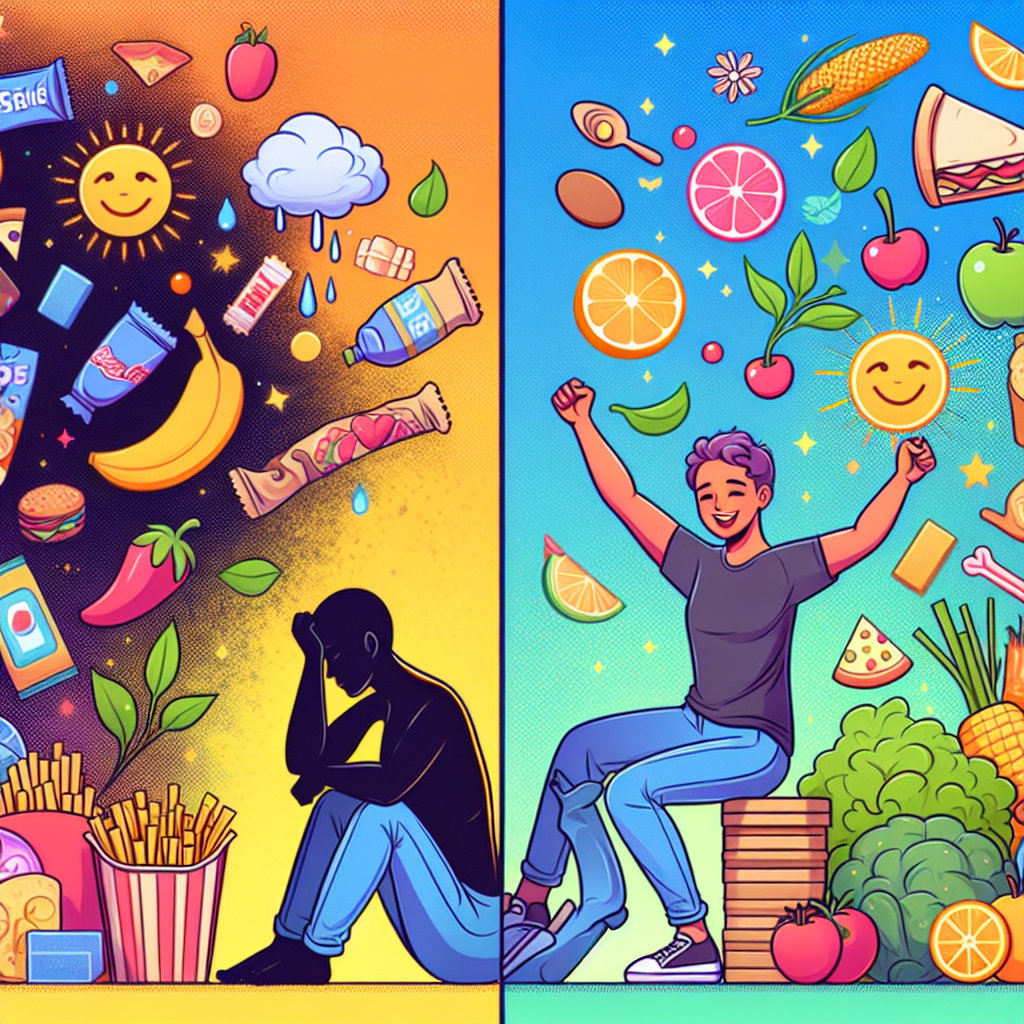
In recent years, increased interest and research have revealed a significant relationship between diet, mood, and emotional well-being. Extracting the impacts from a plethora of studies and global surveys, it is explicit that dietary patterns and food choices have a profound effect on our physical health and also our mental health. A careful diet selection can help manage mood disorders, such as anxiety and depression, thus promoting overall emotional well-being. This post will explore these fascinating connections and shine light on the biological explanations behind them.
Understanding the Connection Between Diet and Mood
Diet plays an integral role in mood regulation. In today’s fast-paced world, highly processed food with readily available ‘fast-food’ options is often the preferred choice. However, these food items can take a serious toll on your mood and over time, can contribute to chronic mood disorders.
Certain nutrients in various foods are key in the production and function of neurotransmitters, the mood-regulating chemicals in the brain. When we consume food rich in these nutrients, there tends to be an overall positive impact on our mood and emotional well-being.
You are What You Eat
Rooted in many old traditions and now solidified by science, the saying, “you are what you eat”, has never been more relevant.
• Omega-3 Fatty Acids: These nutrients are essential for brain health and function, which in turn affects our mood. Found in oily fish like salmon and sardines, seeds, and nuts, Omega-3 fatty acids can reduce symptoms of mood disorders and improve overall emotional well-being.
• B-Vitamins: They play a crucial role in producing brain chemicals that affect mood and other brain functions. A deficiency in B-vitamins can lead to mood disorders. Leafy green vegetables, legumes, and fruit are rich in B-vitamins.
• Protein: High-protein foods like eggs, lean meat or tofu, provide amino acids required for the production of neurotransmitters in our brain that boost mood.
• Magnesium: This nutrient calms the nervous system and is involved in the conversion of amino acids into neurotransmitters. Eating spinach, nuts, whole grains, or legumes can replenish your magnesium levels.
Impacts of Unhealthy Diets on Mood
While appropriate nutritional intake can substantially boost mood and emotional well-being, unhealthy dietary habits can potentially harm your mood and overall mental health realm.
• Sugar Intake: High levels of sugar promote inflammation in the body, which can cause mood swings and fatigue.
• Processed Food: These food products are typically low in essential nutrients and high in unhealthy fats and sugar, energy crashes and mood swings may occur.
• Caffeine: High consumption can lead to anxiety as caffeine stimulates the central nervous system.
• Alcohol: Regular and high consumption of alcohol can cause feelings of depression and anxiety.
Dietary Interventions for Mood Regulation
The adage ‘prevention is better than cure’ is apt in the context of mood disorders and emotional well-being.
• Mediterranean Diet: This diet rich in plant foods, lean proteins, and healthy fats has been linked to lower depression rates.
• The Level-headed Diet: This diet promotes moderate consumption across all food groups and promotes nutrient-dense foods to maintain balance for mood regulation.
• Dietary Supplements: These are increasingly being recognized as potential tools for managing mood disorders, but it’s essential to consult with a healthcare professional before starting any new supplement.
Conclusion
Food and mood share an incredibly complex relationship. A balanced, nutrient-rich diet can go a long way towards promoting good mental health and emotional well-being. However, it’s crucial to remember that diet alone does not determine mental health and should be viewed as part of a comprehensive approach towards healthy living.
Every individual might react differently to various foods. Thus, it proves crucial to understand one’s body and personalized dietary habits accordingly. It is also important to seek professional advice before undertaking any drastic dietary changes or commencing supplement intake.
Overall, it is undeniable that dietary habits exercise a profound influence over our mood and emotional well-being. Attention to mental health, therefore, necessitates consideration of physical health, with diet as a vital component. Everyone should prioritize balanced and nutritious eating, and also emphasize the need for mental health discussions to involve talk about food. Together, these steps can elevate our overall wellness journey, fostering a healthier, happier world.
