**Exploring the Connection Between Wilderness Medicine and Personal Preparedness**
In today’s fast-paced world, where urban living is the norm for most people, the allure of the great outdoors remains undiminished. Whether hiking through dense forests, climbing rugged mountains, or camping by serene lakes, the call of nature offers a unique escape from the daily grind. However, venturing into the wilderness comes with its own set of challenges and risks. This is where the principles of wilderness medicine and personal preparedness intersect, offering invaluable knowledge and skills for outdoor enthusiasts. Understanding this connection not only enhances safety but also enriches the wilderness experience.
**Understanding Wilderness Medicine**
Wilderness medicine is a specialized field focused on providing medical care in remote and challenging environments. It addresses the unique circumstances and risks associated with outdoor activities, where traditional medical facilities may be hours or even days away. The discipline encompasses a wide range of topics, including trauma management, environmental injuries, and improvisational techniques.
– **Trauma Management**: In the wilderness, injuries can range from minor cuts and bruises to more serious fractures and dislocations. Wilderness medicine teaches individuals how to assess injuries, stabilize patients, and provide initial care until professional help is available.
– **Environmental Injuries**: Exposure to extreme weather conditions can lead to hypothermia, heatstroke, and frostbite. Wilderness medicine emphasizes the recognition and treatment of these conditions, ensuring that individuals can respond effectively to environmental challenges.
– **Improvisational Techniques**: With limited resources at hand, improvisation becomes a critical skill. Wilderness medicine encourages the use of available materials to create splints, bandages, and other medical supplies, fostering creativity and adaptability in emergency situations.
**The Role of Personal Preparedness**
Personal preparedness is the proactive approach to anticipating and mitigating risks before they occur. It involves planning, education, and the acquisition of skills necessary to handle unexpected situations. In the context of wilderness exploration, personal preparedness is crucial for ensuring safety and maximizing the enjoyment of outdoor activities.
– **Planning and Research**: Before embarking on any wilderness adventure, thorough planning is essential. This includes researching the destination, understanding the terrain, assessing weather conditions, and identifying potential hazards. Proper planning helps prevent accidents and ensures a smooth and enjoyable experience.
– **Skill Acquisition**: Acquiring essential skills such as navigation, first aid, and survival techniques is a cornerstone of personal preparedness. These skills empower individuals to handle emergencies confidently and effectively, reducing reliance on external assistance.
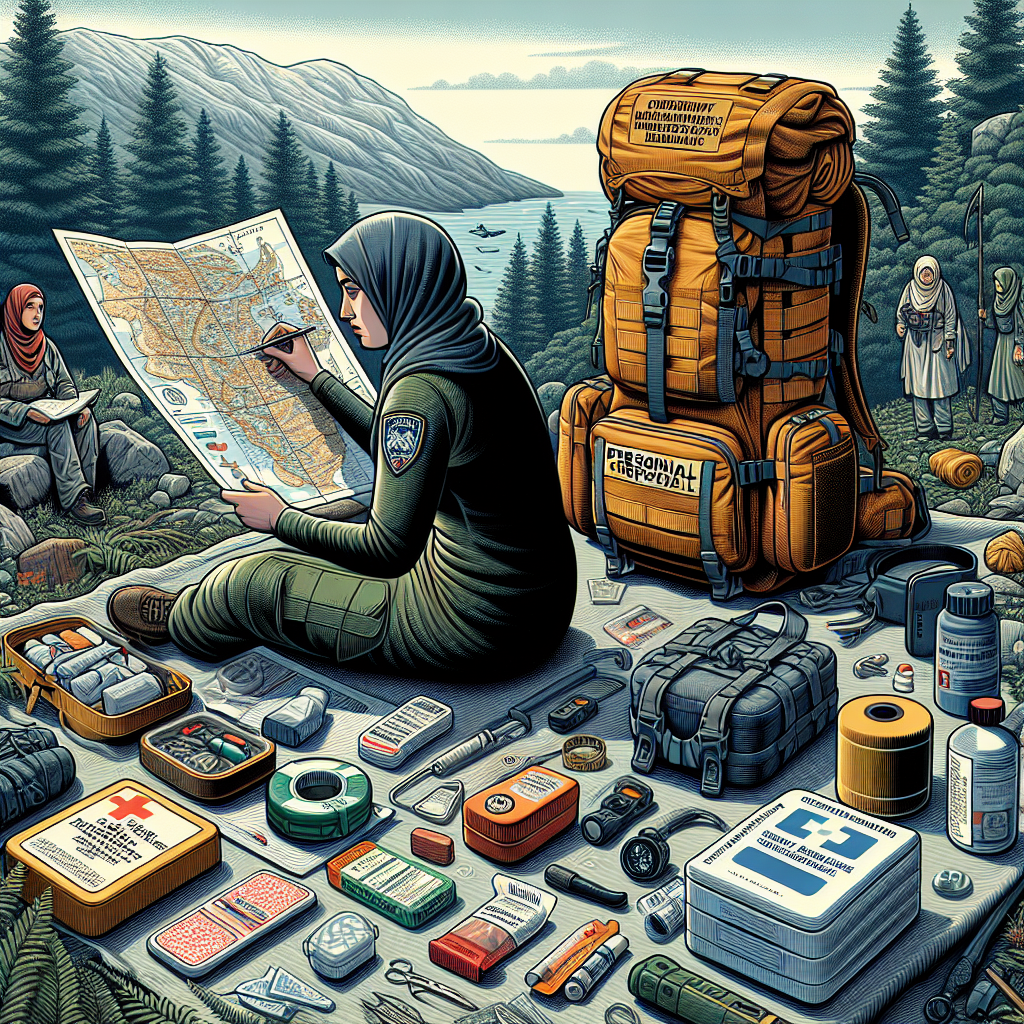
– **Equipment and Supplies**: Carrying the right equipment and supplies is vital for personal preparedness. This includes appropriate clothing, navigation tools, first aid kits, and emergency shelters. Being well-equipped enhances safety and comfort in the wilderness.
**The Synergy Between Wilderness Medicine and Personal Preparedness**
The connection between wilderness medicine and personal preparedness is symbiotic. Each discipline complements the other, creating a comprehensive approach to outdoor safety and enjoyment. By integrating the principles of wilderness medicine into personal preparedness strategies, individuals can enhance their ability to respond to emergencies and make informed decisions in challenging environments.
– **Enhanced Decision-Making**: Understanding wilderness medicine principles allows individuals to make informed decisions when faced with medical emergencies. This knowledge, combined with personal preparedness, ensures that actions taken are effective and appropriate for the situation.
– **Improved Risk Management**: Personal preparedness involves anticipating potential risks and taking steps to mitigate them. Wilderness medicine provides the knowledge needed to assess and manage these risks, reducing the likelihood of accidents and injuries.
– **Increased Confidence**: The combination of wilderness medicine skills and personal preparedness fosters confidence in outdoor enthusiasts. This confidence translates into a more enjoyable and fulfilling wilderness experience, as individuals feel equipped to handle any challenges that may arise.
**Practical Applications of Wilderness Medicine and Personal Preparedness**
To fully appreciate the connection between wilderness medicine and personal preparedness, it is helpful to explore some practical applications. These examples illustrate how the integration of these disciplines can enhance safety and enjoyment in the wilderness.
**Scenario 1: Managing a Fracture in the Wilderness**
Imagine a scenario where a hiker slips on a rocky trail and suffers a suspected fracture. With wilderness medicine training, the hiker’s companion can assess the injury, immobilize the limb using available materials, and provide pain relief. Personal preparedness ensures that the group has a well-stocked first aid kit and a plan for contacting emergency services if needed.
**Scenario 2: Navigating Extreme Weather Conditions**
A group of campers is caught in an unexpected snowstorm. Personal preparedness means they have packed appropriate clothing and emergency shelters. Wilderness medicine knowledge allows them to recognize the early signs of hypothermia and take preventive measures, such as building a fire and ensuring everyone stays dry and warm.
**Scenario 3: Responding to a Medical Emergency**
During a multi-day trek, a member of the group experiences severe abdominal pain. Wilderness medicine training enables the group to conduct a thorough assessment and determine the need for evacuation. Personal preparedness ensures they have a communication device to call for help and a plan to safely transport the individual to the nearest medical facility.
**The Importance of Continuous Learning and Training**
The fields of wilderness medicine and personal preparedness are dynamic, with new techniques and information continually emerging. Continuous learning and training are essential for staying updated and maintaining proficiency in these areas.
– **Regular Training Courses**: Participating in regular wilderness medicine courses and personal preparedness workshops helps individuals stay current with best practices and new developments. These courses often include hands-on training, allowing participants to practice skills in realistic scenarios.
– **Staying Informed**: Keeping abreast of the latest research and advancements in wilderness medicine and personal preparedness is crucial. This can be achieved through reading relevant publications, attending conferences, and engaging with online communities.
– **Practical Experience**: Gaining practical experience through regular outdoor activities reinforces skills and knowledge. It provides opportunities to apply what has been learned in real-world situations, building confidence and competence.
**Conclusion: Embracing the Wilderness with Confidence**
The connection between wilderness medicine and personal preparedness is a powerful one, offering a comprehensive approach to outdoor safety and enjoyment. By understanding and integrating the principles of both disciplines, individuals can enhance their ability to respond to emergencies, manage risks, and make informed decisions in the wilderness.
For those who heed the call of the wild, embracing this connection means venturing into nature with confidence and peace of mind. It transforms the wilderness from a place of potential danger to a realm of endless exploration and adventure. As more people seek solace and inspiration in the great outdoors, the synergy between wilderness medicine and personal preparedness will continue to play a vital role in ensuring that these experiences are safe, rewarding, and unforgettable.
