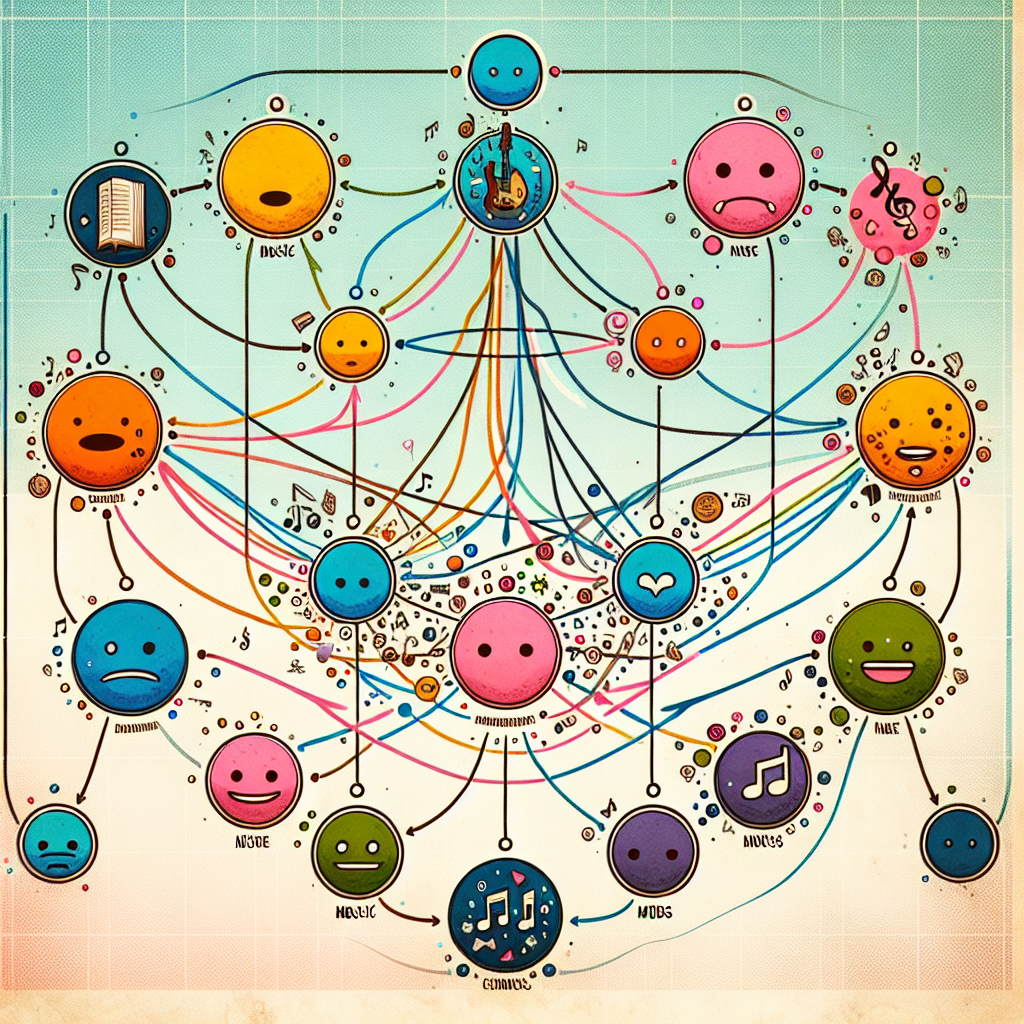
The Connection Between Music and Mood: A Guide to Musical Happiness
Music is often referred to as a universal language, an art form that transcends boundaries and is accessible to all. It possesses the profound capacity to evoke and express emotions in ways that words alone cannot. The connection between music and mood is somewhat mystical and yet deeply embedded in the fabric of our existence. From the lullabies sung to soothe infants, to anthems that galvanize entire communities, music has a unique power to alter emotions and moods, create atmospheres, and even heal.
Understanding the Music-Mood Connection
The intricate relationship between music and mood is well-established, with research supporting the idea that music can influence emotions in a variety of ways. This connection can be experienced in both the listening to and the creation of music. Here, we delve into the factors and mechanisms at play in this complex interplay.
– Cultural Context and Personal Experience
Music is experienced within a cultural lens—various genres and styles often carry specific cultural connotations. For example, classical music is often associated with relaxation and sophistication, while heavy metal may be connected to feelings of aggression or rebellion. Additionally, personal experiences and memories tied to certain songs can trigger specific emotions.
– Rhythmic Influence
Humans have a natural response to rhythm. Upbeat and rapid rhythms can energize and invigorate, while slower rhythms might relax and calm the listener. This physiological response to rhythm can directly influence our heart rate, breathing, and even brain wave patterns.
– Melody and Harmony
The melody and harmony of a piece of music play a crucial role in conveying emotion. Major keys and consonant harmonies are generally considered to impart feelings of happiness or contentment, while minor keys and dissonant harmonies might evoke sadness or tension.
– Lyrics and Drama
The lyrical content of a song can also have a significant impact on mood. Lyrics that tell a story or express emotions can elicit empathetic responses from listeners, while instrumental music might rely more heavily on melody and harmony to convey mood.
The Science Behind the Scenes
The influence of music on mood isn’t solely a matter of personal anecdote or cultural belief; it has a basis in neuroscience. When we listen to music, our brain releases neurotransmitters like dopamine, which is associated with pleasure, and other hormones that can affect our mood.
– The Brain’s Reward System
Listening to music activates the brain’s reward system, releasing dopamine and creating feelings of pleasure and reward. This response is similar to what occurs when engaging in other pleasurable activities like eating or socializing.
– Stress Reduction
Music can lower stress by reducing the levels of the stress hormone cortisol. This can lead to an improved mood and a sense of relaxation.
– Cognitive Processing
Music can also alter mood by engaging different areas of the brain responsible for processing emotions and executive functions. This engagement can provide mental stimulation that influences how we perceive and react to our mood.
The Power of Musical Happiness
Given music’s ability to affect emotions, it stands to reason that it can be leveraged to actively boost happiness. Here, we explore ways to harness the mood-altering power of music in daily life.
– Creating the Perfect Playlist
Curating a playlist of songs that resonate positively can be a go-to resource for emotional upliftment. Consider assembling a collection of tracks that have happy memories associated with them or ones that simply make you feel good.
– Music for Concentration and Productivity
Certain types of music can aid concentration and enhance productivity. Instrumental music or songs with a steady, upbeat tempo can assist with focus and keep energy levels high.
– Musical Therapy
Music therapy is a recognized field where trained professionals use music to help individuals manage their mood and emotions. It can be a powerful tool in managing conditions like depression and anxiety.
– Singing and Playing Instruments
Actively participating in music-making, whether singing or playing an instrument, can have profound mood-enhancing effects. The act of creation and expression has therapeutic qualities that extend beyond passive listening.
Music in Practice: Applications and Considerations
Music’s utility stretches across various aspects of life, from the personal to the communal. Below are examples of how music can be incorporated into different scenarios and considerations to keep in mind.
– In Workplace Environments
Offices and workplaces can benefit from incorporating music to improve morale and productivity. However, it’s important to consider the preferences and needs of all individuals, ensuring that the music helps rather than hinders the work environment.
– Educational Settings
Teachers can use music to create a conducive learning environment, to signal transitions between activities, or to teach certain concepts. Music in the classroom should be chosen with the age and interests of the students in mind.
– Healthcare and Therapy
Music is increasingly being used in healthcare settings to promote wellness and aid in recovery. Its use should be tailored to individual patient needs and preferences for maximum benefit.
– Public Spaces and Events
Music played in public spaces, from shopping malls to sporting events, has the power to influence the mood of large groups of people. Event organizers and public planners should be mindful of the emotional tone they want to set.
Conclusion: Cultivating Well-being through Music
The connection between music and mood is deeply woven into our lives. Understanding and leveraging this connection can help us enhance our emotional well-being and overall happiness. From curated playlists and targeted musical interventions to everyday practice and public policy, this guide to musical happiness underscores the importance of music as a resource for mood enhancement and emotional health.
In harnessing music’s potential to affect mood, it is key to remain attentive to personal preferences and cultural differences—what is soothing to one person may be irritating to another. As we navigate the symphony of our lives, let us appreciate and utilize the powerful and versatile tool that is music, allowing it to guide us toward a happier, more harmonious existence.
