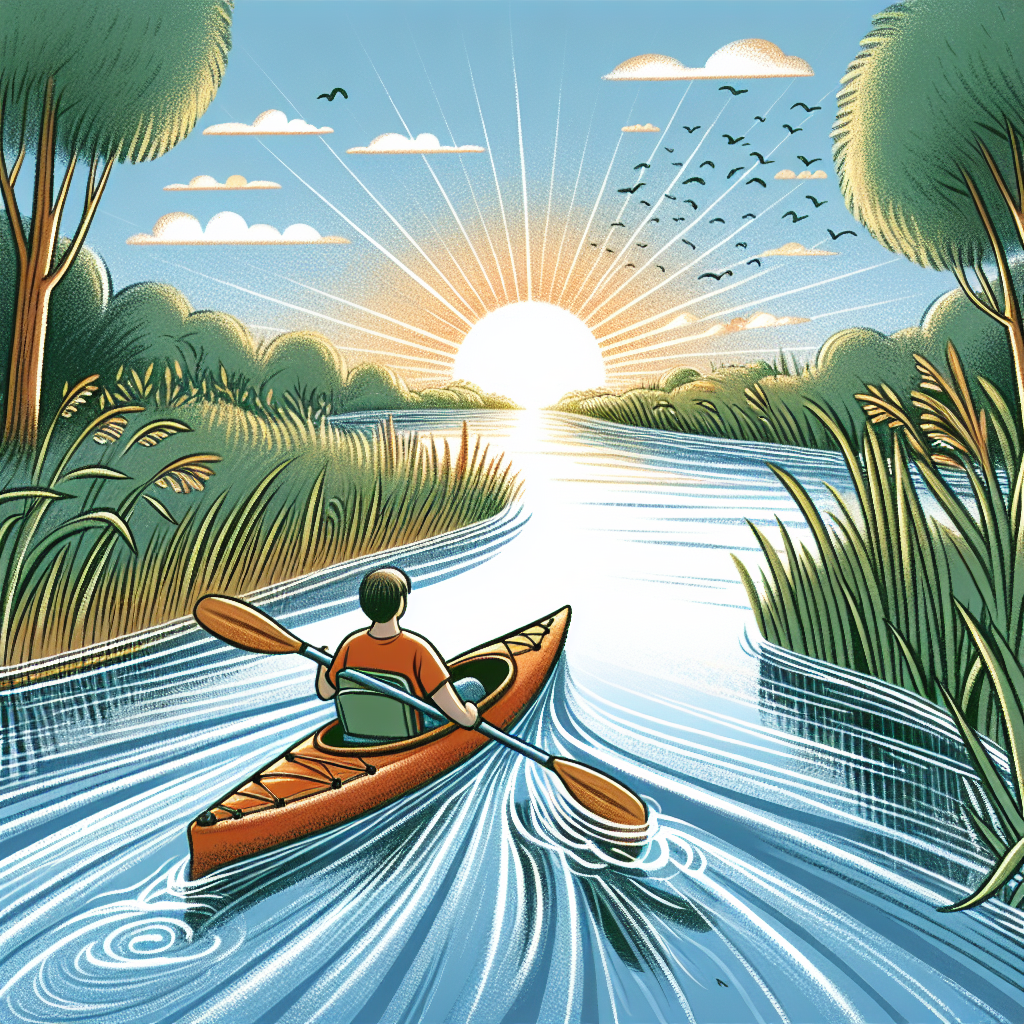
The Art of Mindful Kayaking: Paddling Toward Serenity and Happiness
Introduction
In a world that often feels overwhelmingly fast-paced and digitally connected, finding moments of tranquility and genuine connection with nature can be a challenge. Mindful kayaking offers a unique opportunity to escape the hustle and bustle, allowing individuals to immerse themselves in the natural world while fostering a sense of peace and happiness. This article explores the art of mindful kayaking, highlighting its benefits, techniques, and the profound impact it can have on mental and emotional well-being.
The Essence of Mindfulness
Mindfulness is the practice of being fully present and engaged in the moment, without judgment or distraction. It involves a heightened awareness of one’s thoughts, feelings, and surroundings. When applied to kayaking, mindfulness transforms a simple outdoor activity into a meditative experience that promotes relaxation and introspection.
The Benefits of Mindful Kayaking
Mindful kayaking offers a myriad of benefits that extend beyond physical fitness. Some of the key advantages include:
– **Stress Reduction**: The rhythmic motion of paddling combined with the calming presence of water helps to reduce stress and anxiety. The soothing sounds of nature and the gentle splash of water create a serene environment conducive to relaxation.
– **Enhanced Focus**: By concentrating on the present moment and the act of paddling, individuals can improve their focus and concentration. This heightened awareness can lead to increased productivity and clarity of thought in everyday life.
– **Emotional Well-being**: Engaging with nature through kayaking has been shown to elevate mood and promote feelings of happiness and contentment. The beauty of natural landscapes and the sense of accomplishment from navigating waterways contribute to emotional well-being.
– **Physical Fitness**: Kayaking is a low-impact exercise that enhances cardiovascular health, builds muscle strength, and improves flexibility. The physical benefits complement the mental and emotional advantages, creating a holistic approach to well-being.
Preparing for a Mindful Kayaking Experience
To fully embrace the art of mindful kayaking, preparation is essential. Here are some steps to ensure a rewarding experience:
1. **Choose the Right Location**: Select a kayaking destination that offers tranquility and natural beauty. Lakes, rivers, and coastal areas with minimal human activity are ideal for fostering a mindful experience.
2. **Gather Essential Gear**: Ensure you have the necessary equipment, including a kayak, paddle, life jacket, and appropriate clothing. Safety should always be a priority.
3. **Set an Intention**: Before embarking on your kayaking journey, set a clear intention for the experience. Whether it is to find peace, connect with nature, or simply enjoy the moment, having a purpose can enhance mindfulness.
4. **Practice Deep Breathing**: Begin your kayaking session with a few minutes of deep breathing exercises. This practice helps to calm the mind and prepare the body for a mindful experience.
5. **Embrace Silence**: Consider leaving behind electronic devices and embracing the silence. This allows you to fully engage with the natural environment and your own thoughts.
Techniques for Mindful Kayaking
Mindful kayaking involves a combination of techniques that enhance the overall experience. Here are some strategies to incorporate mindfulness into your kayaking practice:
– **Focus on Sensations**: Pay attention to the physical sensations of kayaking. Notice the feeling of the paddle in your hands, the movement of the kayak through the water, and the sensation of the sun or wind on your skin.
– **Engage Your Senses**: Use all your senses to connect with the environment. Listen to the sounds of birds, observe the colors of the water and sky, and feel the texture of the water as it flows past your kayak.
– **Practice Gratitude**: Take moments to express gratitude for the opportunity to be in nature and for the experience itself. Acknowledging the beauty and serenity of the surroundings can deepen your sense of contentment.
– **Stay Present**: Whenever your mind begins to wander, gently bring your focus back to the present moment. Use your breath or the rhythm of paddling as an anchor to maintain mindfulness.
– **Reflect and Journal**: After your kayaking session, take time to reflect on the experience. Consider keeping a journal to record your thoughts, emotions, and any insights gained during your time on the water.
The Impact of Nature on Well-being
The connection between nature and well-being is well-documented. Spending time in natural settings has been shown to reduce stress, improve mood, and enhance cognitive function. Mindful kayaking amplifies these benefits by combining physical activity with the therapeutic effects of nature.
– **Nature and Mental Health**: Studies have demonstrated that exposure to natural environments can decrease symptoms of depression and anxiety. The tranquility of water and the beauty of the surrounding landscape provide a soothing backdrop for mental rejuvenation.
– **Cognitive Benefits**: Being in nature has been linked to improved attention span and creativity. The absence of urban distractions allows the mind to relax and recharge, leading to enhanced cognitive performance.
– **Social Connection**: Kayaking can also be a social activity, fostering connections with others who share similar interests. Sharing the experience with friends or joining a kayaking group can enhance feelings of belonging and community.
Incorporating Mindful Kayaking into Daily Life
While a full kayaking excursion may not be feasible every day, elements of mindful kayaking can be integrated into daily routines to maintain a sense of peace and happiness.
– **Mindful Walking**: Practice mindfulness during daily walks by focusing on your breath and the sensations of movement. Engage with your surroundings by observing nature, even in urban settings.
– **Breathing Exercises**: Incorporate deep breathing exercises into your daily routine to reduce stress and increase mindfulness. This practice can be done anywhere and requires only a few minutes.
– **Nature Breaks**: Take short breaks throughout the day to connect with nature. Whether it is sitting in a park or simply looking out a window, these moments can provide a mental reset.
– **Gratitude Practice**: Cultivate gratitude by reflecting on positive experiences and expressing appreciation for the beauty of the natural world. Keeping a gratitude journal can reinforce this practice.
Conclusion
The art of mindful kayaking offers a pathway to serenity and happiness by merging the meditative aspects of mindfulness with the rejuvenating power of nature. By embracing this practice, individuals can experience a profound sense of peace, improved mental and emotional well-being, and a deeper connection to the natural world. Whether navigating calm lakes or winding rivers, mindful kayaking invites paddlers to embark on a journey toward inner tranquility and joy.
