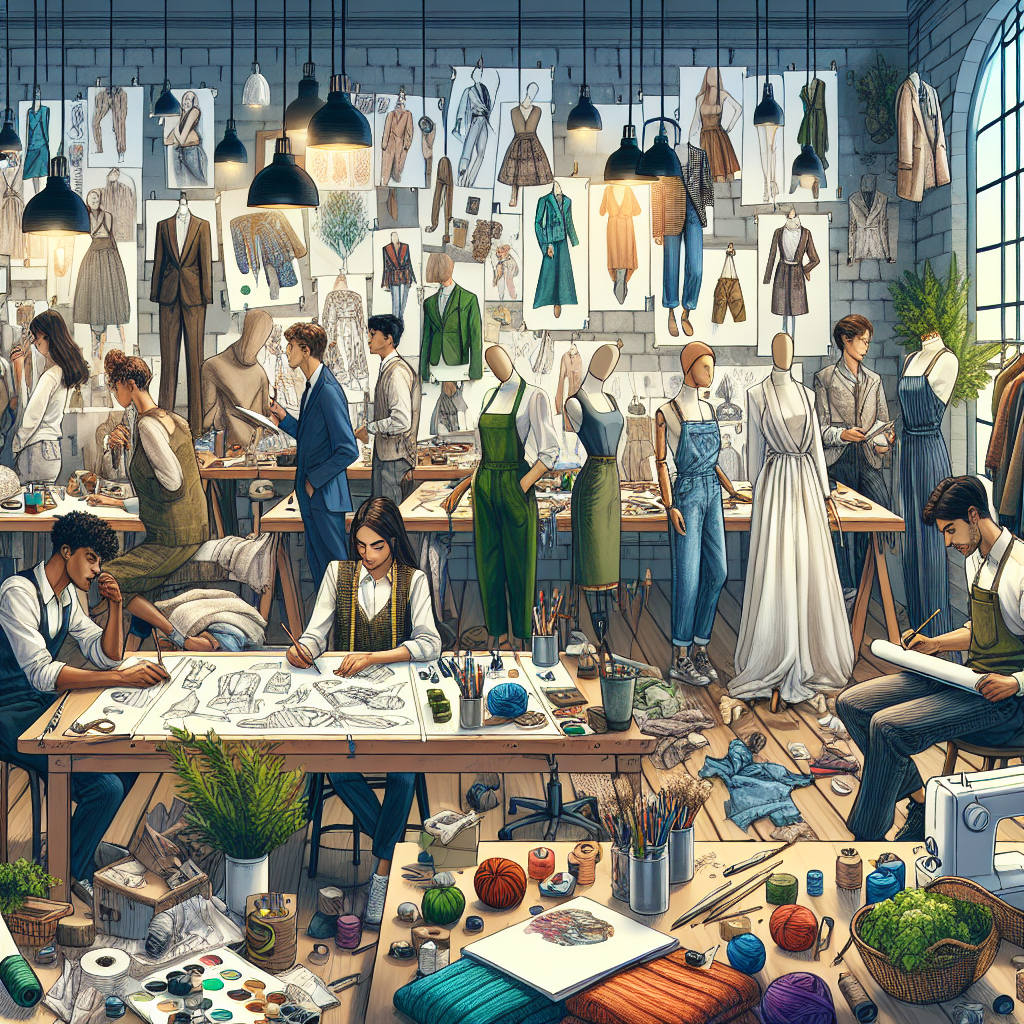
The Art of Mindful Fashion Design: Promoting Sustainability and Self-Expression
Introduction
In an era where environmental consciousness is becoming increasingly vital, the fashion industry is undergoing a transformative shift towards sustainability. Mindful fashion design is emerging as a compelling approach that not only addresses ecological concerns but also champions self-expression and individuality. This article delves into the essence of mindful fashion design, exploring its impact on sustainability and the ways in which it fosters personal expression.
Understanding Mindful Fashion Design
Mindful fashion design is an approach that emphasizes thoughtful and intentional creation processes, prioritizing environmental responsibility and ethical practices. It involves considering the entire lifecycle of a garment, from material sourcing to production and eventual disposal. This approach seeks to minimize negative impacts on the environment and society while maximizing positive contributions.
Key Principles of Mindful Fashion Design
1. Sustainable Materials: Designers are increasingly opting for eco-friendly materials such as organic cotton, hemp, and recycled fabrics. These materials reduce the reliance on non-renewable resources and minimize waste.
2. Ethical Production: Ensuring fair labor practices and safe working conditions is paramount. Mindful fashion design advocates for transparency in supply chains, ensuring that workers are treated with dignity and respect.
3. Longevity and Quality: Emphasizing durability and timeless design over fast fashion trends encourages consumers to invest in pieces that last longer, reducing the frequency of disposal.
4. Waste Reduction: Designers are implementing innovative techniques like zero-waste patterns and upcycling to minimize textile waste during production.
5. Local Sourcing: By sourcing materials and manufacturing locally, designers can reduce carbon footprints associated with transportation and support local economies.
The Role of Technology in Mindful Fashion Design
Advancements in technology are playing a pivotal role in the evolution of mindful fashion design. From 3D printing to digital pattern-making, technology is enabling designers to create with precision, reducing material waste and enhancing efficiency.
3D Printing: This technology allows for the creation of intricate designs with minimal material waste. It also offers opportunities for customization, allowing consumers to express their individuality through unique, made-to-order pieces.
Digital Pattern-Making: By utilizing digital tools, designers can experiment with patterns and designs without the need for physical prototypes, reducing fabric waste and speeding up the design process.
Blockchain Technology: This innovation is being used to enhance transparency in supply chains. By tracking the journey of a garment from raw material to finished product, consumers can make informed choices about the ethical and environmental impact of their purchases.
Promoting Self-Expression through Mindful Fashion
Mindful fashion design is not solely about environmental sustainability; it also serves as a powerful medium for self-expression. By prioritizing individuality and creativity, designers are empowering consumers to express their unique identities through fashion.
Customization and Personalization
In an age where individuality is celebrated, customization and personalization are gaining prominence. Mindful fashion design offers consumers the opportunity to tailor garments to their preferences, ensuring that each piece resonates with their personal style.
Designers are offering a range of customizable options, from choosing fabrics and colors to altering silhouettes. This approach not only enhances the consumer experience but also reduces the likelihood of garments being discarded due to lack of personal connection.
Cultural and Artistic Influences
Mindful fashion design draws inspiration from diverse cultures and artistic expressions, creating a rich tapestry of styles that reflect the global community. By incorporating traditional techniques and motifs into modern designs, designers celebrate cultural heritage while promoting inclusivity and diversity.
This fusion of cultural influences not only enriches the fashion landscape but also encourages consumers to explore and embrace different aspects of their identities.
The Impact of Mindful Fashion on Consumer Behavior
The rise of mindful fashion design is influencing consumer behavior, encouraging individuals to make more conscious choices about their clothing purchases. This shift is characterized by a growing awareness of the environmental and social implications of fashion.
Conscious Consumerism
Consumers are increasingly prioritizing quality over quantity, opting for fewer, well-made garments that align with their values. This shift towards conscious consumerism is driving demand for sustainable and ethically produced fashion.
Educated Choices
With access to information at their fingertips, consumers are becoming more informed about the impact of their fashion choices. They are seeking brands that align with their values, researching the ethical practices and sustainability initiatives of companies before making purchases.
Embracing Minimalism
The minimalist lifestyle, which advocates for simplicity and intentionality, is gaining traction in the fashion world. Mindful fashion design aligns with this philosophy, encouraging consumers to curate wardrobes that reflect their personal style while minimizing excess.
Challenges and Opportunities in Mindful Fashion Design
While the shift towards mindful fashion design is promising, it is not without its challenges. However, these challenges also present opportunities for innovation and growth within the industry.
Challenges
1. Cost: Sustainable materials and ethical production practices can be more expensive, posing a challenge for both designers and consumers.
2. Scalability: Implementing sustainable practices on a large scale can be complex, requiring significant investment and infrastructure.
3. Consumer Awareness: Despite growing awareness, there is still a need for education and advocacy to reach a broader audience.
Opportunities
1. Innovation: Challenges in mindful fashion design drive innovation, leading to the development of new materials and technologies that enhance sustainability.
2. Collaboration: Partnerships between designers, manufacturers, and consumers can foster a collective effort towards sustainability, sharing knowledge and resources.
3. Market Differentiation: Brands that embrace mindful fashion design can differentiate themselves in a competitive market by appealing to conscious consumers.
Conclusion
Mindful fashion design represents a paradigm shift in the fashion industry, prioritizing sustainability and self-expression. By embracing sustainable materials, ethical production, and innovative technologies, designers are paving the way for a more responsible and inclusive fashion future. As consumers become more conscious of their choices, the demand for mindful fashion will continue to grow, driving positive change within the industry. Through mindful fashion design, individuals can express their unique identities while contributing to a more sustainable and equitable world.
