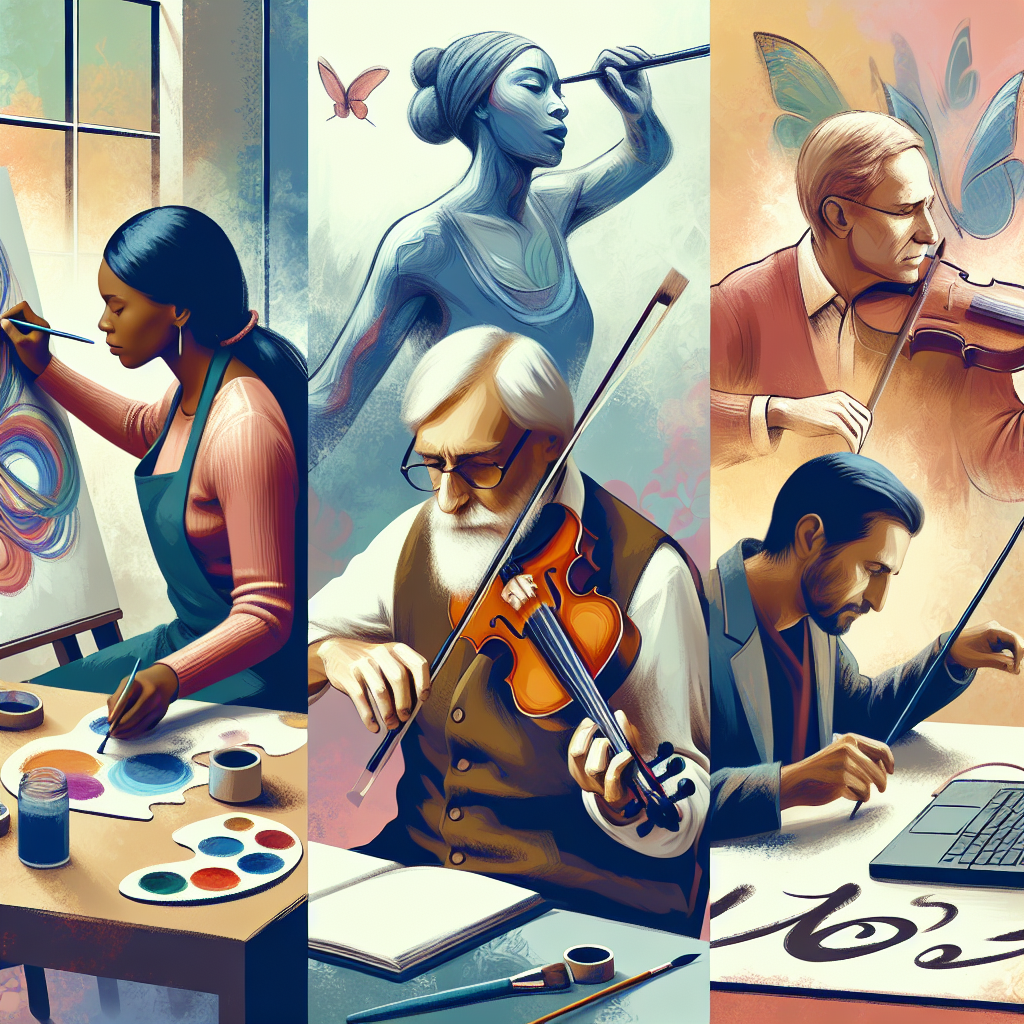
Practicing Presence Through Creative Expression
Introduction
In an increasingly fast-paced and distraction-filled world, the quest for mindfulness and presence has never been more important. While meditation and mindful living are popular routes toward achieving a sense of being in the moment, creative expression stands as a powerful, accessible, and sometimes overlooked pathway toward cultivating presence. This article delves into the rich relationship between creativity and mindfulness, explores various forms of creative expression, offers practical guidance, and underscores the transformative potential that art, music, writing, and other creative endeavors possess in helping us inhabit the present.
Understanding Presence and Its Importance
Presence involves being fully engaged in the current moment, aware of sensations, thoughts, feelings, and surroundings without being overwhelmed by them. It is the foundation of mindfulness and is often emphasized as a key to mental clarity, emotional resilience, and a fulfilling life.
The importance of presence can be summarized as follows
- Enhances emotional regulation
- Reduces stress and anxiety
- Improves concentration and productivity
- Fosters deeper relationships and empathy
- Promotes an overall sense of well-being
While mindfulness techniques like breathing exercises and traditional meditation are well-known, many people find that engaging in creative pursuits offers a doorway to presence that feels more natural or enjoyable.
The Link Between Creativity and Mindfulness
Engaging in creative expression provides a structure for focused attention, allowing the mind to settle into a state of flow. In this flow state, distractions fade, self-consciousness decreases, and the individual becomes immersed in the act of creating. This natural immersion is akin to experiencing mindfulness without striving.
Key parallels between creativity and presence include
- Focused attention on the task at hand
- Acceptance of imperfection and process over outcome
- Openness to new experiences and experimentation
- Nonjudgmental awareness of thoughts and emotions that arise
Through these qualities, creativity becomes a practice ground for presence. Whether painting, writing poetry, playing an instrument, or dancing, the act itself demands and encourages mindfulness.
Forms of Creative Expression That Foster Presence
Creative expression is not limited to the fine arts. It spans a diverse range of activities, each offering unique avenues for practicing presence.
Visual Arts
Painting, drawing, sculpting, and even simple doodling call for observation, patience, and a willingness to let go of self-judgment. Engaging with colors, shapes, and textures anchors the mind in sensory experience. The tactile nature of these activities often brings immediate feedback, gently guiding the creator back to the present whenever the mind wanders.
Music and Sound
Playing an instrument, singing, or listening attentively to music harnesses the power of rhythm, melody, and harmony. Musicians describe a sense of timelessness when they are deeply engaged with their instrument. Even non-musicians can practice mindful listening by focusing on how particular sounds affect their mood or by noting the layers and nuances in a piece.
Writing and Storytelling
Journaling, poetry, short stories, or stream-of-consciousness writing all invite present moment awareness. When crafting words, attention shifts to sensations, memories, and inner narratives. The blank page becomes a receptive space for honest self-expression and exploration.
Movement and Dance
Movement-based practices like dance and improvisational theater draw attention into the body and breath. These activities encourage spontaneity, embodiment, and emotional release, channeling awareness through physical motion. Participants often report the sensation of “losing themselves” in the music and movement, a hallmark of being fully present.
Crafts and Hobbies
Knitting, woodworking, gardening, or cooking are forms of creative expression that encourage patience and attentiveness. The hands-on engagement with physical materials, textures, and processes naturally orients attention to the here and now, providing both productive output and mindful practice.
Digital Creativity
Graphic design, digital illustration, photography, and creative coding offer newer routes for self-expression. While screen-based creativity carries the risk of digital distraction, approaching these activities with intention and periodic pauses enables mindful presence just as with traditional forms.
The Science Behind Creative Mindfulness
Scientific research increasingly supports the connection between creativity and mindfulness. Studies suggest that creative activities
- Reduce cortisol, the stress hormone, contributing to overall calmness
- Enhance connectivity between brain regions involved in emotion and attention regulation
- Lead to increased production of dopamine, a neurotransmitter associated with pleasure and reward
- Improve resilience to daily stressors and emotional challenges
- Support neuroplasticity, allowing the brain to adapt and rewire in positive ways
Through these mechanisms, creative expression augments the effects of more structured mindfulness practices, providing an accessible route to well-being for people of all ages.
Overcoming Barriers and Self-Judgment
For many, the greatest obstacle to creative presence is the inner critic. Persistent societal myths equate creativity with innate talent or perfection, discouraging participation by fostering fear of inadequacy. However, presence through creativity is not about the quality of the final product but rather the quality of attention and engagement brought into the process.
To overcome these barriers
- Release expectations and embrace the spirit of play
- Cultivate curiosity about the experience instead of focusing on outcomes
- Remind yourself that everyone is inherently creative in their own unique way
- Consider setting a timer for short, pressure-free creative sessions
Shifting focus from comparison to curiosity fosters a supportive internal dialogue and opens the door to mindful exploration.
Practical Strategies for Practicing Presence through Creative Expression
Integrating creative presence into daily life does not require significant investments of time or resources. The following strategies provide concrete starting points
Set a Mindful Intention
Before beginning a creative activity, take a few moments to ground yourself. This can be as simple as closing your eyes, taking several deep breaths, and noting your intention to approach the task with open awareness.
Use Sensory Anchors
Engage the senses fully. Pay close attention to colors, scents, sounds, or the tactile sensations of materials. Whenever you notice your mind drifting, gently bring it back by focusing on a sensory detail.
Embrace the Process
View the creative act as a journey rather than a destination. Allow mistakes and unexpected outcomes to become sources of learning. This mindset helps release perfectionism and fosters acceptance.
Incorporate Reflection
After completing a creative session, spend a few minutes journaling or contemplating the experience. Consider what you noticed, how the process felt, and whether it altered your mood or perspective.
Create a Supportive Environment
Dedicate a physical or mental space for creative exploration where judgment and distractions are minimized. This could be a corner of a room, a regular time slot, or a family activity night.
Integrate Micro-Creativity
When time is limited, seek opportunities for brief creative moments. Doodle during a work break, compose a short haiku on your phone, or improvise a melody while commuting. Consistent small acts compound to support ongoing presence.
Combining Artistic Expression with Traditional Mindfulness
For those already practicing mindfulness, creative expression can deepen and enrich the experience. Consider blending the two approaches
Mindful Drawing or Coloring
Use a coloring book or blank paper as a focus object during meditation. Pay attention to the sensation and repetition of coloring or drawing, noticing thoughts or emotions without attachment.
Music and Breath
Combine deep breathing exercises with listening to gentle music, allowing each inhale and exhale to align with the rhythm. This synergy enhances sensory awareness and emotional regulation.
Movement Meditation
Practice mindful walking, yoga, or free movement, channeling full attention into each gesture and bodily sensation.
Writing Meditation
Begin a meditation session with stream-of-consciousness writing, using the pen to process restless thoughts and prepare for deeper stillness.
Benefits of Practicing Presence Through Creative Expression
Individuals who regularly engage in mindful creative practices often report
- Reduced rumination and anxiety
- Greater joy and satisfaction in everyday activities
- Heightened self-awareness and emotional clarity
- Improved problem-solving and adaptability
- A sense of meaning and connection to self and others
Moreover, creative presence need not be solitary. Engaging in group art projects, music circles, or writing workshops can foster community, mutual understanding, and collective mindfulness.
Nurturing Creativity in Different Life Stages
The practice of presence through creative expression adapts to diverse ages and life circumstances.
Children
Encouraging open-ended play, art, and storytelling helps children develop attention skills, emotional intelligence, and a lifelong appreciation for creativity.
Adults
Whether rediscovering lost hobbies or exploring new ones, adults benefit from carving out time for creative presence amid work and family responsibilities.
Older Adults
Creative activities support cognitive health, memory, and social engagement for older adults. Gentle pursuits such as watercolor painting, gardening, or singing in a choir offer opportunities for presence and joy.
Conclusion
Practicing presence through creative expression offers a meaningful and enjoyable path to mindfulness that is accessible to all. By embracing the process, letting go of outcome-based judgments, and engaging the senses, individuals can discover the transformative power of creativity in daily life. Whether through painting, music, writing, movement, or crafts, intentionally creative moments enrich awareness, sharpen attention, and deepen connection to oneself and others. In a world filled with noise and distraction, creative presence is both a refuge and a source of renewal, inviting us to return again and again to the experience of now.
