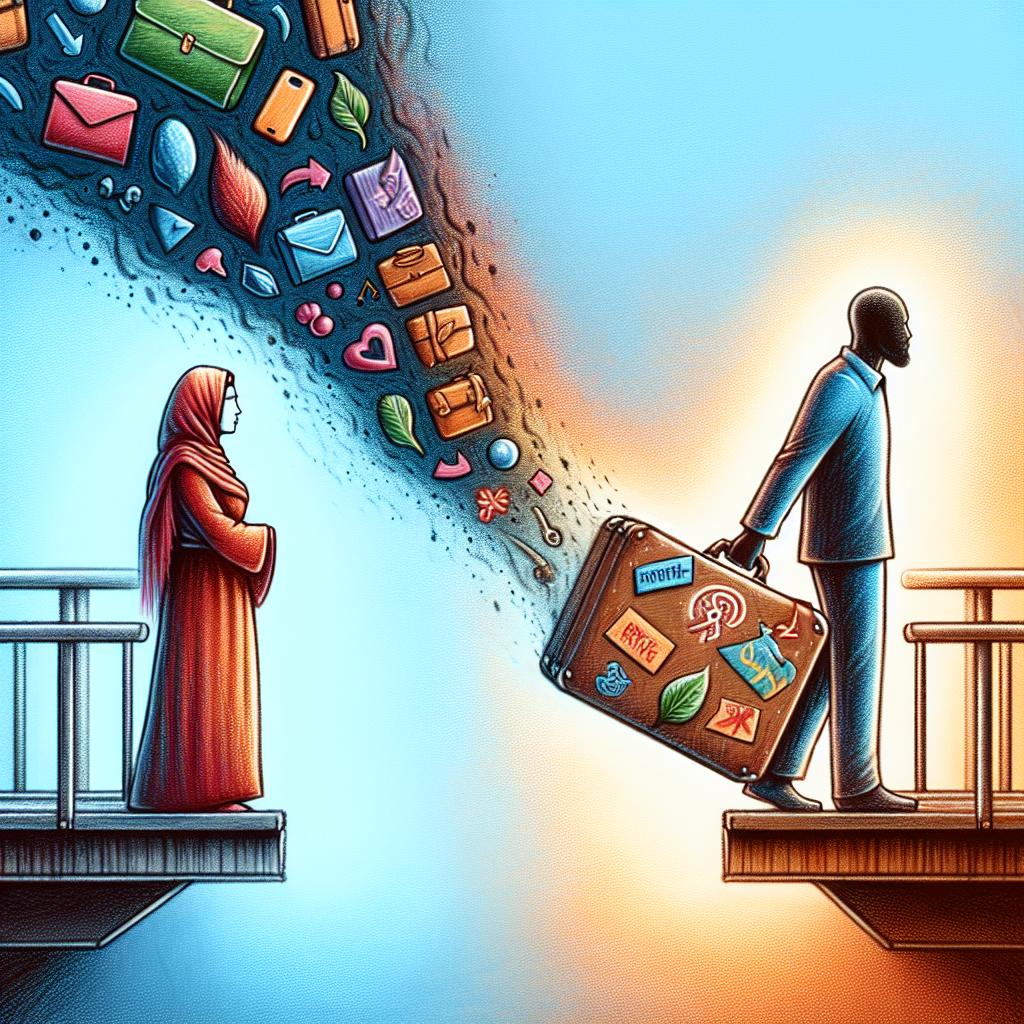
Letting Go of Emotional Baggage: A Transformative Guide
Understanding Emotional Baggage
Emotional baggage refers to unresolved feelings, experiences, and thoughts from the past that continue to impact our present behavior and state of mind. These emotional remnants may stem from various sources such as childhood experiences, failed relationships, traumatic events, or unmet expectations. Emotional baggage can shape our outlook, influence our reactions, and affect our relationships, potentially leading to stress, anxiety, or even depression.
Recognizing the Symptoms of Emotional Baggage
Before you can embark on the journey to letting go, it is essential to identify signs of emotional baggage in your life. Common symptoms may include
Difficulty trusting others or forming new relationships
Recurring negative thoughts about past events
Frequent feelings of guilt, anger, or regret
Avoidance of certain people or situations
Trouble expressing emotions effectively
Patterns of self-sabotage
If any of these signs resonate, you may be carrying emotional weight that needs to be released.
The Importance of Letting Go
Holding on to past hurt and disappointment prevents you from fully embracing the present and future. The inability to let go can impact
Personal relationships
Mental and emotional well-being
Professional success
Overall quality of life
Learning how to release emotional baggage is not about forgetting your past but accepting it as a part of your growth and moving forward with clarity and purpose.
Beginning the Journey of Letting Go
Letting go of emotional baggage is a gradual process requiring self-awareness, patience, and consistent effort. Here is a structured approach to guide you.
- Cultivate Self-Awareness
Self-awareness is the foundation of emotional healing. Begin by reflecting on how your past influences your present thoughts and actions. Journaling is an effective tool for this process. Take time to record your feelings about past events each day. Notice recurring themes or triggers that stir strong emotions. This step helps identify the specific experiences or memories you need to address.
- Accept Your Emotions Without Judgment
Suppressing or denying emotions only intensifies them over time. Allow yourself to feel anger, pain, sadness or regret without guilt or shame. Remember, emotions are natural responses to past experiences. Acknowledge what you feel, and give yourself permission to experience those emotions fully. Consider meditation or mindfulness exercises to stay present with your feelings and observe them without being overwhelmed.
- Challenge Harmful Beliefs
Emotional baggage often stems from rigid or negative beliefs about yourself or others that formed in response to painful situations. Take time to question such beliefs. Ask yourself whether these thoughts are objectively true or simply a product of past hurt. Replace self-defeating statements with compassionate, realistic alternatives. Cognitive-behavioral techniques can be especially helpful in this stage.
- Seek Forgiveness: Others and Yourself
At the heart of emotional baggage lies unresolved resentment, either towards others or oneself. Forgiveness does not imply condoning harmful actions but involves releasing the hold that anger or blame has over you.
Begin by acknowledging exactly what hurts you carry. Consider writing a letter to the person involved, expressing your feelings, whether or not you choose to send it. Reflect on offering yourself forgiveness for mistakes or regrets in your past. Self-forgiveness creates a sense of freedom and self-acceptance, paving the way for personal growth.
- Focus on the Present
Emotional baggage keeps you anchored to the past. Remind yourself that your present circumstances differ from previous experiences. Stay engaged with your surroundings and relationships as they are now. Mindfulness practices, like deep breathing or body scans, can help ground you in the current moment, reducing rumination on what has already occurred.
- Practice Gratitude
Gratitude shifts focus from what went wrong to what is positive or rewarding in your life. Take note of the moments, people, or opportunities that add value to your present. Keeping a gratitude journal can reinforce affirming thoughts, making it easier to release negative emotions that have accumulated over time.
- Develop Healthy Coping Strategies
When emotional pain arises, it is crucial to respond with compassion and healthy coping mechanisms
Engage in regular physical activity, such as yoga or walking
Connect with supportive friends or family
Pursue hobbies that foster creativity and self-expression
Consider professional support if you feel stuck
Replacing avoidance or self-destructive habits with adaptive strategies builds resilience to emotional challenges.
- Seek Professional Help When Needed
Sometimes, emotional wounds run deep and require the guidance of a mental health professional. Therapists and counselors are trained to provide safe spaces for exploration and healing. Therapy approaches such as cognitive-behavioral therapy, acceptance and commitment therapy or eye movement desensitization and reprocessing can help address deep-seated issues. Reaching out for help is a sign of strength and a step toward reclaiming your emotional well-being.
Maintaining Emotional Freedom
Letting go of emotional baggage is not a one-time event but an ongoing commitment to emotional well-being. Once you have started this journey, maintain your progress with consistent self-care and reflection. A few helpful practices include
Setting healthy boundaries in relationships
Continuing self-reflection and journaling
Regularly revisiting goals and intentions
Celebrating successes, big and small
Adapting to setbacks with patience and kindness
By staying committed to these habits, you reinforce your ability to manage new challenges without accumulating additional emotional weight.
Common Obstacles to Letting Go and How to Overcome Them
While the desire to move forward is strong, several common barriers can hinder progress. Understanding and addressing them is essential for success
Fear of the Unknown
Change can be intimidating, especially when the past feels familiar despite its pain. Remind yourself that growth often requires stepping outside your comfort zone.
Attachment to Identity
Sometimes, people become attached to their pain, allowing it to define who they are. Challenge the belief that suffering is a necessary part of your identity and reaffirm your strengths and resilience.
Lack of Support
Isolation can make it hard to process and release deep emotions. Reaching out to friends or support groups creates an environment of shared healing and encouragement.
Difficulty Accepting Loss
Grieving the past is natural and necessary. Allow yourself to mourn what you have lost, knowing that acceptance will gradually bring peace and new opportunities.
Subconscious Patterns
Some emotional baggage is deeply ingrained and may act as an automatic response to triggers. Awareness and professional guidance can assist in rewiring these patterns over time.
Building a Future Unburdened by the Past
Releasing emotional baggage is a personal journey that leads to greater self-awareness, freedom, and happiness. With patience, compassion, and proactive steps, it is possible to heal from the wounds of the past and step confidently into a future defined by growth and fulfillment.
Benefits of Letting Go
Improved mental clarity and focus
Strengthened relationships through trust and openness
Enhanced resilience to future challenges
Increased self-esteem and self-worth
A greater sense of inner peace
Ultimately, letting go is more than a process; it is a transformative experience that allows you to truly enjoy life without the constraints of old wounds. By dedicating yourself to this journey, you make space for new experiences and a deeper sense of self-acceptance.
Closing Thoughts
Letting go of emotional baggage is not easy, but it becomes possible with conscious awareness, compassion, and support. Every person carries some form of burdens from their past. The decision to release them signals a powerful commitment to your well-being and happiness.
As you embrace these changes, remember to move at your own pace, celebrate your achievements, and seek assistance when needed. Your journey is unique, and each step forward brings you closer to the life you deserve.
