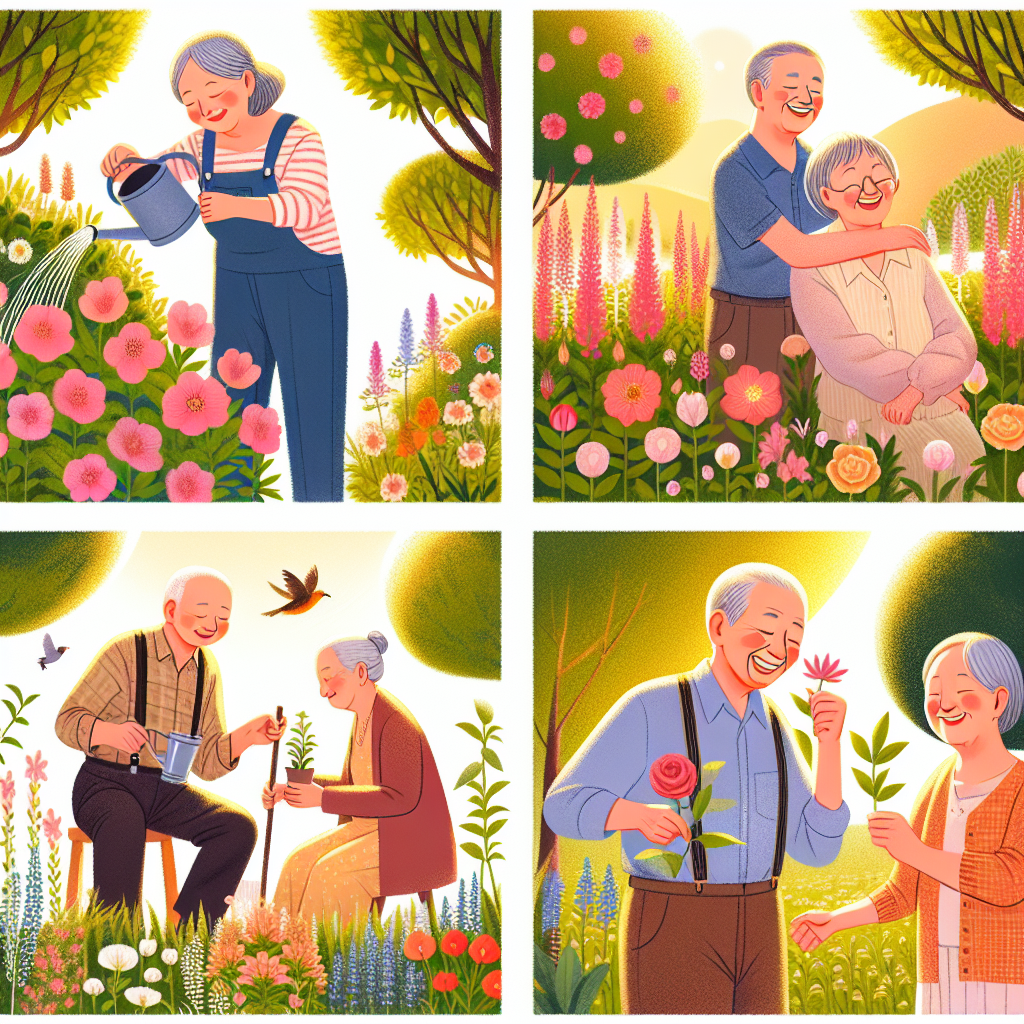
**Finding Happiness in Aging: Embracing the Later Stages of Life**
As we advance along life’s winding path, the aging process is an inevitable journey that each one of us will experience. This stage of life is often met with mixed emotions—an underlying fear of the unknown can intertwine with a profound appreciation for the wisdom garnered through years. Contrary to the prevalent societal narrative that depicts aging as a phase to be battled, the golden years can be a period of unparalleled happiness and contentment. However, embracing this stage with open arms requires a mindset shift—one that recognizes the later stages of life as an opportunity for growth and fulfillment.
**Understanding the Aging Process**
Before diving into the ways to find happiness in aging, let us take a moment to understand the biological, psychological, and social dimensions of aging. Biologically, our bodies go through changes such as a slowdown in metabolism, a decrease in muscle mass, and alterations to our sensory perceptions. Psychologically, aging can affect our cognitive abilities and might challenge our mental health, particularly if faced with physical health issues. Socially, retirement, loss of loved ones, and shifts in familial roles can impact our sense of purpose and belonging.
**The Psychology Behind Aging and Happiness**
Research suggests that despite the challenges associated with growing older, many individuals report feeling a greater sense of satisfaction and well-being in their later years. Known as the paradox of aging, this phenomenon is thought to stem from the fact that older adults often have a clearer understanding of their own mortality, leading to a focus on the present moment and a prioritization of meaningful experiences and relationships.
– Enhanced Emotional Regulation: With age comes the ability to manage emotions more effectively, steering away from negativity and towards positive experiences.
– Sense of Accomplishment: Many reflect on their accomplishments and the lives they’ve built, finding satisfaction and purpose in their legacy.
– Greater Appreciation for Relationships: As time becomes increasingly valuable, nurturing quality relationships takes precedence, often leading to deeper connections.
**Shifting Perspectives on Aging**
Embracing happiness as we age requires a shift in how we view the later years of life. Let’s consider some strategies that can contribute to this shift:
– Dispelling Myths and Negative Stereotypes: Challenge the stigmas of aging by focusing on the experiences and capabilities of seniors rather than their limitations.
– Accepting Change as a Part of Life: Understand that change is a constant, and adaptability is key to finding contentment at any age.
– Emphasizing Capability Over Decline: Recognize the strengths and abilities that come with experience and focus on what can be done rather than what can’t.
**Cultivating a Joyful Lifestyle in Our Senior Years**
The actions we take and the mindset we cultivate can have a profound impact on our overall happiness. Here are some practical ways older adults can enhance their joy and satisfaction:
– Engaging in Regular Physical Activity: Exercise has been proven to boost mood, improve health, and increase longevity. Activities such as walking, swimming, or tailored fitness programs can benefit both the body and the mind.
– Prioritizing Social Connections: Maintaining strong social ties is crucial for emotional support and cognitive health. Whether it’s rekindling old friendships or building new ones, staying socially active is vital.
– Pursuing Lifelong Learning: The pursuit of new knowledge and skills keeps the mind sharp and promotes a sense of accomplishment and growth.
– Embracing Creativity and Hobbies: Creative outlets such as painting, writing, or playing music provide opportunities for self-expression and intellectual stimulation.
– Practicing Mindfulness and Gratitude: Focusing on the present moment and appreciating the good in life can lead to greater contentment and well-being.
**Leveraging Technology to Enhance Quality of Life**
Advancements in technology have opened up numerous avenues through which seniors can enrich their lives and stay connected:
– Virtual Learning and Entertainment: Online courses and digital media offer endless resources for education and entertainment.
– Telehealth and Health Monitoring: These services provide convenient access to healthcare, supporting physical well-being from the comfort of one’s home.
– Social Media and Communication Tools: Platforms such as video calls and messaging apps help maintain important relationships despite physical distances.
**Navigating the Challenges of Aging with Resilience**
While the path to happiness in aging is not without its obstacles, resilience and adaptability are key traits that can help navigate these challenges:
– Coping with Loss and Grief: Developing healthy coping mechanisms and seeking support allows one to process grief in a way that eventually leads to healing.
– Adapting to Physical Changes: Adopting accommodations and utilizing aids can empower seniors to maintain independence despite physical limitations.
– Addressing Mental Health: Accessing resources and support for mental wellness is critical, as is reducing the stigma around seeking help.
**Fostering a Supportive Community Environment**
Creating a society that values and supports its aging members is fundamental to the well-being of seniors:
– Advocating for Age-Friendly Policies: Push for community planning and policies that consider the needs of older adults, such as accessible public spaces and transportation.
– Encouraging Intergenerational Programs: Opportunities for younger and older generations to connect can promote mutual learning and understanding.
– Volunteering and Civic Engagement: These avenues give seniors a sense of purpose and allow them to contribute their wealth of experience and knowledge to society.
**Embracing the Wisdom of Elderships**
Beyond just living longer, aging brings with it a treasure trove of wisdom and insight:
– Valuing Life Lessons: Seniors have a unique perspective, having lived through diverse experiences, challenges, and successes.
– Mentoring the Younger Generations: Passing on wisdom and knowledge to younger individuals benefits both the mentor and the mentee.
– Being Role Models for Aging Gracefully: By living fulfilling and active lives, seniors can inspire others to view aging as a positive chapter.
**Conclusion**
Finding happiness in aging is both a personal quest and a societal imperative. As individuals, cultivating joy in the later stages of life requires a conscious effort to engage in activities that nourish the mind, body, and soul. Embracing change, focusing on abilities, and remaining connected with others all play pivotal roles in sparking happiness as we age. Concurrently, society must evolve to not only accommodate but also celebrate the contributions and worth of its elder members. In the symphony of life, the later years can emerge as the most harmonious and enriching movement—a privilege to be savored, replete with melodies of wisdom, contentment, and fulfillment.
