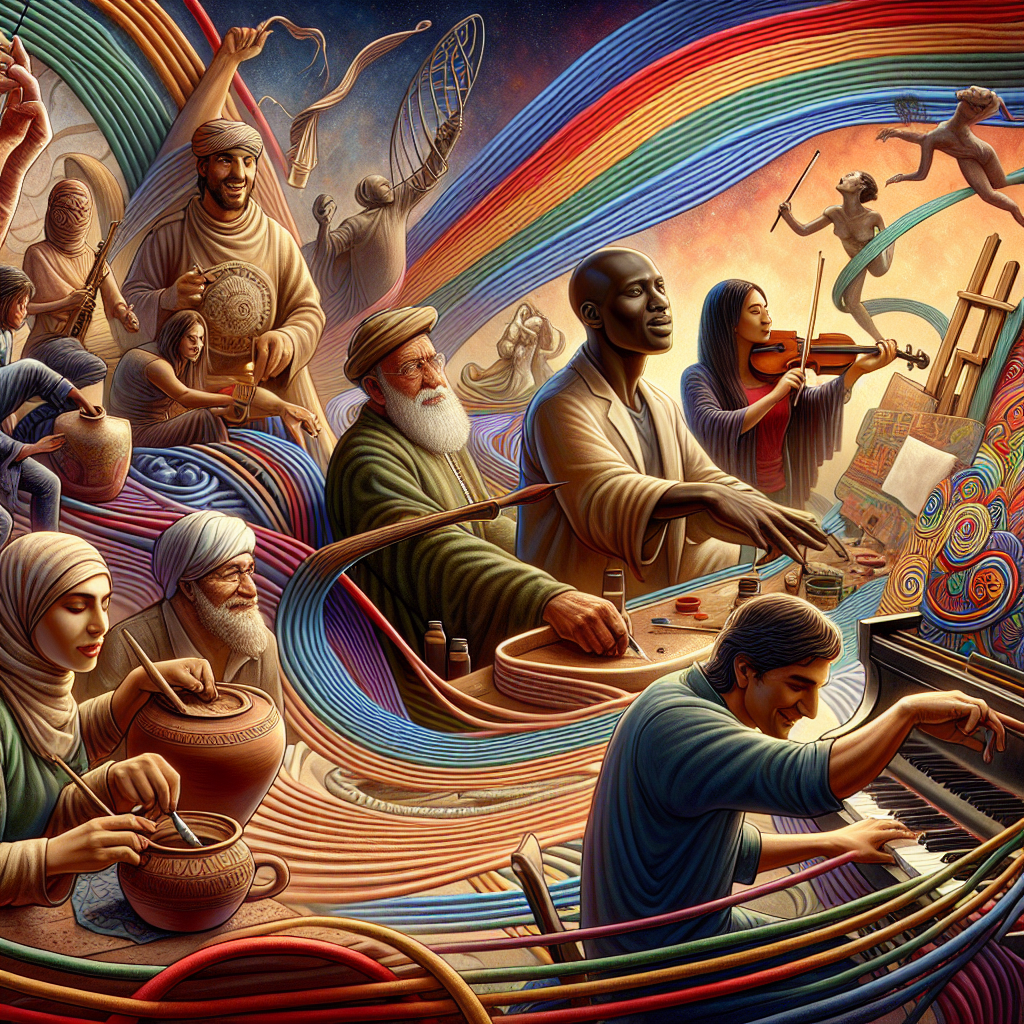
Finding Fulfillment in Acts of Creativity: Exploring Your Artistic Potential
Introduction
In a world increasingly dominated by technology and efficiency, the pursuit of creativity often takes a backseat. Yet, engaging in creative activities is not merely a pastime; it is a vital component of human fulfillment and self-discovery. Whether through painting, writing, music, or any other form of artistic expression, creativity offers a unique pathway to explore one’s potential, enrich personal development, and enhance overall well-being. This article delves into the significance of creativity, the diverse ways individuals can tap into their artistic potential, and the profound impact creativity can have on personal and professional life.
The Importance of Creativity
Creativity is an inherent human trait that transcends cultural and geographical boundaries. It is the ability to generate new ideas, solutions, and expressions that are both original and valuable. Creativity is essential for several reasons:
– **Personal Growth**: Engaging in creative activities fosters self-awareness, emotional expression, and cognitive flexibility. It encourages introspection and self-reflection, leading to personal growth.
– **Problem-Solving**: Creativity enhances problem-solving skills by enabling individuals to view challenges from multiple perspectives and devise innovative solutions.
– **Stress Reduction**: Creative endeavors provide an outlet for stress relief, promoting relaxation and mental well-being.
– **Cultural Enrichment**: Creativity contributes to cultural diversity and richness, allowing for the sharing of ideas, traditions, and stories across generations.
Exploring Your Artistic Potential
Discovering and nurturing one’s artistic potential is a journey that requires exploration, experimentation, and an open mind. Here are some steps to help individuals embark on this creative journey:
1. **Identify Your Interests**
Begin by exploring different forms of art to identify what resonates with you. This could include:
– Visual arts such as painting, drawing, or photography
– Performing arts like music, dance, or theater
– Literary arts including writing poetry, fiction, or essays
– Craft arts such as pottery, knitting, or woodworking
2. **Set Aside Time for Creativity**
Dedicate regular time to engage in creative activities. Consistency helps in developing skills and discovering new aspects of your artistic abilities.
3. **Create a Conducive Environment**
Designate a space that inspires creativity, whether it is a quiet corner for writing or a well-lit studio for painting. An organized and inspiring environment can significantly impact your creative output.
4. **Embrace Experimentation**
Do not be afraid to experiment with different mediums and styles. Creativity thrives on exploration and the willingness to take risks.
5. **Seek Inspiration**
Draw inspiration from various sources such as nature, art exhibitions, books, or music. Exposure to diverse stimuli can spark new ideas and enhance creativity.
6. **Engage with a Community**
Join creative communities or groups where you can share your work, receive feedback, and collaborate with others. Engaging with like-minded individuals can provide motivation and broaden your creative horizons.
7. **Reflect and Iterate**
Regularly reflect on your creative journey. Consider what you have learned, the progress you have made, and areas for improvement. Iteration is key to honing your artistic skills.
The Impact of Creativity on Personal Life
Engaging in creative activities has a profound impact on personal life, offering numerous benefits that contribute to overall well-being:
– **Emotional Expression**: Creativity provides a safe space for expressing emotions and experiences that might be difficult to articulate verbally. This can lead to improved emotional health and resilience.
– **Enhanced Self-Esteem**: Successfully creating something can boost self-esteem and confidence. The process of bringing an idea to life reinforces a sense of accomplishment and self-worth.
– **Mindfulness and Presence**: Creative activities often require focus and concentration, promoting mindfulness and presence. This can lead to reduced anxiety and an increased sense of calm.
– **Connection and Communication**: Art serves as a universal language that transcends barriers, facilitating connection and communication with others. Sharing creative works can foster empathy and understanding.
The Role of Creativity in Professional Life
Creativity is not confined to the realm of personal hobbies; it is a valuable asset in the professional world as well. Here are some ways creativity enhances professional life:
– **Innovation and Adaptability**: In an ever-changing business landscape, creativity drives innovation and adaptability. It enables professionals to develop unique solutions and adapt to new challenges.
– **Effective Communication**: Creative thinking enhances communication skills, allowing professionals to convey ideas more effectively and engage their audience.
– **Leadership and Teamwork**: Creative leaders inspire their teams by encouraging out-of-the-box thinking and fostering a collaborative environment. Creativity in leadership promotes a culture of innovation and continuous improvement.
– **Career Satisfaction**: Engaging in creative tasks at work can lead to greater job satisfaction and fulfillment. Professionals who incorporate creativity into their roles often experience increased motivation and engagement.
Overcoming Creative Blocks
Creative blocks are a common challenge faced by individuals pursuing artistic endeavors. These blocks can stem from self-doubt, fear of failure, or external pressures. Here are some strategies to overcome creative blocks:
1. **Practice Self-Compassion**
Be kind to yourself and acknowledge that creative blocks are a natural part of the creative process. Avoid self-criticism and allow yourself the freedom to make mistakes.
2. **Change Your Environment**
Sometimes a change of scenery can reignite creativity. Take a walk, visit a new place, or rearrange your workspace to gain a fresh perspective.
3. **Limit Distractions**
Identify and minimize distractions that hinder your creative flow. This could involve setting boundaries with technology or creating a dedicated time for uninterrupted creative work.
4. **Engage in Creative Exercises**
Participate in exercises that stimulate creativity, such as brainstorming sessions, free writing, or drawing prompts. These activities can help break through mental barriers and generate new ideas.
5. **Seek Feedback and Collaboration**
Share your work with trusted peers or mentors who can provide constructive feedback. Collaborating with others can introduce new ideas and perspectives, revitalizing your creative process.
Conclusion
Creativity is a powerful force that enriches both personal and professional life. By exploring and nurturing one’s artistic potential, individuals can find fulfillment, enhance well-being, and contribute to a vibrant and diverse cultural landscape. Whether through painting, writing, music, or any other form of artistic expression, creativity offers a unique pathway to self-discovery and personal growth. Embrace the journey of creativity, and uncover the endless possibilities it holds for enriching your life.
