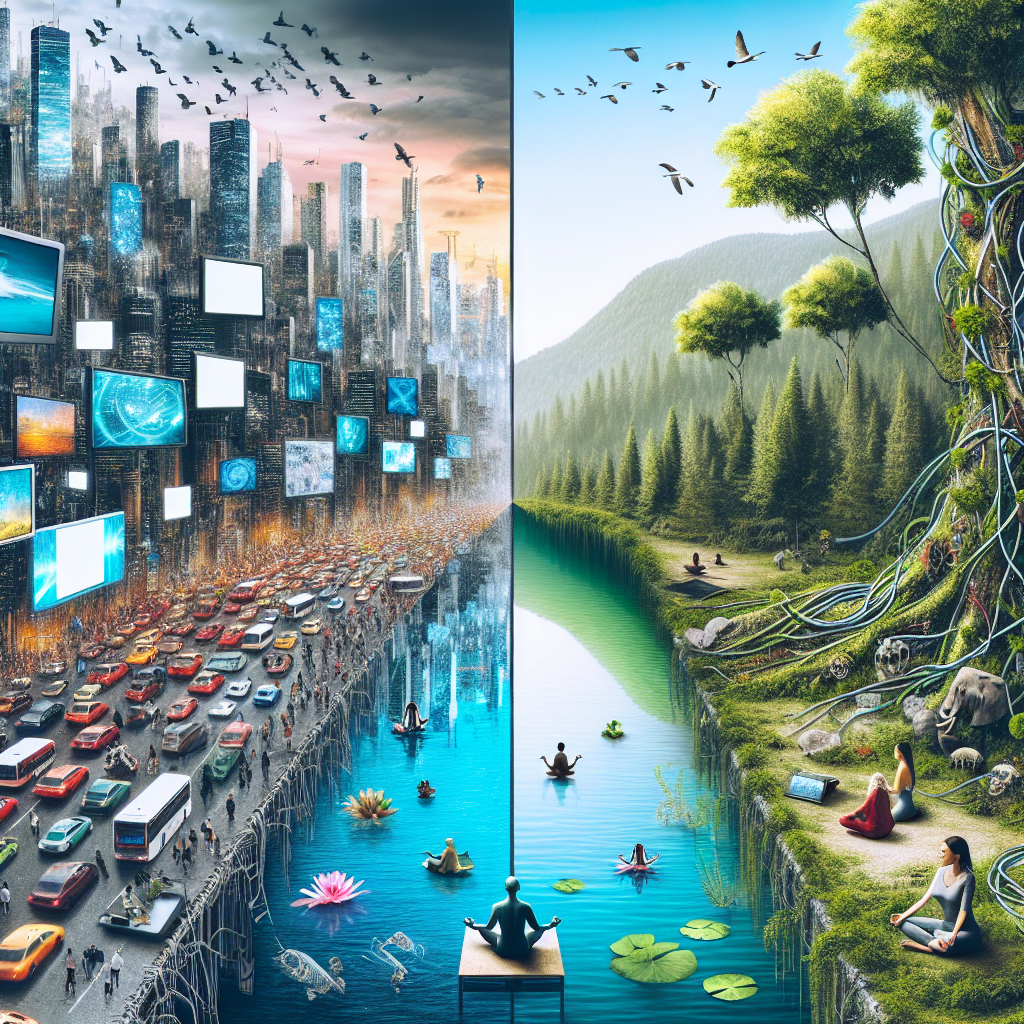
Finding Balance in a Fast-Paced Digital World: Strategies for Well-Being
Introduction
In today’s fast-paced digital world, the constant barrage of information, notifications, and digital interactions can be overwhelming. While technology has brought unprecedented convenience and connectivity, it has also blurred the lines between work and personal life, leading to stress and burnout. Finding balance in this digital age is crucial for maintaining well-being and achieving a fulfilling life. This article explores strategies for navigating the challenges of the digital world while prioritizing mental, emotional, and physical health.
The Impact of the Digital World on Well-Being
The digital revolution has transformed how we live and work. However, this transformation comes with its own set of challenges. Understanding the impact of the digital world on well-being is the first step toward finding balance.
Constant Connectivity and Stress
The expectation of being constantly available through emails, messages, and social media can lead to heightened stress levels. The inability to disconnect from work-related tasks and social obligations can erode personal time and increase anxiety.
Information Overload
The sheer volume of information available online can be overwhelming. This overload can lead to decision fatigue, reduced productivity, and difficulty concentrating on important tasks.
Social Media and Comparison
While social media platforms offer opportunities for connection, they can also foster unhealthy comparisons and feelings of inadequacy. The curated nature of social media can create unrealistic standards, impacting self-esteem and mental health.
Strategies for Achieving Balance
Achieving balance in a fast-paced digital world requires intentional strategies. By setting boundaries, prioritizing self-care, and embracing mindful technology use, individuals can regain control over their lives and enhance their well-being.
Setting Boundaries
Establishing clear boundaries between work and personal life is essential for reducing stress and preventing burnout.
– Define Work Hours: Clearly define work hours and communicate them to colleagues and supervisors. Avoid checking work emails or messages outside these hours to maintain a healthy work-life balance.
– Designate Tech-Free Zones: Create spaces in your home where technology is not allowed, such as the bedroom or dining area. This encourages face-to-face interactions and fosters relaxation.
– Schedule Digital Detoxes: Regularly schedule periods of time away from digital devices. Use this time to engage in activities that promote relaxation and creativity, such as reading, exercising, or spending time in nature.
Prioritizing Self-Care
Self-care is a vital component of maintaining well-being in a digital world. Prioritizing physical, mental, and emotional health can help individuals better cope with the demands of modern life.
– Physical Activity: Regular physical activity is essential for reducing stress and improving overall health. Incorporate exercise into your daily routine, whether through a morning jog, yoga session, or evening walk.
– Mindfulness and Meditation: Practicing mindfulness and meditation can help individuals stay grounded and present. These practices reduce stress, enhance focus, and promote a sense of calm.
– Adequate Sleep: Prioritize sleep by establishing a consistent bedtime routine and creating a sleep-friendly environment. Avoid using electronic devices before bed to improve sleep quality.
Mindful Technology Use
Embracing mindful technology use involves being intentional about how and when technology is used. This approach can enhance productivity and reduce the negative impact of digital devices on well-being.
– Limit Screen Time: Set daily limits for screen time on devices and applications. Use apps that track and manage screen time to ensure adherence to these limits.
– Curate Digital Content: Be selective about the content consumed online. Unfollow accounts that do not add value or promote negativity, and subscribe to content that inspires and educates.
– Practice Digital Mindfulness: Engage in activities that promote digital mindfulness, such as digital journaling or reflective writing. This practice encourages self-awareness and helps individuals understand their relationship with technology.
The Role of Digital Well-Being Tools
Several digital well-being tools and applications are available to help individuals manage their technology use and maintain balance. These tools provide insights and support for healthier digital habits.
Time Management Apps
Time management apps help individuals organize their tasks and prioritize their time effectively. By setting reminders and deadlines, these apps reduce the stress associated with managing multiple responsibilities.
Focus and Productivity Tools
Focus and productivity tools, such as website blockers and focus timers, assist in minimizing distractions and enhancing concentration. These tools enable individuals to work efficiently without succumbing to digital interruptions.
Wellness and Meditation Apps
Wellness and meditation apps offer guided sessions for relaxation, mindfulness, and stress reduction. These apps provide accessible resources for individuals seeking to incorporate mindfulness practices into their daily routines.
The Importance of Digital Literacy
Digital literacy is the ability to navigate, evaluate, and create information using digital technologies. Enhancing digital literacy is crucial for making informed choices about technology use and understanding its impact on well-being.
Understanding Digital Footprints
Being aware of one’s digital footprint is essential for maintaining privacy and security online. Individuals should regularly review their online presence and adjust privacy settings to protect personal information.
Recognizing Misinformation
The prevalence of misinformation online necessitates critical thinking skills. Individuals should verify sources and cross-check information to avoid falling victim to false or misleading content.
Developing Healthy Digital Habits
Healthy digital habits involve using technology in a way that aligns with personal values and goals. By fostering these habits, individuals can harness the benefits of technology while minimizing its drawbacks.
Conclusion
Finding balance in a fast-paced digital world is a dynamic process that requires conscious effort and adaptability. By setting boundaries, prioritizing self-care, embracing mindful technology use, and enhancing digital literacy, individuals can navigate the challenges of the digital age while maintaining their well-being. As technology continues to evolve, staying informed and proactive about its impact on our lives will be essential for leading a balanced and fulfilling life.
