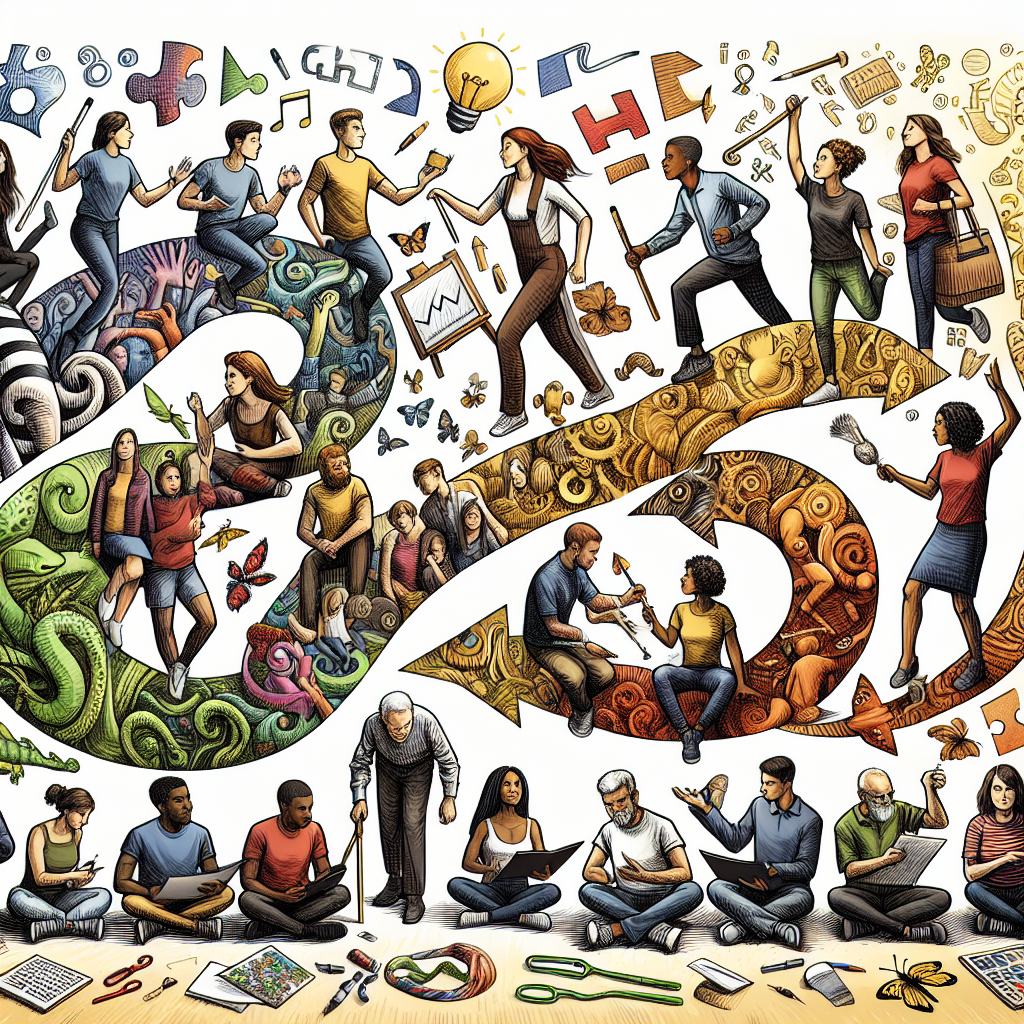
Embracing Change: How to Adapt and Thrive for a Happier Life
Change is a fundamental aspect of life. Whether in personal relationships, career paths, or lifestyle choices, everyone encounters changes that range from minor adjustments to significant transformations. While change can be daunting, it is also an opportunity for growth and self-improvement. Embracing change smoothly and healthily can greatly impact one’s overall well-being and happiness. This article delves into the importance of change, provides strategies for adapting, and highlights the benefits of becoming resilient in the face of life’s inevitable shifts.
Understanding the Nature of Change
Change is an inevitable part of life. To grasp its significance is to understand that it is the driving force behind growth and development. Like the seasons, life has its cycles of renewal and transformation. Change can be seen as a moment of opportunity for discovering new talents, interests, and perspectives.
The Science of Adaptability
Adaptability is more than just a psychological trait; it is a skill set that can be developed and refined. Research in neuroscience has shown that the brain is plastic, meaning it has the ability to reorganize itself by forming new neural connections throughout life. This plasticity enables individuals to learn, unlearn, and relearn skills and behaviors, making it possible to adapt to new situations and environments.
### Emotional and Psychological Impact
Adapting to change involves not only physical and logistical adjustments but also significant emotional and psychological shifts. By understanding the emotional and psychological impact of change, individuals can better prepare themselves to handle transitions more effectively.
Common Emotional Reactions to Change
– **Fear and Anxiety:** Fear of the unknown and the potential for failure is a common reaction to change.
– **Sadness and Loss:** Individuals may mourn what is left behind, even if the change is positive.
– **Excitement and Motivation:** On the flip side, change can bring feelings of excitement and the motivation to pursue new opportunities.
### The Benefits of Embracing Change
Adapting to change has several benefits that contribute to personal growth and happiness. Understanding these advantages can help shift the perspective from viewing change as a threat to seeing it as a valuable opportunity.
Enhancement of Problem-Solving Skills
– **Critical Thinking:** Change often requires individuals to think critically and develop innovative solutions.
– **Resourcefulness:** Adapting to new circumstances helps in becoming more resourceful and finding creative ways to overcome challenges.
Improvement in Personal Resilience
– **Coping Strategies:** Developing the ability to cope with change enhances emotional resilience.
– **Stress Management:** Being adaptable can also help manage stress more effectively, reducing the negative impact on mental and physical health.
Achievement of Personal Growth
– **Self-Discovery:** Change offers opportunities to discover new aspects of oneself.
– **Skill Development:** Learning and adapting to new situations can enhance both personal and professional skills.
### Strategies for Adapting to Change
Successfully adapting to change requires a combination of mindset adjustments, practical strategies, and emotional support. Here are some actionable steps to become more adaptable and thrive amidst change:
### Mindset Adjustments
Cultivating a growth mindset and developing positive attitudes toward change is crucial.
Accept Impermanence
– **Embrace Reality:** Accept that change is a natural part of life.
– **Stay Present:** Focus on the present rather than dwelling on the past or worrying about the future.
Reframe Negative Thoughts
– **Positive Self-Talk:** Replace negative thoughts with positive affirmations.
– **Perspective Shift:** View challenges as opportunities for growth rather than obstacles.
### Practical Strategies
Implementing practical strategies can make the process of adapting to change more manageable and less overwhelming.
Set Realistic Goals
– **Short-Term Goals:** Break down larger changes into smaller, manageable steps.
– **Long-Term Goals:** Maintain a vision of the long-term benefits and outcomes.
Seek Support
– **Professional Help:** Consult a counselor or therapist if needed.
– **Social Network:** Rely on friends, family, and colleagues for emotional and practical support.
### Emotional Support
Building a support system and maintaining emotional well-being is essential during times of change.
Practice Self-Care
– **Mindfulness and Meditation:** Engage in practices that promote mental well-being.
– **Physical Health:** Maintain a healthy lifestyle with regular exercise, a balanced diet, and adequate sleep.
### Inspirational Stories of Adaptability
Learning from the experiences of others can provide valuable insights and motivation. Here are some real-life stories of individuals who have successfully adapted to change and thrived.
Overcoming Adversity
Sarah, a successful entrepreneur, had to close her business due to an economic downturn. Instead of giving up, she used the experience to pivot and start a new venture in a different industry. Her story is a testament to the resilience and adaptability needed to overcome adversity and find new paths to success.
Career Transitions
David worked in a corporate environment for over two decades before realizing his passion lay in education. Despite the challenges, he transitioned to teaching and found immense satisfaction in his new role. David’s journey illustrates that it’s never too late to pursue new interests and change career paths.
### Conclusion: The Path to a Happier Life
Embracing change is vital to personal growth, professional development, and overall happiness. While the process may be challenging, the benefits far outweigh the initial discomfort. By understanding the nature of change, adopting a positive mindset, and employing practical and emotional strategies, individuals can adapt more effectively and thrive amidst life’s inevitable transformations.
The journey of embracing change is a continuous one. Each experience of adaptation provides valuable lessons and contributes to building a robust, resilient self. As individuals learn to navigate the ebb and flow of life’s changes, they discover new potentials within themselves and pave the way for a richer, more fulfilling life.
Ultimately, embracing change is about accepting that uncertainty is a part of life. The ability to adapt and thrive in this ever-changing world is not just a skill but a pathway to a happier and more resilient life. By committing to personal growth and maintaining an open, positive attitude, anyone can master the art of embracing change and living a life full of purpose and joy.
