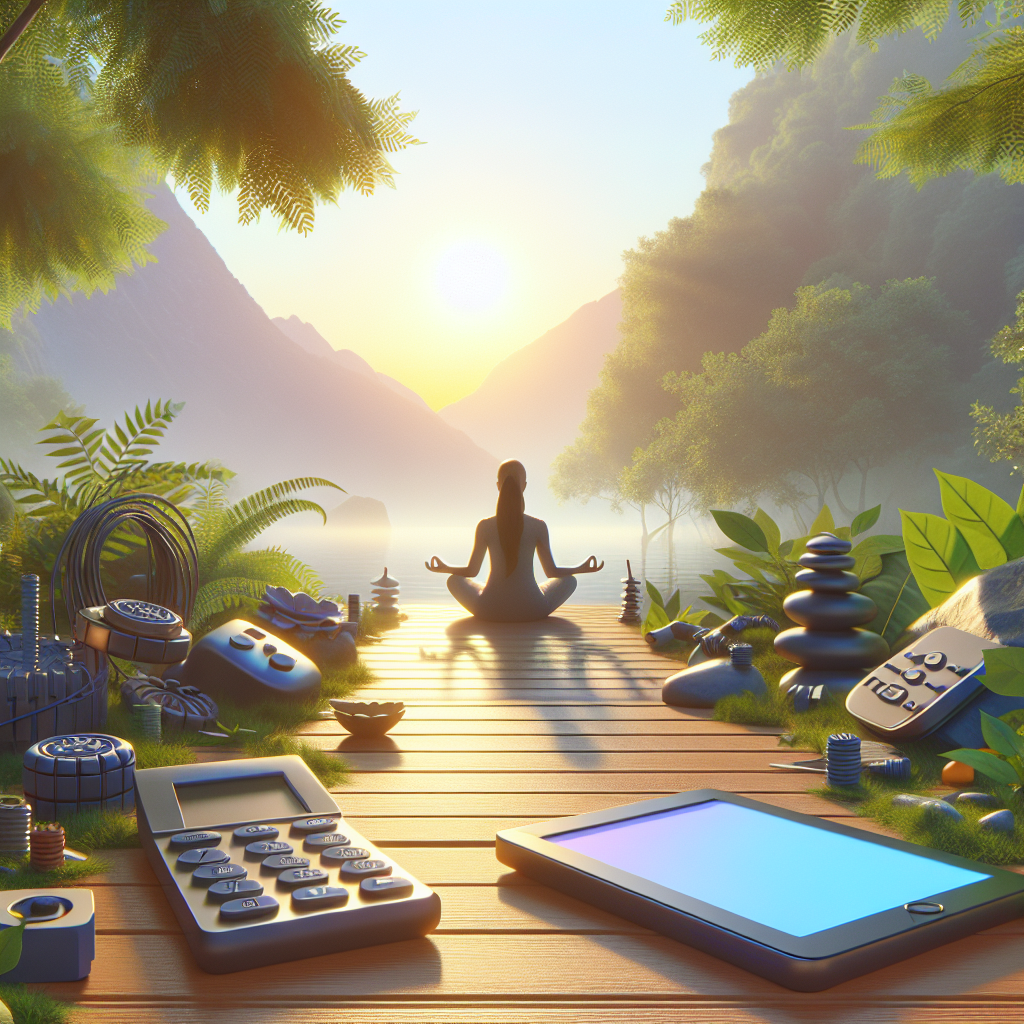
The Digital Tug-of-War: Embracing and Escaping Connectivity
In our hyper-connected world, where screens dominate our daily lives and digital pings constantly interrupt our thoughts, the term “digital detox” is gaining traction. Like a soothing balm on the stressed psyche of the modern world, unplugging promises to help restore balance and happiness within our technology-saturated existence.
Understanding the Digital Detox
A digital detox is a period when an individual refrains from using tech devices such as smartphones, tablets, computers, and social media. The purpose? To reduce stress and focus on social interaction in the physical world. Below the surface of this seemingly simple concept is a complex interplay between the benefits of technology and the need for periods of disconnection.
The Case for Connectivity
To fully appreciate the digital detox, one must first acknowledge the vast benefits of technology:
– **Instant Access to Information:** With a few taps on a screen, anyone can become a mini-expert in a subject they knew nothing about moments before.
– **Global Communication:** Technology has built bridges across seas, allowing us to communicate with loved ones and colleagues worldwide instantly.
– **Social Integration:** Online platforms provide spaces for individuals to find and connect with communities of like-minded people.
– **Professional Opportunities:** The digital landscape has opened up myriad opportunities for innovation, entrepreneurship, and flexible work arrangements.
The Need to Unplug
Despite its benefits, our relationship with digital technology can quickly become unbalanced:
– **Information Overload:** The volume of information at our fingertips can be overwhelming and stress-inducing.
– **Sleep Disruption:** Excessive screen time, especially before bed, can interfere with the quality of sleep.
– **Impact on Mental Health:** High rates of social media use have been linked with increased feelings of loneliness, anxiety, and depression.
– **Physical Strain:** Hours spent hunched over devices can lead to physical ailments, such as neck strain and eye fatigue.
Building a Strategy for Disconnection
A successful digital detox doesn’t mean rejecting technology outright but rather finding opportunities to step back and reap the benefits of offline experiences. Here are some strategies:
– **Set Clear Objectives:** Define what you hope to achieve with a digital detox, be it better sleep, more time with family, or enhanced focus.
– **Create Digital-Free Zones:** Establish areas in your home, such as the bedroom or dining room, where devices are not allowed.
– **Schedule Disconnect Times:** Designate times of the day, perhaps during meals or the first hour after waking up, to be screen-free.
– **Small Steps:** Start with short detox periods and gradually build up to longer spans, if needed.
Embracing the Offline World
Once we disconnect, the world opens up to myriad pursuits and joys that can increase well-being:
– **Nurturing Relationships:** Offline interactions foster deeper connections and more meaningful conversations with friends and loved ones.
– **Engaging with Nature:** Spending time outdoors has been shown to reduce stress and increase happiness.
– **Pursuit of Hobbies:** Engaging in hobbies can provide a sense of accomplishment and pleasure, independent of digital praise or likes.
– **Mindfulness and Reflection:** Time away from screens can encourage mindfulness and self-reflection, leading to greater inner peace.
The Roadblocks to Unplugging
It’s important to recognize the challenges to a digital detox:
– **Fear of Missing Out (FOMO):** Social media can create an urge to stay connected due to the fear of missing out on crucial information or social events.
– **Professional Demands:** Modern work often requires ongoing digital communication, making it hard to disconnect fully.
– **Habitual Behavior:** Checking devices can become automatic, making it difficult to break the cycle of constant connection.
Overcoming the Challenges
To overcome these hurdles, consider the following tips:
– **Communicate Your Plan:** Let friends, family, and colleagues know about your detox plans to set expectations regarding your availability.
– **Establish Boundaries:** Set clear guidelines for when and how you’ll use digital devices for work and personal life.
– **Replace Habits:** Find fulfilling and enjoyable activities to replace the time you would typically spend on devices.
The Reintegration Phase
After a digital detox, the goal isn’t to demonize technology but to reintroduce it more mindfully:
– **Intentional Use:** Use technology with purpose and intent, avoiding mindless scrolling or unnecessary screen time.
– **Balanced Approach:** Maintain balance by integrating both offline and online activities into your routine.
– **Mindful Monitoring:** Regularly assess your tech use to ensure it aligns with your personal and professional goals.
The Broader Impact of Digital Detoxing
The movement towards digital detoxing reflects a broader societal craving for balance. Individuals are seeking ways to mitigate tech-induced stress and reclaim a sense of agency over their time and attention. As more people recognize and advocate for the benefits of unplugging, we may see shifts in how society values and structures our interactions with technology.
Final Thoughts
A happier and more balanced life might be closer than it seems. By acknowledging the pull of the digital world and consciously applying strategies to foster intentional disconnection, we create space for deeper human experiences. A digital detox is not a one-time cure-all; it’s a practice, a regular check-in to ensure we’re living in alignment with our values and well-being.
In the end, it’s about harmony. By cycling through phases of connection and disconnection, we can enjoy technology’s benefits without becoming subservient to its demands. We must find our unique balance in this digital age, navigating the line between being informed and overwhelmed, between being engaged online and fully present in the offline world. As we master this balance, we unlock the door to a life that’s not only richer and happier but also one that feels whole.
