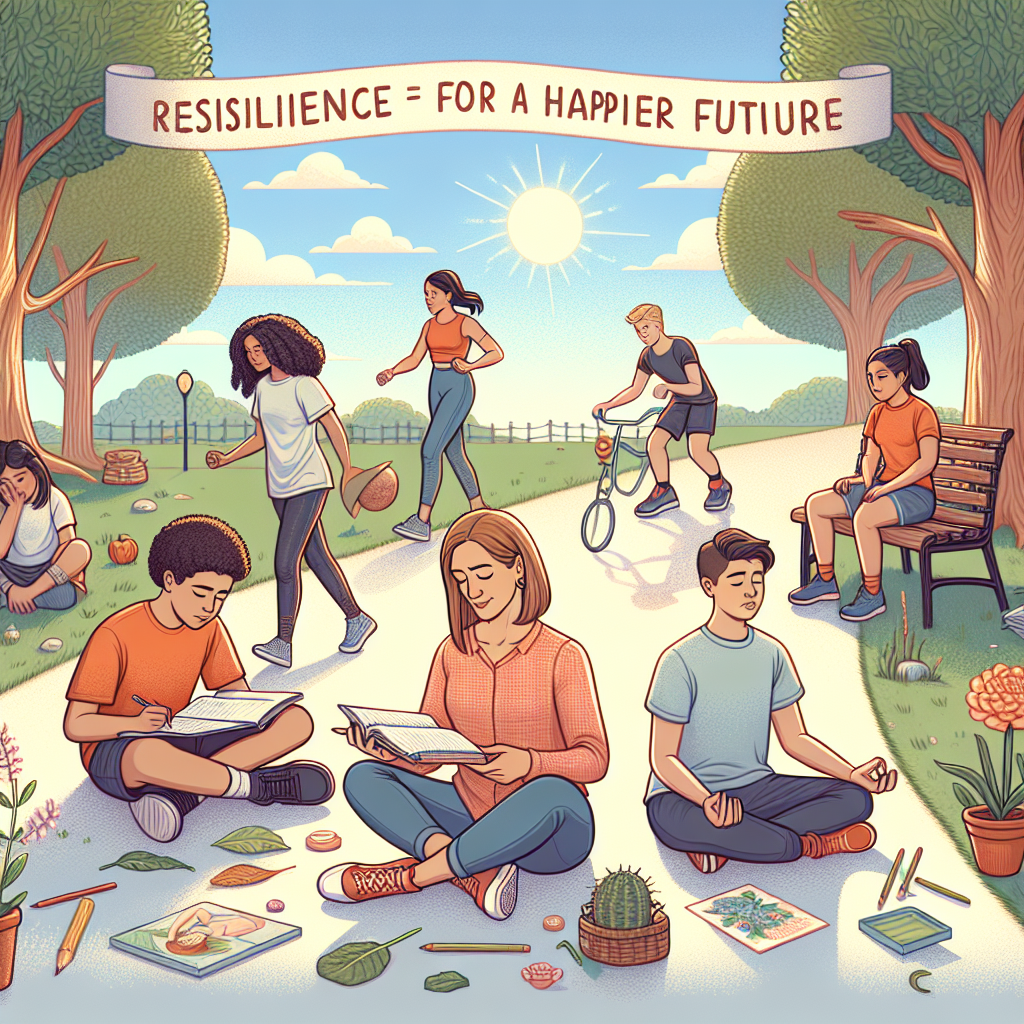
Cultivating Resilience in Adolescents: Preparing for a Happy Future
The adolescent years are a critical developmental period, one marked by significant physical, emotional, and mental changes. It is also a time rife with challenges: the pressures of academic performance, the complexities of social interactions, the onset of romantic interests, and the struggle for independence. Amid these intense experiences, cultivating resilience in adolescents is paramount for helping them navigate these years successfully and lay the foundation for a happy, balanced future.
Understanding Adolescent Resilience
Resilience is the ability to bounce back from adversity, adapt to change, and keep going in the face of challenges. In the context of adolescence, it involves the capacity to handle stress, manage one’s emotions, maintain a positive outlook, and emerge from difficult situations with a sense of growth and empowerment.
– Biological Changes: Adolescence brings about significant hormonal fluctuations that can impact mood and behavior, necessitating resilience as a counterbalance.
– Cognitive Growth: As adolescents’ cognitive abilities mature, they start to think more abstractly and critically, giving them the tools to problem-solve effectively.
– Social Dynamics: Navigating the social hierarchy of adolescence calls for resilience in dealing with peer pressure, bullying, and the search for belonging.
Importance of Cultivating Resilience
Resilient adolescents are better equipped to deal with the curveballs life throws at them. They are less likely to succumb to the pressures of risky behaviors and more likely to make choices that align with their goals and values. The benefits of resilience in adolescence extend far into adulthood, contributing to:
– Stronger Mental Health: Adolescents with higher resilience levels are less prone to developing mental health issues such as depression and anxiety.
– Academic and Career Success: Resilience fosters persistence, an essential trait for academic achievement and career advancement.
– Better Relationships: Being resilient means being able to navigate conflicts and challenges in relationships without collapsing under stress.
Strategies to Foster Resilience in Adolescents
There are several strategies that parents, caregivers, educators, and the adolescents themselves can employ to enhance resilience:
1. Nurturing Supportive Relationships
2. Encouraging Positive Self-Image
3. Developing Coping Skills
4. Promoting Emotional Intelligence
5. Fostering a Growth Mindset
6. Teaching Goal-Setting and Problem-Solving
7. Modeling and Encouraging Self-Care
Nurturing Supportive Relationships
A robust support network is the cornerstone of resilience. Adolescents need to know they have trusted adults to turn to when they face challenges. They also need peers who provide support and understanding. Positive connections with family members, teachers, mentors, and friends help them feel secure and give them a sense of belonging.
– Engaging in Family Time: Regular family activities can reinforce bonds and provide a safe space for adolescents to express their concerns.
– Encouraging Community Involvement: Participation in group activities, sports, or volunteering encourages engagement with supportive peer networks.
Encouraging Positive Self-Image
An adolescent’s self-image has a significant impact on their resilience. Building a strong sense of self includes focusing on strengths and accepting weaknesses. A positive self-image helps them take on challenges with confidence.
– Highlighting Strengths: Encourage adolescents to identify and develop their talents and interests.
– Focusing on Effort Over Outcomes: Praise the effort and the learning process rather than the end result.
Developing Coping Skills
Resilient adolescents need effective coping skills to manage stress and recover from setbacks. These skills can include time management, relaxation techniques, and healthy outlets for stress relief.
– Promoting Mindfulness Practices: Techniques such as meditation and deep breathing can help adolescents stay centered during stressful times.
– Encouraging Physical Activity: Regular exercise is a proven method for reducing stress and improving mood.
Promoting Emotional Intelligence
Understanding and managing one’s emotions – emotional intelligence – is a vital component of resilience. Adolescents who recognize what they feel and why they feel it can approach situations more constructively.
– Discussing Emotions Openly: Create an environment in which feelings can be expressed without judgment.
– Practicing Empathy: Encourage adolescents to consider the perspectives and emotions of others, building interpersonal skills and emotional awareness.
Fostering a Growth Mindset
A growth mindset, the belief that abilities and intelligence can be developed through dedication and hard work, is influential in developing resilience. Adolescents with a growth mindset are more likely to persist in the face of challenges.
– Embracing Failure as a Learning Opportunity: Teach adolescents that setbacks are not indicators of inability but opportunities for growth.
– Celebrating Progress: Regularly acknowledge improvements and the development of new skills.
Teaching Goal-Setting and Problem-Solving
Resilient adolescents are proactive in setting achievable goals and tackling problems head-on. These skills ensure they are not paralyzed by adversity but are equipped to navigate tough situations.
– Guiding through SMART Goals: Encourage setting specific, measurable, achievable, relevant, and time-bound goals.
– Encouraging Step-by-Step Approaches: Break down problems into manageable steps that lead to a solution.
Modeling and Encouraging Self-Care
Resilience isn’t just about enduring hardships; it’s also about knowing when to rest and how to take care of oneself. Adolescents should understand the importance of balancing work with relaxation and play.
– Prioritizing Sleep and Nutrition: Educate adolescents on the importance of sleep hygiene and balanced nutrition for overall well-being.
– Promoting Hobbies and Downtime: Ensure adolescents have time to engage in activities that bring them joy and relaxation.
Challenges in Fostering Resilience
Despite the recognition of resilience’s importance, there are challenges to fostering it in today’s adolescents:
– Overprotective Parenting: Parents who shield their children from all difficulties may inadvertently hinder the development of resilience.
– Digital Distractions: The allure of screens can detract from time spent on activities that build resilience, such as face-to-face interactions and outdoor play.
– Societal Pressures: The competitive nature of academic and social milestones can induce overwhelming stress, making it difficult for adolescents to maintain resilience.
Overcoming these challenges involves a balance of guidance and autonomy, real-life experiences, and downtime away from screens. It requires an understanding that resilience is not innate but developed through experiences and learned skills.
The Role of Schools and Communities
Schools and communities play a critical role in fostering adolescent resilience. They provide structured environments where young people can learn and practice the skills necessary for resilience.
– Implementing Social and Emotional Learning (SEL) Programs: Schools can offer SEL programs that focus on developing self-awareness, social awareness, responsible decision-making, and relationship skills.
– Creating Safe Spaces: Community centers and clubs can be havens where adolescents explore interests and form supportive networks without the pressures of school and family.
Conclusion
Cultivating resilience in adolescents is a multifaceted endeavor that involves participation from the teenagers themselves, their families, schools, and communities. It requires concerted efforts to provide the tools, support, and space necessary for young people to develop the skills to face life’s challenges with confidence and adaptability.
In building resilient adolescents, we are setting the stage for a generation that can weather the storms of life with grace and tenacity. A generation that not only survives but thrives in the face of adversity, contributing to a future that is as happy as it is resilient.
