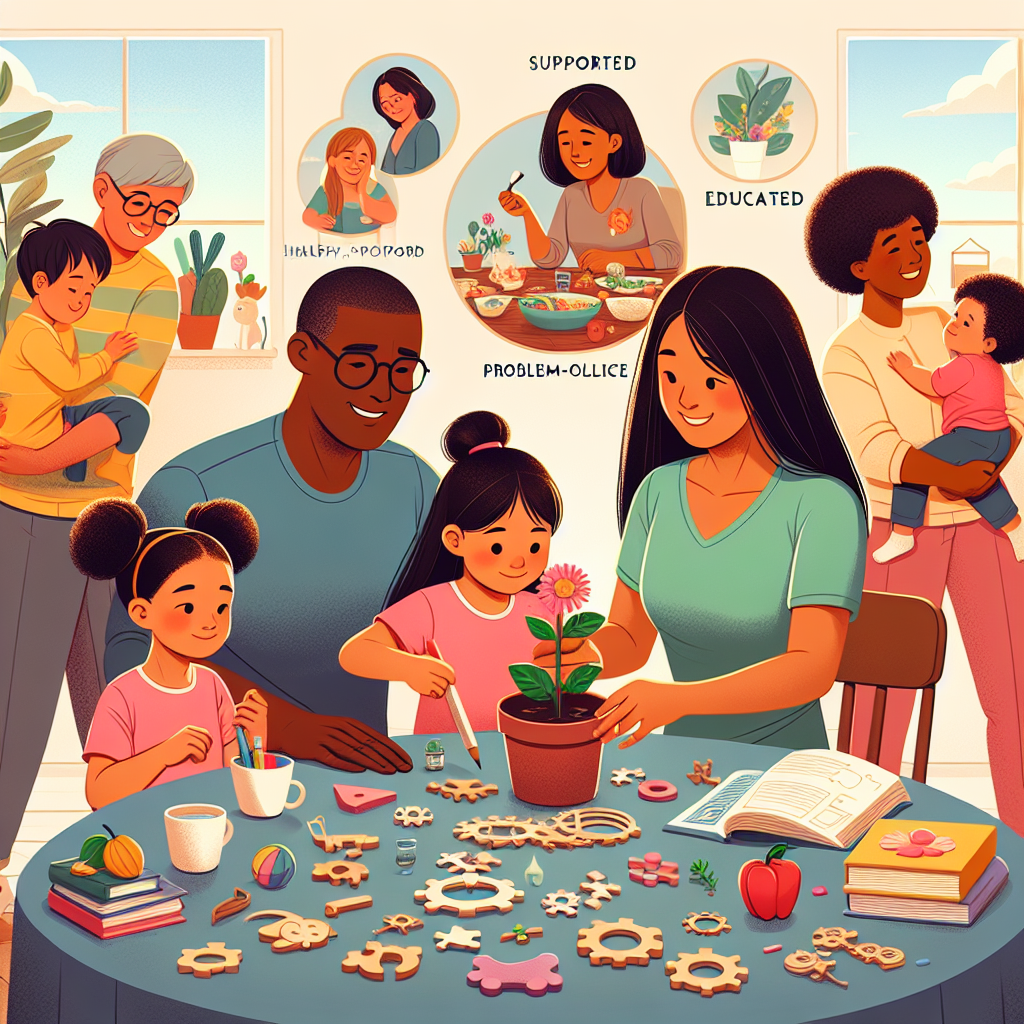
Building Resilient Kids: Parenting Tips for Raising Happy Children
Introduction
Raising children is one of life’s most rewarding and challenging experiences. As parents, we strive to provide our kids with the tools they need to navigate the complexities of life with confidence and joy. One of the key components of successful parenting is fostering resilience in children. Resilience is the ability to bounce back from adversity, adapt to change, and keep going in the face of hardship. This article explores various strategies for building resilience in children, offering practical tips and insights for parents who want to nurture happy, well-adjusted kids.
Understanding Resilience
Resilience is not an innate trait but a skill that can be developed over time. It involves a combination of emotional strength, problem-solving skills, and the ability to seek help when needed. Understanding the components of resilience is the first step in helping children develop this vital skill.
– Emotional Awareness: Teaching kids to recognize and understand their emotions is crucial for resilience. When children can identify what they’re feeling, they are better equipped to manage their emotions and respond to challenges.
– Problem-Solving Skills: Encouraging children to think critically and come up with solutions to their problems fosters independence and confidence.
– Social Support: Building a strong network of family, friends, and mentors provides children with the support they need to navigate difficult times.
The Role of Parenting in Building Resilience
Parents play a pivotal role in fostering resilience in their children. By providing a supportive environment and modeling resilient behaviors, parents can help their kids develop the skills they need to thrive.
– Be a Role Model: Children learn by observing their parents. Demonstrating resilience in your own life shows your children how to handle adversity with grace and determination.
– Encourage Independence: Allowing children to make decisions and experience the consequences of their actions helps them develop problem-solving skills and confidence.
– Provide a Safe and Supportive Environment: Creating a home environment where children feel loved and secure is essential for their emotional well-being.
Strategies for Building Resilience
There are several strategies parents can use to help their children develop resilience. These strategies focus on fostering emotional intelligence, promoting problem-solving skills, and building a strong support network.
Fostering Emotional Intelligence
Emotional intelligence is the ability to recognize, understand, and manage our emotions. It is a critical component of resilience and can be nurtured in children through the following methods:
– Encourage Open Communication: Create an environment where children feel comfortable expressing their emotions. Encourage them to talk about their feelings and validate their experiences.
– Teach Emotional Regulation: Help children learn how to manage their emotions by teaching them techniques such as deep breathing, mindfulness, and positive self-talk.
– Model Empathy: Demonstrate empathy by listening to your child’s concerns and showing understanding. Encourage them to consider others’ perspectives and develop compassion.
Promoting Problem-Solving Skills
Problem-solving skills are essential for resilience. By teaching children how to approach challenges with a solution-oriented mindset, parents can help them develop confidence and independence.
– Encourage Critical Thinking: Ask open-ended questions that encourage children to think critically and explore different solutions to problems.
– Allow for Mistakes: Let children experience failure and learn from their mistakes. This helps them develop perseverance and the ability to bounce back from setbacks.
– Provide Opportunities for Decision-Making: Give children age-appropriate opportunities to make decisions and experience the consequences of their choices.
Building a Strong Support Network
A strong support network provides children with the emotional and practical support they need to navigate life’s challenges. Parents can help build this network by:
– Encouraging Social Connections: Help children develop friendships and maintain relationships with family members and mentors.
– Involving Children in Community Activities: Encourage participation in community events, sports, or clubs to help children build social skills and a sense of belonging.
– Seeking Professional Support: If needed, seek the help of counselors or therapists to provide additional support for your child’s emotional well-being.
Balancing Structure and Flexibility
Finding the right balance between structure and flexibility is crucial in raising resilient children. While structure provides a sense of security, flexibility allows children to adapt to change and develop problem-solving skills.
– Establish Routines: Routines provide children with a sense of stability and predictability, which can be comforting in times of change.
– Allow for Flexibility: Encourage adaptability by allowing children to experience new situations and adjust to different circumstances.
– Set Clear Expectations: Communicate expectations clearly and consistently, but be willing to adjust them as needed based on your child’s development and circumstances.
The Importance of Self-Care for Parents
Raising resilient children requires parents to be resilient themselves. Taking care of your own physical and emotional well-being is essential for effective parenting.
– Prioritize Self-Care: Make time for activities that nourish your body and mind, such as exercise, hobbies, and relaxation.
– Seek Support: Reach out to friends, family, or support groups for encouragement and advice.
– Practice Mindfulness: Incorporate mindfulness practices into your daily routine to reduce stress and improve emotional regulation.
Encouraging a Growth Mindset
A growth mindset is the belief that abilities and intelligence can be developed through effort and learning. Encouraging this mindset in children fosters resilience by helping them view challenges as opportunities for growth.
– Praise Effort, Not Just Results: Focus on the effort and strategies your child uses, rather than just the outcome. This encourages perseverance and a love of learning.
– Encourage a Love of Learning: Foster curiosity and a passion for learning by exposing children to new experiences and ideas.
– Teach the Value of Persistence: Encourage children to keep trying, even when faced with difficulties, and celebrate their progress along the way.
Conclusion
Building resilient kids is a multifaceted process that involves fostering emotional intelligence, promoting problem-solving skills, and creating a supportive environment. By implementing the strategies outlined in this article, parents can help their children develop the resilience they need to navigate life’s challenges and thrive. Remember, resilience is a skill that can be nurtured and strengthened over time, and with patience and dedication, parents can raise happy, well-adjusted children who are equipped to face the future with confidence and joy.
