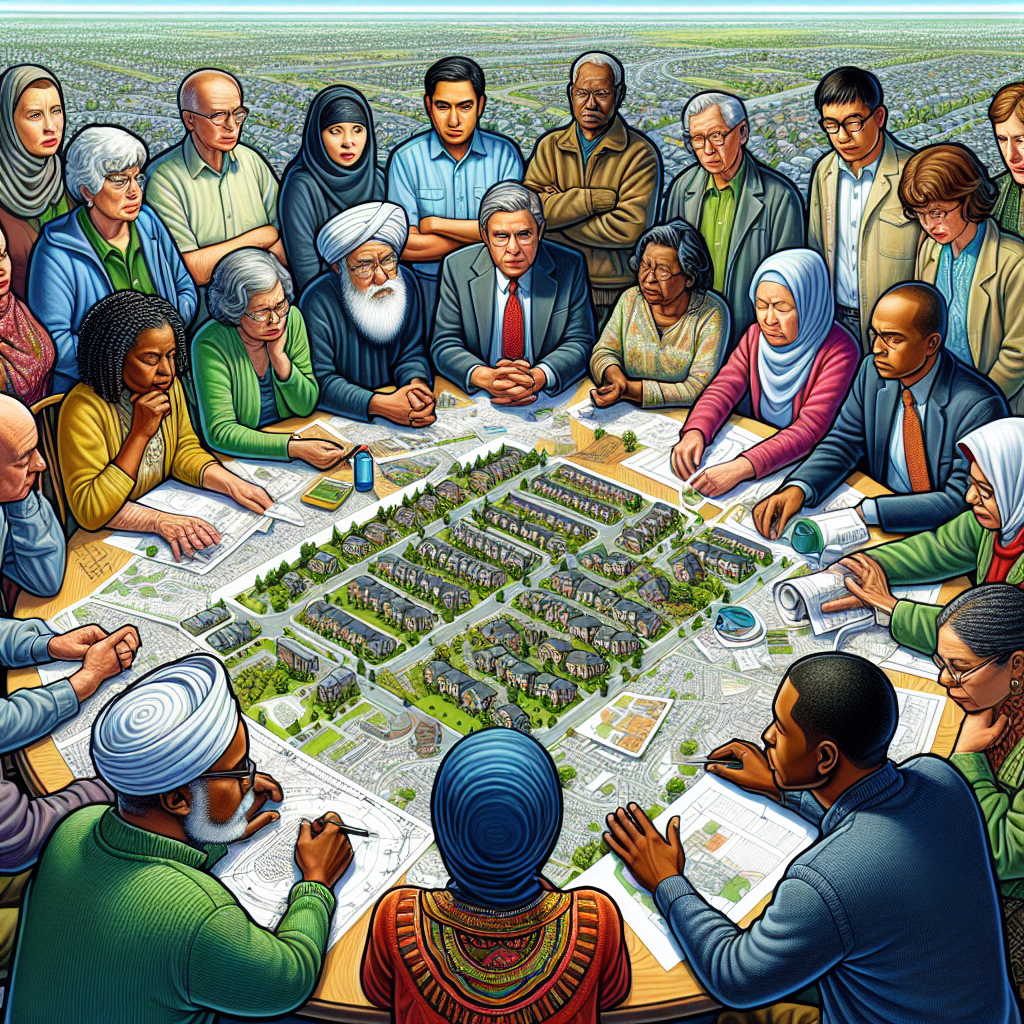
Building Resilience Through Participation in Local Governance and Community Decision-Making
Introduction
Resilience, the ability to recover from setbacks and adapt to challenging circumstances, has become a critical characteristic for communities worldwide. In an era marked by rapid social, environmental, and economic changes, fostering resilience is essential for ensuring sustainable development and enhancing the quality of life. One of the most effective ways to build resilience is through active participation in local governance and community decision-making. This article explores the multifaceted benefits of community engagement, the mechanisms through which it strengthens resilience, and strategies to enhance participation in local governance.
The Importance of Local Governance and Community Decision-Making
Local governance refers to the processes and institutions that enable communities to manage their own affairs. It encompasses decision-making at the municipal or regional level, where policies and initiatives directly impact the daily lives of residents. Community decision-making involves engaging local citizens in the planning and execution of projects and policies that affect their environment and well-being.
Empowerment and Ownership
Active participation in local governance empowers individuals and communities by giving them a voice in decisions that affect their lives. When people feel that their opinions matter and that they can influence outcomes, they are more likely to take ownership of community initiatives. This sense of ownership fosters a collective responsibility for the success and sustainability of local projects.
Enhanced Social Cohesion
Participation in governance and decision-making processes brings diverse groups together, promoting dialogue and understanding. This interaction helps build trust among community members, reducing social fragmentation and fostering a sense of belonging. Strong social cohesion is a cornerstone of resilience, as it enables communities to mobilize resources and support in times of crisis.
Improved Problem-Solving
Communities that engage in local governance are better equipped to identify and address their unique challenges. By leveraging local knowledge and experiences, these communities can develop innovative solutions tailored to their specific needs. This collaborative approach to problem-solving not only enhances resilience but also ensures that solutions are sustainable and culturally appropriate.
Mechanisms for Building Resilience Through Participation
Participatory Budgeting
Participatory budgeting is a democratic process in which community members decide how to allocate a portion of the public budget. This approach allows residents to identify priorities, propose projects, and vote on funding allocations. Participatory budgeting fosters transparency, accountability, and trust in local governance while empowering citizens to directly influence resource distribution.
Community Forums and Workshops
Organizing forums and workshops provides a platform for community members to express their views, share ideas, and collaborate on solutions. These gatherings facilitate open dialogue between citizens and local authorities, ensuring that diverse perspectives are considered in decision-making. Regular community forums also help build a culture of participation and engagement.
Citizen Advisory Boards
Citizen advisory boards are composed of community members who provide input and recommendations to local government officials. These boards serve as a bridge between the community and policymakers, ensuring that the voices of residents are heard in the decision-making process. By involving citizens in advisory roles, local governments can benefit from grassroots insights and foster greater public trust.
Digital Platforms for Engagement
In the digital age, online platforms offer new opportunities for community engagement. Social media, community websites, and mobile applications can facilitate communication between residents and local authorities. These platforms enable real-time feedback, information sharing, and participation in virtual town hall meetings, making governance more accessible and inclusive.
Strategies to Enhance Participation in Local Governance
Education and Awareness
Raising awareness about the importance of participation in local governance is crucial for encouraging community engagement. Educational campaigns can inform citizens about their rights and responsibilities, the decision-making process, and how they can get involved. Schools, community centers, and media outlets can play a pivotal role in disseminating this information.
Capacity Building
Building the capacity of community members to effectively participate in governance is essential. Training programs can equip individuals with the skills needed to engage in decision-making, such as communication, negotiation, and leadership. Capacity-building initiatives should also focus on empowering marginalized groups, ensuring that all voices are represented.
Inclusion and Diversity
Ensuring the inclusion of diverse groups in governance processes is vital for equitable decision-making. Local governments should implement policies that promote the participation of women, youth, minorities, and other underrepresented groups. By valuing diversity, communities can benefit from a wide range of perspectives and experiences, enhancing the quality of decisions.
Creating Incentives for Participation
Incentives can motivate individuals to become more involved in local governance. These incentives might include recognition programs, awards for community service, or tangible benefits such as improved public services. By acknowledging and rewarding participation, local governments can foster a culture of active citizenship.
Challenges and Solutions in Promoting Participation
Barriers to Participation
Despite the benefits of community engagement, several barriers can hinder participation in local governance. These barriers include:
– Lack of awareness or understanding of governance processes
– Limited access to information or resources
– Time constraints due to work or family commitments
– Disillusionment with political systems or past experiences
Overcoming Challenges
To address these challenges, local governments and community organizations can implement the following solutions:
– Simplifying communication and providing clear, accessible information about governance processes
– Offering flexible participation options, such as online forums or meetings outside of traditional working hours
– Building trust through transparency and accountability in decision-making
– Creating opportunities for meaningful engagement, ensuring that participation leads to tangible outcomes
Case Studies: Successful Examples of Community Participation
Porto Alegre, Brazil
Porto Alegre is renowned for its pioneering use of participatory budgeting, which has been in place since 1989. Through this process, residents have a direct say in how public funds are spent on infrastructure, education, and health services. The initiative has resulted in more equitable resource distribution and improved public services, demonstrating the power of community engagement in governance.
Kerala, India
In Kerala, the decentralization of governance has empowered local communities to take charge of their development. The state’s participatory planning process involves citizens at the grassroots level, enabling them to identify priorities and allocate resources. This approach has led to significant improvements in health, education, and social welfare, showcasing the effectiveness of community-driven governance.
Conclusion
Building resilience through participation in local governance and community decision-making is a transformative approach to sustainable development. By empowering citizens, fostering social cohesion, and enhancing problem-solving capabilities, communities can better navigate the challenges of the modern world. While barriers to participation exist, they can be overcome through education, capacity building, and inclusive policies. As demonstrated by successful case studies, active community engagement is not only beneficial but essential for creating resilient, thriving communities. By embracing this participatory approach, local governments and citizens can work together to shape a better future for all.
