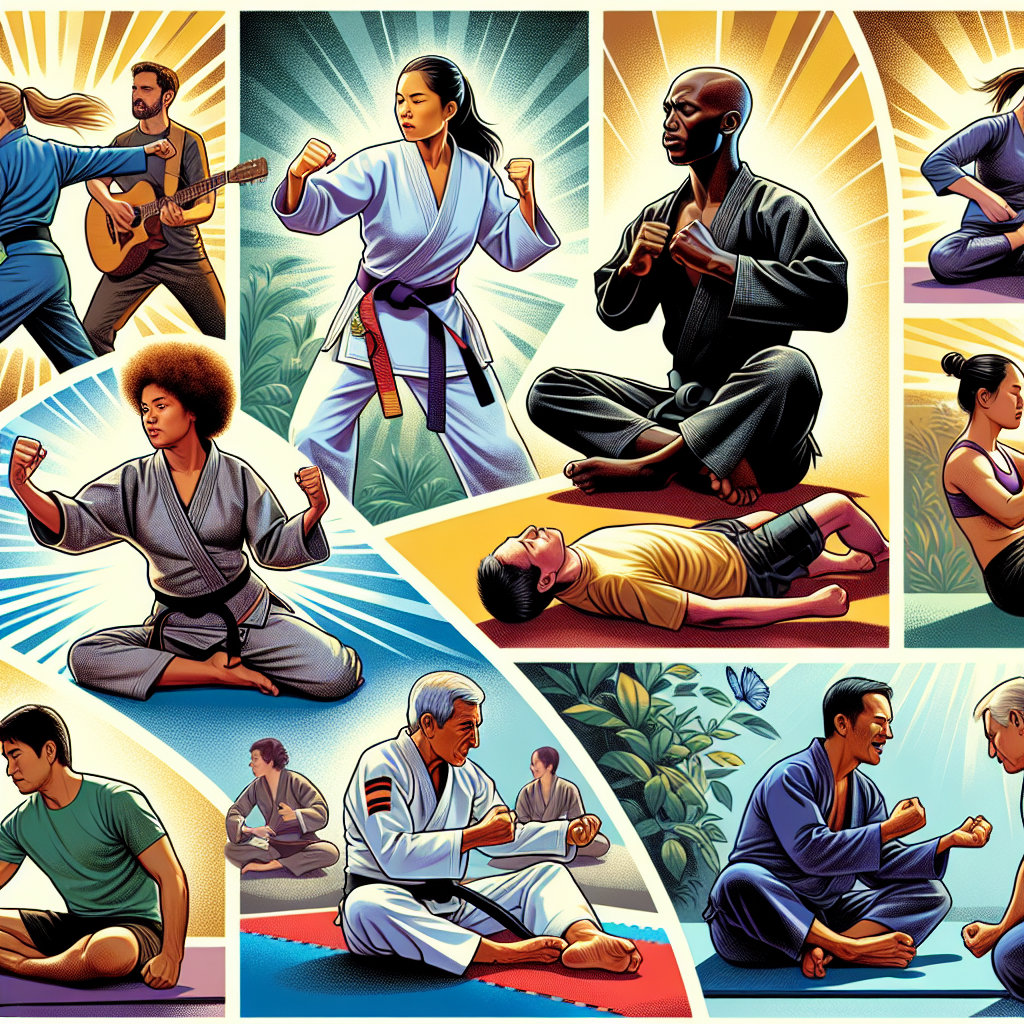
Building Resilience Through Martial Arts and Self-Defense Training
Introduction
In a world characterized by rapid change and uncertainty, resilience has emerged as a crucial personal attribute. Resilience, the ability to bounce back from adversity, adapt to change, and keep going in the face of challenges, is not an innate trait but a skill that can be cultivated. One of the most effective and empowering ways to build resilience is through martial arts and self-defense training. These disciplines offer more than just physical benefits; they foster mental toughness, emotional stability, and a sense of empowerment. This article explores how martial arts and self-defense training contribute to building resilience, examining the physical, mental, and emotional aspects of this transformative journey.
The Physical Benefits of Martial Arts and Self-Defense
Enhancing Physical Fitness
Martial arts and self-defense training provide a comprehensive workout that improves cardiovascular health, strength, flexibility, and endurance. These physical benefits are foundational to resilience, as a fit body is better equipped to handle stress and recover from physical and mental challenges.
– Cardiovascular Health: Regular practice of martial arts increases heart rate and promotes cardiovascular endurance, reducing the risk of heart disease.
– Strength and Flexibility: The varied movements in martial arts enhance muscle strength and joint flexibility, contributing to overall physical resilience.
– Endurance: High-intensity training improves stamina, allowing practitioners to endure physical and mental stress more effectively.
Improving Coordination and Balance
Martial arts require precise movements and coordination, which improve balance and spatial awareness. These skills are not only crucial for effective self-defense but also enhance overall body control and confidence.
– Coordination: Techniques and drills enhance hand-eye coordination and motor skills.
– Balance: Practicing stances and movements improves stability and prevents injuries.
The Mental Benefits of Martial Arts and Self-Defense
Developing Mental Toughness
Martial arts training is as much a mental exercise as it is a physical one. The discipline and focus required in martial arts cultivate mental toughness, a key component of resilience.
– Discipline: Regular training instills a sense of discipline, encouraging practitioners to set goals and work persistently towards achieving them.
– Focus: Concentration techniques taught in martial arts help in maintaining focus, which is essential for overcoming distractions and challenges.
Enhancing Problem-Solving Skills
Martial arts and self-defense require quick thinking and adaptability. Practitioners learn to assess situations rapidly and make decisions under pressure, skills that are invaluable in everyday life.
– Situational Awareness: Training heightens awareness of one’s surroundings, enabling better decision-making in critical situations.
– Adaptability: Sparring and self-defense scenarios teach adaptability, helping practitioners respond effectively to unexpected challenges.
The Emotional Benefits of Martial Arts and Self-Defense
Building Confidence and Self-Esteem
One of the most significant emotional benefits of martial arts is the boost in confidence and self-esteem. As practitioners progress and master new skills, they gain a sense of accomplishment and self-assurance.
– Achievement: Earning belts and mastering techniques provide tangible evidence of progress and achievement.
– Empowerment: Learning self-defense techniques empowers individuals, making them feel more secure and confident in their ability to protect themselves.
Managing Stress and Emotions
Martial arts offer a constructive outlet for stress and emotions. The physical exertion and mental focus required in training help in managing stress and maintaining emotional balance.
– Stress Relief: Physical activity releases endorphins, which reduce stress and promote a positive mood.
– Emotional Regulation: Techniques such as breathing exercises and meditation taught in martial arts help in regulating emotions and maintaining calmness under pressure.
The Social Benefits of Martial Arts and Self-Defense
Fostering Community and Support
Martial arts schools and self-defense classes create a sense of community and support. Practitioners form bonds with their instructors and peers, providing a network of support that enhances resilience.
– Camaraderie: Training in groups fosters friendships and a sense of belonging.
– Support System: The martial arts community offers encouragement and support, helping individuals overcome challenges together.
Promoting Respect and Humility
Martial arts emphasize respect for oneself and others. Practitioners learn the importance of humility and respect, which are essential for personal growth and resilience.
– Respect: Bowing and other respectful gestures instill a sense of respect for instructors, peers, and oneself.
– Humility: Recognizing the need for continuous learning and improvement fosters humility and resilience.
Integrating Martial Arts and Self-Defense into Daily Life
Setting Realistic Goals
To maximize the benefits of martial arts and self-defense training, it is essential to set realistic and achievable goals. This approach ensures steady progress and keeps practitioners motivated.
– Short-term Goals: Setting small, achievable goals helps maintain motivation and provides a sense of accomplishment.
– Long-term Goals: Establishing long-term objectives encourages continuous growth and development.
Maintaining Consistency
Consistency is key to building resilience through martial arts and self-defense. Regular practice ensures continuous improvement and reinforces the skills and mindset necessary for resilience.
– Training Schedule: Establishing a regular training schedule helps in maintaining consistency and progress.
– Commitment: Staying committed to training, even when faced with challenges, builds resilience and determination.
Conclusion
Martial arts and self-defense training offer a holistic approach to building resilience. By enhancing physical fitness, mental toughness, emotional stability, and social connections, these disciplines empower individuals to face life’s challenges with confidence and strength. As practitioners progress on their martial arts journey, they develop a resilient mindset that extends beyond the dojo, enabling them to navigate the complexities of modern life with grace and determination. Embracing martial arts and self-defense training is not just about learning to fight; it is about cultivating the resilience to thrive in an ever-changing world.
