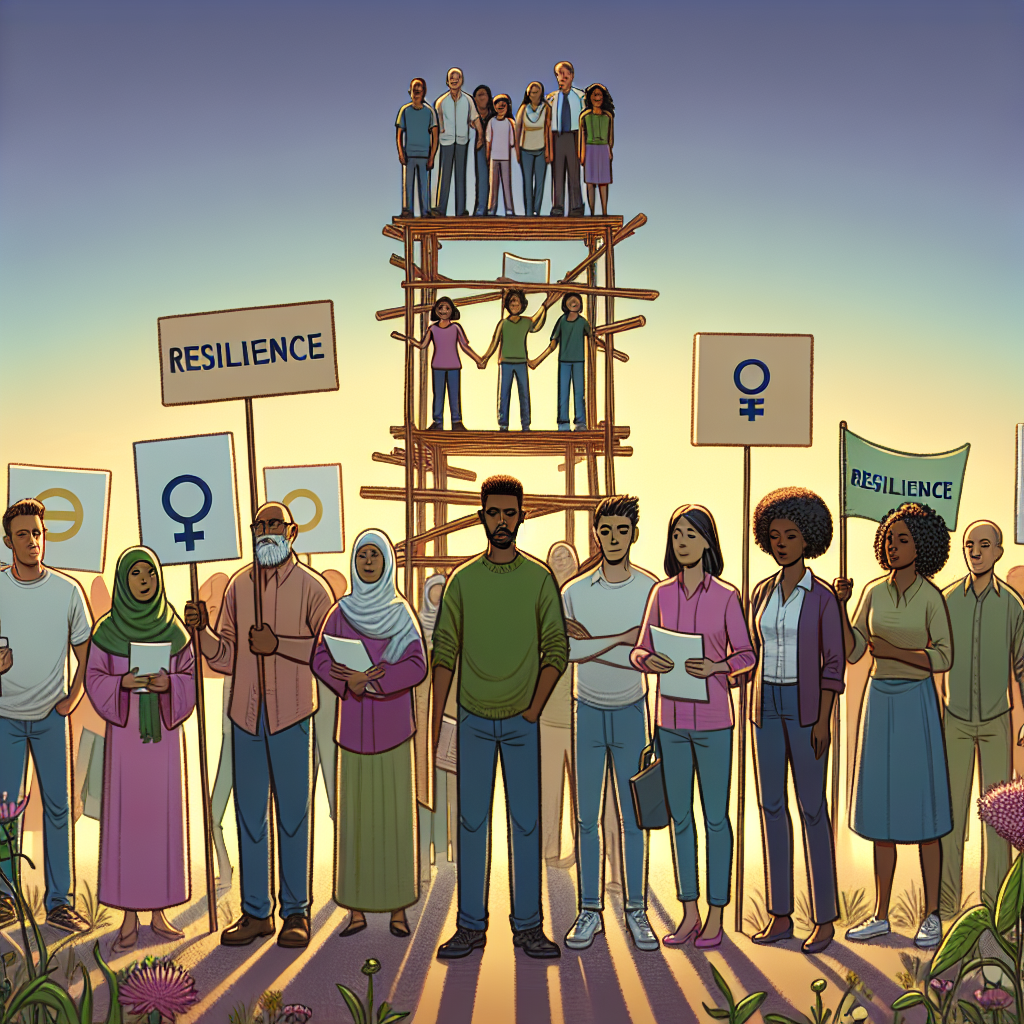
Building Resilience Through Engaging in Social Justice Advocacy
Introduction
In an increasingly interconnected world, social justice advocacy has emerged as a vital avenue for effecting positive change. Engaging in social justice advocacy not only contributes to societal transformation but also fosters personal growth and resilience. This article explores the multifaceted ways in which involvement in social justice advocacy can build resilience, enhance personal well-being, and empower individuals to make a lasting impact.
Understanding Social Justice Advocacy
Social justice advocacy involves efforts to promote fairness, equity, and rights across various societal dimensions. It encompasses a wide range of activities, including policy reform, community engagement, and raising awareness about issues such as racial equality, gender rights, environmental justice, and economic disparity. Advocates work tirelessly to address systemic inequalities and create inclusive communities where all individuals have equal opportunities.
The Core Principles of Social Justice Advocacy
– **Equity and Fairness**: Ensuring that resources and opportunities are distributed fairly.
– **Inclusion**: Promoting the participation of marginalized groups in decision-making processes.
– **Empowerment**: Encouraging individuals and communities to take control of their own lives.
– **Solidarity**: Building alliances and networks to support collective action.
The Role of Resilience in Advocacy
Resilience, the ability to adapt and thrive in the face of adversity, is an essential quality for social justice advocates. The path of advocacy is often fraught with challenges, including resistance to change, emotional fatigue, and the complexity of systemic issues. Building resilience equips advocates to navigate these obstacles effectively and sustain their efforts over the long term.
Developing Emotional Resilience
Emotional resilience is crucial for advocates who frequently encounter emotionally charged situations. Engaging with issues of injustice can evoke strong emotions such as anger, frustration, and sadness. To build emotional resilience, advocates can:
– **Practice Self-Care**: Prioritize mental and physical well-being through regular exercise, meditation, and adequate rest.
– **Seek Support**: Connect with like-minded individuals and support groups to share experiences and gain encouragement.
– **Reflect and Reframe**: Develop the ability to view challenges from different perspectives and find meaning in adversity.
Enhancing Cognitive Resilience
Cognitive resilience involves maintaining mental flexibility and problem-solving skills in the face of challenges. Advocates can enhance cognitive resilience by:
– **Continuous Learning**: Stay informed about social justice issues, policies, and strategies through reading, attending workshops, and engaging in discussions.
– **Critical Thinking**: Analyze situations objectively, question assumptions, and consider multiple viewpoints.
– **Adaptability**: Be open to change and willing to adjust strategies as new information and circumstances arise.
Building Social Resilience
Social resilience is strengthened through relationships and community support. Advocates can foster social resilience by:
– **Networking**: Build connections with other advocates, organizations, and allies to share resources and collaborate on initiatives.
– **Community Engagement**: Involve local communities in advocacy efforts to ensure diverse perspectives and ownership of change.
– **Collective Action**: Mobilize groups to amplify voices and create a greater impact.
The Benefits of Resilient Advocacy
Engaging in social justice advocacy with resilience has numerous benefits for both individuals and society. Resilient advocates can sustain their efforts, inspire others, and contribute to meaningful change. The benefits include:
Personal Growth and Empowerment
– **Increased Confidence**: Overcoming challenges and achieving advocacy goals boosts self-esteem and confidence.
– **Skill Development**: Advocacy work enhances skills such as communication, negotiation, and leadership.
– **Sense of Purpose**: Contributing to a cause greater than oneself provides a sense of fulfillment and purpose.
Enhanced Community Impact
– **Sustained Efforts**: Resilient advocates are better equipped to maintain long-term initiatives, leading to more significant and lasting change.
– **Increased Awareness**: Persistent advocacy raises awareness and educates the public about critical social justice issues.
– **Policy Influence**: Resilient advocates are more likely to influence policy changes and drive systemic transformation.
Case Studies of Resilient Advocacy
Examining real-world examples of resilient advocacy provides valuable insights into effective strategies and outcomes.
The Civil Rights Movement
The Civil Rights Movement in the United States is a powerful example of resilient advocacy. Despite facing immense opposition, activists like Martin Luther King Jr., Rosa Parks, and countless others demonstrated unwavering commitment to racial equality. Their resilience, fueled by a deep sense of justice and community support, led to significant legislative changes and progress toward racial equality.
Environmental Justice Advocacy
Environmental justice advocates have shown remarkable resilience in their fight against environmental degradation and its disproportionate impact on marginalized communities. Organizations like the Sierra Club and grassroots movements have successfully mobilized communities, influenced policies, and raised awareness about environmental issues. Their resilience has been instrumental in advancing sustainable practices and environmental equity.
Strategies for Building Resilience in Advocacy
To build resilience in social justice advocacy, individuals and organizations can adopt the following strategies:
Fostering a Supportive Environment
– **Mentorship Programs**: Establish mentorship programs to guide and support new advocates.
– **Peer Support Networks**: Create spaces for advocates to share experiences, challenges, and successes.
– **Organizational Support**: Ensure that advocacy organizations prioritize the well-being and development of their members.
Promoting Self-Care and Well-Being
– **Regular Breaks**: Encourage advocates to take regular breaks to prevent burnout and maintain energy.
– **Mindfulness Practices**: Incorporate mindfulness techniques to reduce stress and improve focus.
– **Work-Life Balance**: Promote a healthy balance between advocacy work and personal life.
Encouraging Continuous Learning
– **Training and Workshops**: Offer training sessions and workshops on advocacy skills, resilience building, and self-care.
– **Knowledge Sharing**: Facilitate the exchange of knowledge and experiences among advocates.
– **Reflective Practices**: Encourage advocates to reflect on their experiences, learn from challenges, and celebrate successes.
Conclusion
Building resilience through engaging in social justice advocacy is a transformative journey that benefits both individuals and society. Resilient advocates are better equipped to navigate challenges, sustain their efforts, and drive meaningful change. By fostering emotional, cognitive, and social resilience, advocates can enhance their personal growth, empower communities, and contribute to a more just and equitable world. As we continue to confront complex social justice issues, the importance of resilience in advocacy cannot be overstated. It is through resilience that advocates find the strength to persevere and create lasting impact.
