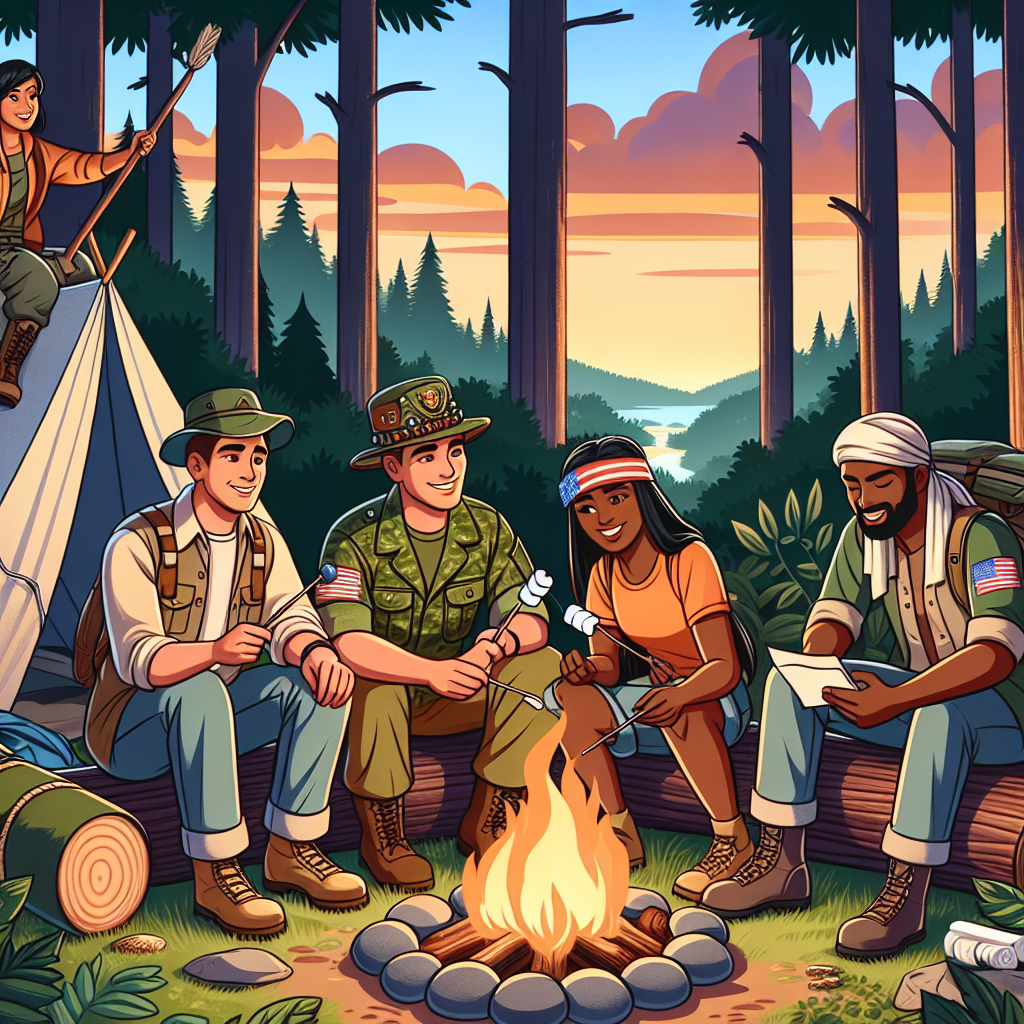
Building Resilience in Veterans Through Adventure-Based Healing
Introduction
The transition from military to civilian life is often fraught with challenges for veterans. While many successfully navigate this shift, others struggle with physical, emotional, and psychological difficulties. Traditional therapeutic approaches have been beneficial for some, but a growing body of evidence suggests that adventure-based healing can offer a unique and effective avenue for building resilience among veterans. This article explores the concept of adventure-based healing, its benefits, and how it can be integrated into broader veteran support systems.
Understanding Adventure-Based Healing
Adventure-based healing is a therapeutic approach that uses outdoor activities and experiential learning to foster personal growth and healing. This method leverages the natural environment and physical challenges to help participants confront fears, develop new skills, and build confidence. Activities can range from rock climbing and kayaking to wilderness expeditions and ropes courses.
The Core Principles
– **Experiential Learning**: Participants engage in hands-on activities that require problem-solving, teamwork, and adaptability.
– **Challenge by Choice**: Individuals are encouraged to push their limits but have the autonomy to decide their level of participation.
– **Reflection and Processing**: Facilitated discussions help participants reflect on their experiences and draw parallels to their personal lives.
– **Focus on Strengths**: Emphasis is placed on identifying and leveraging personal strengths to overcome challenges.
The Unique Needs of Veterans
Veterans often face a complex array of issues as they transition to civilian life. These can include post-traumatic stress disorder, depression, anxiety, and physical injuries. Additionally, the loss of military camaraderie and identity can lead to feelings of isolation and purposelessness. Adventure-based healing addresses these needs by fostering a sense of community, purpose, and personal achievement.
Benefits of Adventure-Based Healing for Veterans
Adventure-based healing offers several key benefits that are particularly relevant to veterans.
Physical and Mental Health Improvement
– **Physical Activity**: Engaging in outdoor activities promotes physical fitness, which is linked to improved mental health outcomes.
– **Stress Reduction**: Nature exposure reduces stress and anxiety levels, offering a calming effect that complements therapeutic efforts.
– **Enhanced Mood**: Physical exertion and accomplishment in challenging tasks release endorphins, improving mood and overall well-being.
Rebuilding Identity and Purpose
– **Sense of Achievement**: Overcoming physical and mental challenges helps veterans rebuild confidence and a sense of accomplishment.
– **Goal Setting**: Adventure activities often involve setting and achieving goals, which can translate to other areas of life.
– **Renewed Identity**: Veterans can rediscover personal strengths and interests outside of their military identity.
Community and Camaraderie
– **Shared Experiences**: Participating in group activities fosters a sense of belonging and mutual support.
– **Peer Support**: Interacting with fellow veterans who understand similar challenges creates a supportive community.
– **Teamwork**: Collaborative tasks enhance communication skills and build trust among participants.
Case Studies and Success Stories
Several organizations have successfully implemented adventure-based healing programs for veterans, yielding promising results.
Outward Bound for Veterans
Outward Bound for Veterans offers wilderness expeditions designed to help veterans transition to civilian life. Participants engage in activities such as backpacking, canoeing, and rock climbing. These experiences help veterans develop resilience, leadership skills, and a renewed sense of purpose. Many participants report decreased symptoms of PTSD and increased self-efficacy following the program.
Project Odyssey
Wounded Warrior Project’s Project Odyssey uses adventure-based healing to support veterans dealing with combat stress. The program incorporates activities like high ropes courses and kayaking, combined with mental health workshops. Participants have reported significant improvements in emotional regulation, relationship skills, and overall mental health.
Integrating Adventure-Based Healing into Veteran Support Systems
To maximize the impact of adventure-based healing, it should be integrated into a comprehensive support system for veterans. This involves collaboration between government agencies, non-profit organizations, and healthcare providers.
Collaboration and Partnerships
– **Government Support**: Policies and funding can facilitate the implementation of adventure-based programs across the country.
– **Non-Profit Organizations**: Partnerships with organizations specializing in outdoor education and veteran services can enhance program quality and reach.
– **Healthcare Providers**: Collaboration with mental health professionals ensures that programs are tailored to meet the specific needs of veterans.
Training and Certification
– **Qualified Facilitators**: Training facilitators in both adventure activities and trauma-informed care ensures safe and effective program delivery.
– **Standardized Protocols**: Developing standardized protocols for adventure-based healing can help maintain program consistency and quality.
Measuring Outcomes
– **Data Collection**: Systematic data collection on participant outcomes is essential for evaluating program effectiveness.
– **Research and Evaluation**: Ongoing research can identify best practices and inform program improvements.
Challenges and Considerations
While adventure-based healing offers numerous benefits, there are also challenges to consider.
Accessibility and Inclusivity
– **Geographic Barriers**: Veterans in remote areas may have limited access to adventure-based programs.
– **Physical Limitations**: Programs must be adaptable to accommodate veterans with physical disabilities or injuries.
Cultural Sensitivity
– **Diverse Needs**: Programs should be designed to address the diverse backgrounds and experiences of veterans.
– **Cultural Competence**: Facilitators should be trained in cultural competence to effectively support all participants.
Conclusion
Adventure-based healing presents a promising approach to building resilience in veterans. By leveraging the therapeutic power of nature and physical challenges, this method addresses the unique needs of veterans and fosters personal growth, community, and healing. As awareness and understanding of adventure-based healing continue to grow, integrating it into broader veteran support systems can enhance its reach and impact. Through collaboration, research, and innovation, adventure-based healing can become a cornerstone of veteran care, helping those who have served to navigate the complexities of civilian life with renewed strength and purpose.
