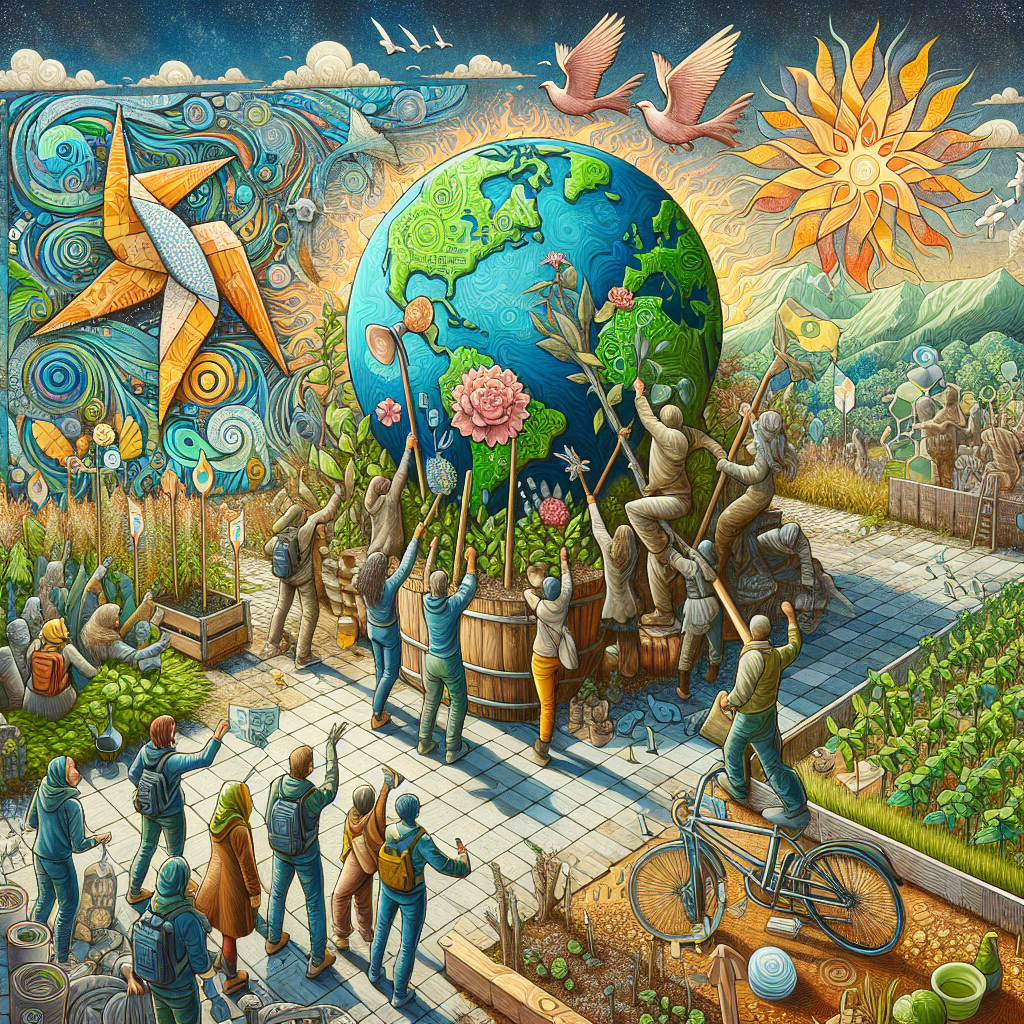
Building Resilience in the Face of Environmental Art Installations and Activism
Introduction
In recent years, environmental art installations and activism have emerged as powerful tools for raising awareness about ecological issues and promoting sustainable practices. These creative endeavors not only engage the public but also challenge societal norms and inspire change. As the world grapples with the consequences of climate change and environmental degradation, building resilience becomes essential. This article explores the intersection of environmental art, activism, and resilience, examining how these elements interact to foster a more sustainable future.
The Role of Environmental Art in Raising Awareness
Environmental art installations have the unique ability to convey complex ecological messages in a visually compelling manner. By utilizing natural materials and immersive experiences, artists can evoke emotional responses and provoke critical thinking. This section delves into the various ways environmental art contributes to raising awareness and promoting environmental stewardship.
1. **Visual Storytelling**
– Environmental art installations often tell stories about the natural world, highlighting its beauty and fragility.
– Through visual storytelling, artists can communicate urgent environmental issues, such as deforestation, pollution, and habitat loss.
2. **Public Engagement**
– Art installations in public spaces attract diverse audiences, creating opportunities for dialogue and education.
– By engaging the public in interactive experiences, artists can foster a deeper connection with nature and encourage sustainable behaviors.
3. **Symbolic Representation**
– Many environmental art pieces use symbolism to convey messages about ecological balance and human impact.
– These symbols can serve as powerful metaphors, prompting viewers to reflect on their relationship with the environment.
Activism and Its Impact on Environmental Consciousness
Environmental activism, often intertwined with art, plays a crucial role in advocating for policy changes and mobilizing communities. This section examines the influence of activism on environmental consciousness and how it complements art installations in driving societal change.
1. **Grassroots Movements**
– Grassroots environmental movements empower individuals to take action at the local level, fostering a sense of community and shared responsibility.
– These movements often collaborate with artists to amplify their message and reach a broader audience.
2. **Policy Advocacy**
– Activists work tirelessly to influence environmental policies and regulations, striving for systemic change.
– Art installations can serve as powerful visual aids in advocacy campaigns, highlighting the urgency of environmental issues.
3. **Raising Public Awareness**
– Activism raises public awareness by organizing events, protests, and campaigns that draw attention to environmental concerns.
– By partnering with artists, activists can create impactful visual narratives that resonate with the public and inspire action.
Building Resilience Through Art and Activism
Resilience, in the context of environmental challenges, refers to the ability of individuals and communities to adapt and thrive despite adversity. This section explores how environmental art and activism contribute to building resilience, empowering people to face ecological challenges with creativity and determination.
1. **Fostering a Sense of Hope**
– Art installations often convey messages of hope and renewal, inspiring viewers to believe in the possibility of positive change.
– By focusing on solutions rather than just problems, artists and activists can motivate individuals to take proactive steps toward sustainability.
2. **Encouraging Community Involvement**
– Collaborative art projects and activism initiatives encourage community involvement, strengthening social ties and collective resilience.
– These endeavors create platforms for dialogue and cooperation, enabling communities to work together toward common environmental goals.
3. **Promoting Adaptive Thinking**
– Environmental art challenges conventional perspectives, encouraging adaptive thinking and innovative problem-solving.
– By presenting alternative visions of the future, artists inspire audiences to consider new approaches to environmental challenges.
Case Studies: Successful Environmental Art and Activism Projects
To illustrate the impact of environmental art and activism, this section presents case studies of successful projects that have made significant contributions to raising awareness and building resilience.
1. **The Umbrella Movement in Hong Kong**
– The Umbrella Movement utilized art installations and performances to draw attention to environmental and political issues.
– By transforming public spaces into creative protest sites, the movement engaged the public and inspired global solidarity.
2. **The Climate Ribbon Project**
– The Climate Ribbon Project is an art installation that invites participants to write messages about their hopes and fears for the planet on colorful ribbons.
– This collaborative project fosters a sense of global community and resilience, encouraging people to take collective action for climate justice.
3. **The Great Green Wall Initiative**
– The Great Green Wall Initiative aims to combat desertification in Africa through the creation of a vast green belt of trees.
– This ambitious project combines environmental restoration with community empowerment, promoting resilience through sustainable land management.
Challenges and Opportunities in Environmental Art and Activism
While environmental art and activism offer significant opportunities for raising awareness and building resilience, they also face challenges. This section explores these challenges and discusses potential strategies for overcoming them.
1. **Funding and Resources**
– Securing funding and resources for environmental art projects can be challenging, particularly for grassroots initiatives.
– Collaborations with organizations, businesses, and government agencies can provide financial support and amplify impact.
2. **Public Perception**
– Environmental art and activism may face skepticism or resistance from those who perceive them as disruptive or impractical.
– Effective communication and education are essential to address misconceptions and build public support.
3. **Sustainability and Impact**
– Ensuring the sustainability and long-term impact of art installations and activism efforts requires careful planning and evaluation.
– Establishing clear goals and metrics for success can help measure progress and guide future initiatives.
Conclusion
Environmental art installations and activism are powerful catalysts for change, raising awareness about ecological issues and promoting resilience in the face of adversity. By engaging the public, advocating for policy changes, and fostering community involvement, these creative endeavors inspire individuals and communities to take action for a more sustainable future. As the world continues to confront environmental challenges, the synergy between art and activism will play an increasingly vital role in building resilience and shaping a better world for generations to come.
