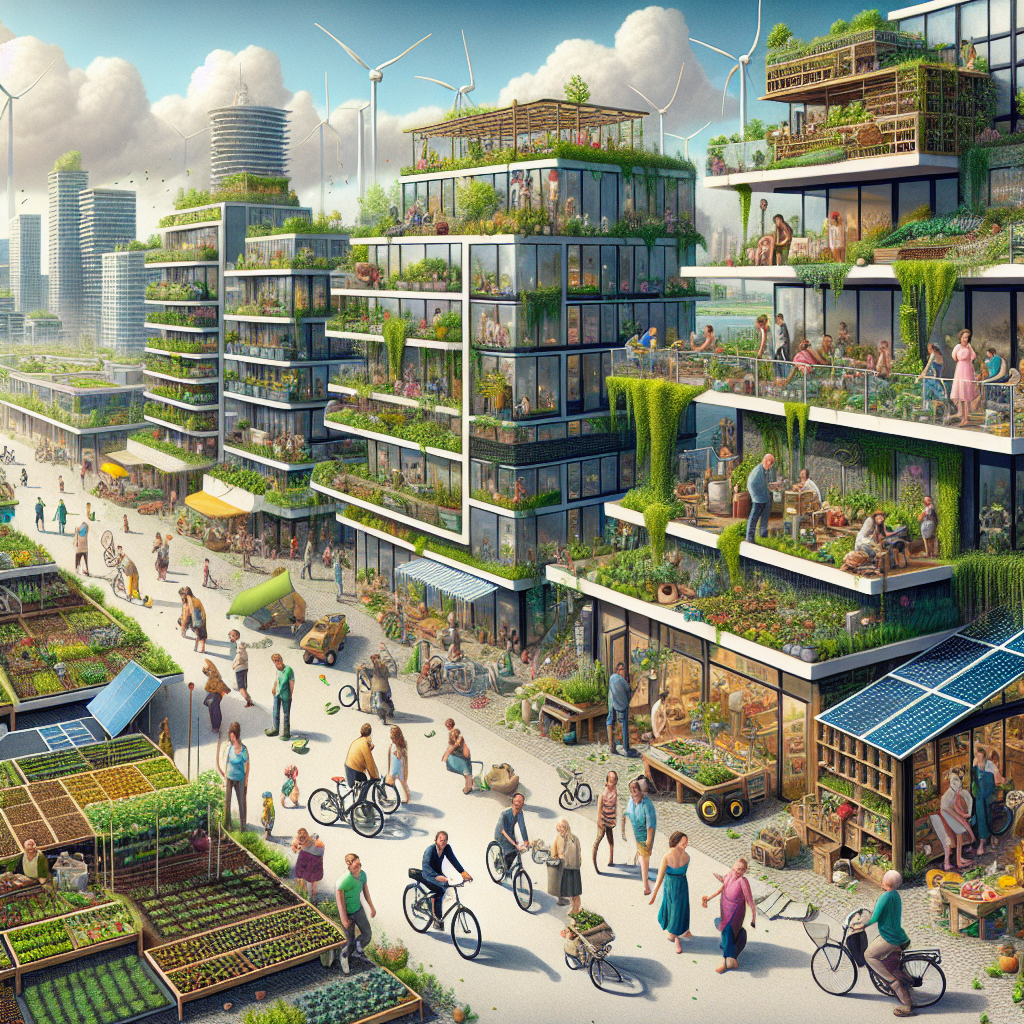
Achieving Happiness Through Urban Permaculture and Sustainable Living
Introduction
In recent years, the quest for happiness has increasingly intersected with the pursuit of sustainability. As urban environments continue to expand, the need for sustainable living practices has become more pressing. Urban permaculture offers a promising solution by integrating ecological principles into city living, promoting both environmental health and personal well-being. This article explores how urban permaculture and sustainable living practices can lead to greater happiness, highlighting key concepts, benefits, and practical steps for implementation.
Understanding Urban Permaculture
Urban permaculture is a design philosophy that applies the principles of permaculture to urban settings. It emphasizes creating sustainable and self-sufficient ecosystems within cities, transforming them into productive and regenerative spaces. The core tenets of permaculture include earth care, people care, and fair share, which collectively aim to harmonize human activity with the natural environment.
Key Principles of Urban Permaculture
– Observation and Interaction: Understanding the unique characteristics of an urban environment and its natural systems is crucial for effective design.
– Catch and Store Energy: Utilizing renewable energy sources and maximizing energy efficiency can reduce reliance on non-renewable resources.
– Obtain a Yield: Designing systems to produce food, energy, or other resources ensures sustainability and resilience.
– Apply Self-regulation and Accept Feedback: Continuous assessment and adaptation of practices help maintain ecological balance.
– Use and Value Renewable Resources: Prioritizing renewable over finite resources supports long-term sustainability.
– Produce No Waste: Implementing waste reduction strategies, such as composting and recycling, minimizes environmental impact.
Benefits of Urban Permaculture
Urban permaculture offers numerous benefits that contribute to both personal happiness and community well-being. By fostering a closer connection to nature and promoting sustainable practices, individuals and communities can experience a range of positive outcomes.
Environmental Benefits
– Biodiversity: Urban permaculture enhances biodiversity by creating habitats for various species, contributing to ecological resilience.
– Resource Efficiency: By optimizing resource use and minimizing waste, urban permaculture reduces the ecological footprint of cities.
– Climate Resilience: Green spaces and sustainable practices mitigate urban heat island effects and improve air quality.
Social and Economic Benefits
– Community Building: Urban permaculture projects often involve community collaboration, strengthening social ties and fostering a sense of belonging.
– Food Security: Growing food locally increases access to fresh produce and reduces dependency on external food sources.
– Economic Opportunities: Sustainable practices can lead to job creation in areas such as urban farming, renewable energy, and eco-friendly product development.
Personal Well-being
– Mental Health: Engaging with nature through gardening and permaculture activities has been shown to reduce stress and improve mental health.
– Physical Health: Growing and consuming fresh produce encourages healthier eating habits and increases physical activity.
– Sense of Purpose: Contributing to sustainable practices provides a sense of accomplishment and purpose.
Implementing Urban Permaculture
Transitioning to urban permaculture involves adopting practices that align with permaculture principles. While the process may seem daunting, breaking it down into manageable steps can facilitate a smoother transition.
Assessing the Urban Environment
The first step in implementing urban permaculture is understanding the specific characteristics of the environment. This involves:
– Mapping the Area: Identifying existing natural features, infrastructure, and potential resources.
– Analyzing Sun and Wind Patterns: Understanding these elements helps optimize plant growth and energy efficiency.
– Soil Testing: Assessing soil quality guides decisions on planting and soil improvement techniques.
Designing the Urban Permaculture System
Once the environment is assessed, a tailored permaculture design can be developed. Key considerations include:
– Zoning: Dividing the space into zones based on usage frequency and resource needs, from high-activity areas to natural zones.
– Plant Selection: Choosing native and resilient plant species that thrive in the local climate and provide ecological benefits.
– Water Management: Implementing rainwater harvesting, greywater systems, and efficient irrigation to conserve water.
Engaging the Community
Community involvement is crucial for the success of urban permaculture projects. Strategies to engage the community include:
– Educational Workshops: Hosting workshops on permaculture principles and practices to raise awareness and build skills.
– Collaborative Projects: Encouraging community members to participate in projects such as community gardens or green roof installations.
– Partnerships: Collaborating with local organizations, schools, and businesses to expand the reach and impact of permaculture initiatives.
Overcoming Challenges
While urban permaculture offers numerous benefits, it also presents challenges that must be addressed to ensure success.
Space Limitations
Urban areas often have limited space for permaculture projects. Creative solutions include:
– Vertical Gardening: Utilizing walls and structures for growing plants vertically.
– Rooftop Gardens: Transforming rooftops into productive green spaces.
– Container Gardening: Using pots and containers to grow plants in small spaces.
Regulatory Hurdles
Navigating regulatory frameworks can be challenging. Strategies to address this include:
– Advocacy: Engaging with local authorities to promote policies that support urban permaculture.
– Compliance: Ensuring projects adhere to zoning laws, building codes, and environmental regulations.
– Pilot Projects: Demonstrating the benefits of urban permaculture through small-scale pilot projects to gain support.
Community Resistance
Some community members may be resistant to change. To overcome this:
– Communication: Clearly communicate the benefits and potential of urban permaculture.
– Inclusivity: Involve diverse community members in the planning and decision-making process.
– Success Stories: Highlight successful case studies to inspire and motivate participation.
Conclusion
Urban permaculture and sustainable living offer a pathway to achieving happiness by fostering a deeper connection with nature, promoting environmental stewardship, and enhancing community well-being. By integrating permaculture principles into urban environments, individuals and communities can create resilient, productive, and harmonious spaces that contribute to a more sustainable future. Embracing urban permaculture not only addresses environmental challenges but also enriches our lives, paving the way for a happier and healthier society. Through collective effort and commitment, the vision of sustainable urban living can become a reality, transforming cities into thriving ecosystems that nurture both people and the planet.
