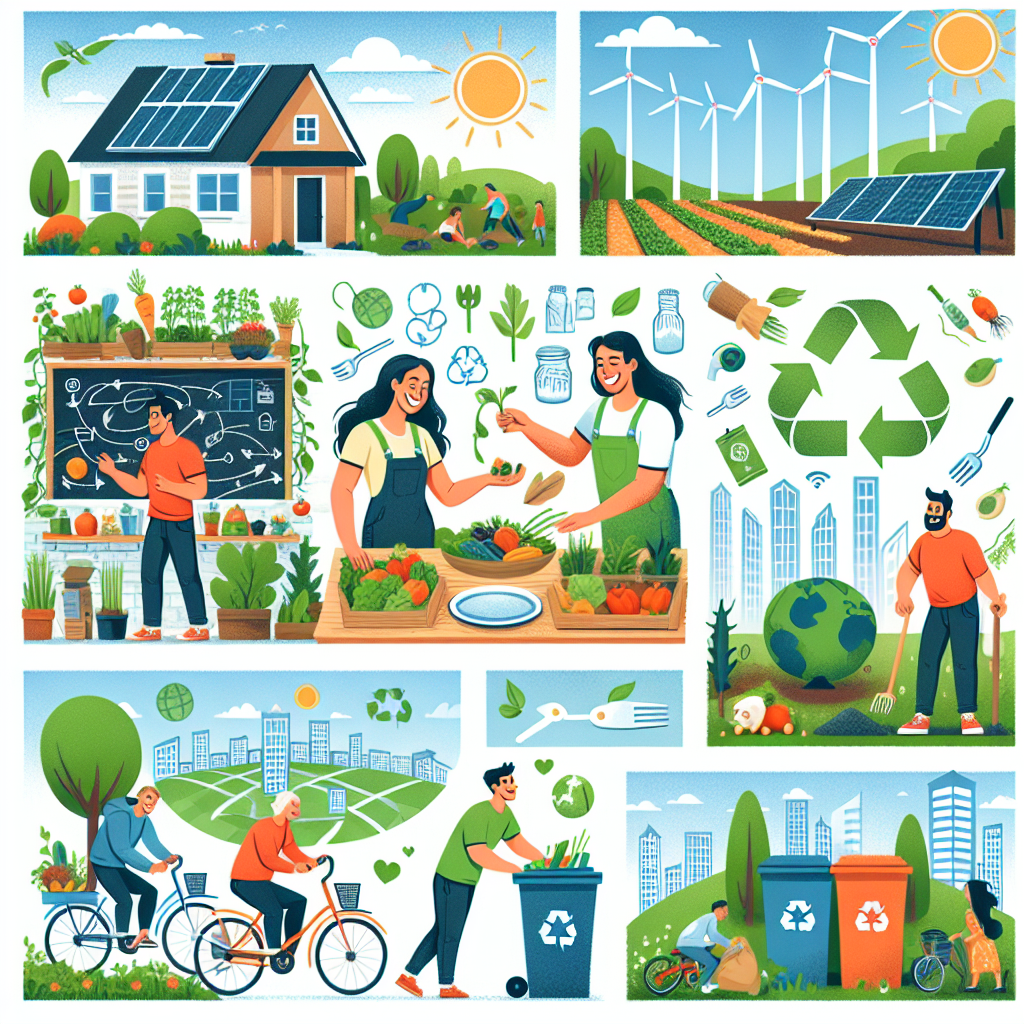
Achieving Happiness Through Sustainable Living Practices
Introduction
In today’s fast-paced world, the pursuit of happiness often seems intertwined with material wealth and consumption. However, research and real-life examples suggest that sustainable living practices can lead to a more fulfilling and happier life. Sustainable living is not merely about reducing one’s carbon footprint; it is a holistic approach to life that emphasizes balance, mindfulness, and community. This article explores how adopting sustainable living practices can enhance individual happiness and contribute to a healthier planet.
Understanding Sustainable Living
Sustainable living is a lifestyle choice that seeks to minimize one’s environmental impact. It involves making conscious decisions about how we consume resources and interact with the environment. This lifestyle encompasses various aspects, including energy consumption, waste management, food choices, and transportation. By aligning daily habits with sustainable practices, individuals can contribute to environmental conservation and improve their quality of life.
Key Components of Sustainable Living
1. Energy Efficiency: Reducing energy consumption through the use of energy-efficient appliances and renewable energy sources.
2. Waste Reduction: Minimizing waste by recycling, composting, and choosing products with minimal packaging.
3. Sustainable Transportation: Opting for public transportation, cycling, or walking instead of driving.
4. Ethical Consumption: Supporting local businesses and choosing products that are ethically produced and environmentally friendly.
5. Mindful Eating: Consuming locally sourced, organic, and plant-based foods to reduce the carbon footprint associated with food production.
The Connection Between Sustainable Living and Happiness
Living sustainably aligns with many psychological principles that contribute to happiness. These include a sense of purpose, community connection, and personal growth. By adopting sustainable practices, individuals can experience a deeper sense of fulfillment and well-being.
Sense of Purpose
Engaging in sustainable living practices provides a sense of purpose. Knowing that one’s actions contribute to the well-being of the planet and future generations can instill a sense of accomplishment and meaning. This aligns with the psychological concept of eudaimonic happiness, which is derived from living a life that is true to one’s values and purpose.
Community and Connection
Sustainable living often involves community engagement, whether through local farmers’ markets, community gardens, or environmental advocacy groups. These interactions foster a sense of belonging and connection, which are essential components of happiness. Building relationships with like-minded individuals can enhance social support networks and create a sense of community.
Personal Growth and Mindfulness
Sustainable living encourages mindfulness and personal growth. By being more aware of consumption habits and their impact on the environment, individuals cultivate mindfulness in their daily lives. This heightened awareness can lead to personal growth as individuals learn to prioritize what truly matters and let go of unnecessary material possessions.
Practical Steps to Achieve Happiness Through Sustainable Living
Transitioning to a sustainable lifestyle does not require drastic changes overnight. Instead, it involves gradual adjustments that can lead to long-term happiness and fulfillment. Here are practical steps to incorporate sustainable living practices into daily life:
1. Assess Your Current Lifestyle
– Conduct a personal audit of your current consumption habits.
– Identify areas where you can reduce waste and energy consumption.
2. Set Realistic Goals
– Establish achievable goals for reducing your environmental impact.
– Start with small changes and gradually incorporate more sustainable practices.
3. Educate Yourself
– Stay informed about environmental issues and sustainable practices.
– Read books, attend workshops, and join online communities focused on sustainability.
4. Make Conscious Choices
– Choose products that are environmentally friendly and ethically produced.
– Support local businesses and farmers to reduce your carbon footprint.
5. Embrace Minimalism
– Simplify your life by decluttering and reducing material possessions.
– Focus on experiences and relationships rather than material wealth.
6. Foster Community Connections
– Participate in local sustainability initiatives and community events.
– Join or start a community garden to grow your own food and connect with others.
7. Practice Mindful Eating
– Opt for a plant-based diet and reduce meat consumption.
– Choose organic and locally sourced foods to support sustainable agriculture.
Overcoming Challenges in Sustainable Living
While the benefits of sustainable living are numerous, individuals may encounter challenges along the way. These can include resistance to change, financial constraints, and societal pressures. However, by acknowledging these challenges and finding creative solutions, individuals can successfully transition to a sustainable lifestyle.
Resistance to Change
Change can be daunting, especially when it involves altering long-standing habits. To overcome resistance, it is essential to focus on the positive impact of sustainable living on personal well-being and the environment. Gradual changes and setting small, achievable goals can make the transition smoother.
Financial Constraints
While some sustainable practices may require an initial investment, such as installing solar panels or purchasing energy-efficient appliances, many sustainable choices can lead to long-term savings. For instance, reducing energy consumption and minimizing waste can lower utility bills and decrease spending on disposable products.
Societal Pressures
Societal norms and pressures can make sustainable living seem challenging, particularly when it involves going against the grain. However, by building a supportive community of like-minded individuals, it becomes easier to maintain sustainable practices. Sharing experiences and successes with others can also inspire and motivate continued efforts.
The Broader Impact of Sustainable Living
Beyond personal happiness, sustainable living practices have a broader impact on society and the environment. By adopting these practices, individuals contribute to a collective effort to combat climate change and preserve natural resources for future generations. This collective action can lead to systemic changes that promote environmental sustainability on a larger scale.
Environmental Conservation
Sustainable living practices directly contribute to environmental conservation. By reducing energy consumption, minimizing waste, and supporting sustainable agriculture, individuals help preserve ecosystems and biodiversity. These efforts are crucial in mitigating the effects of climate change and ensuring a healthy planet for future generations.
Social Equity
Sustainable living also promotes social equity by addressing issues such as fair trade, ethical labor practices, and access to resources. By supporting ethical and sustainable businesses, individuals contribute to a more equitable and just society. This aligns with the broader goal of sustainability, which encompasses environmental, social, and economic dimensions.
Conclusion
Achieving happiness through sustainable living practices is not only possible but also rewarding. By aligning daily habits with sustainable principles, individuals can experience a deeper sense of fulfillment and well-being. Sustainable living fosters a sense of purpose, community connection, and personal growth, all of which are essential components of happiness. Moreover, these practices contribute to a healthier planet and a more equitable society. As individuals embrace sustainable living, they not only enhance their own happiness but also contribute to a collective effort to create a sustainable and thriving world.
