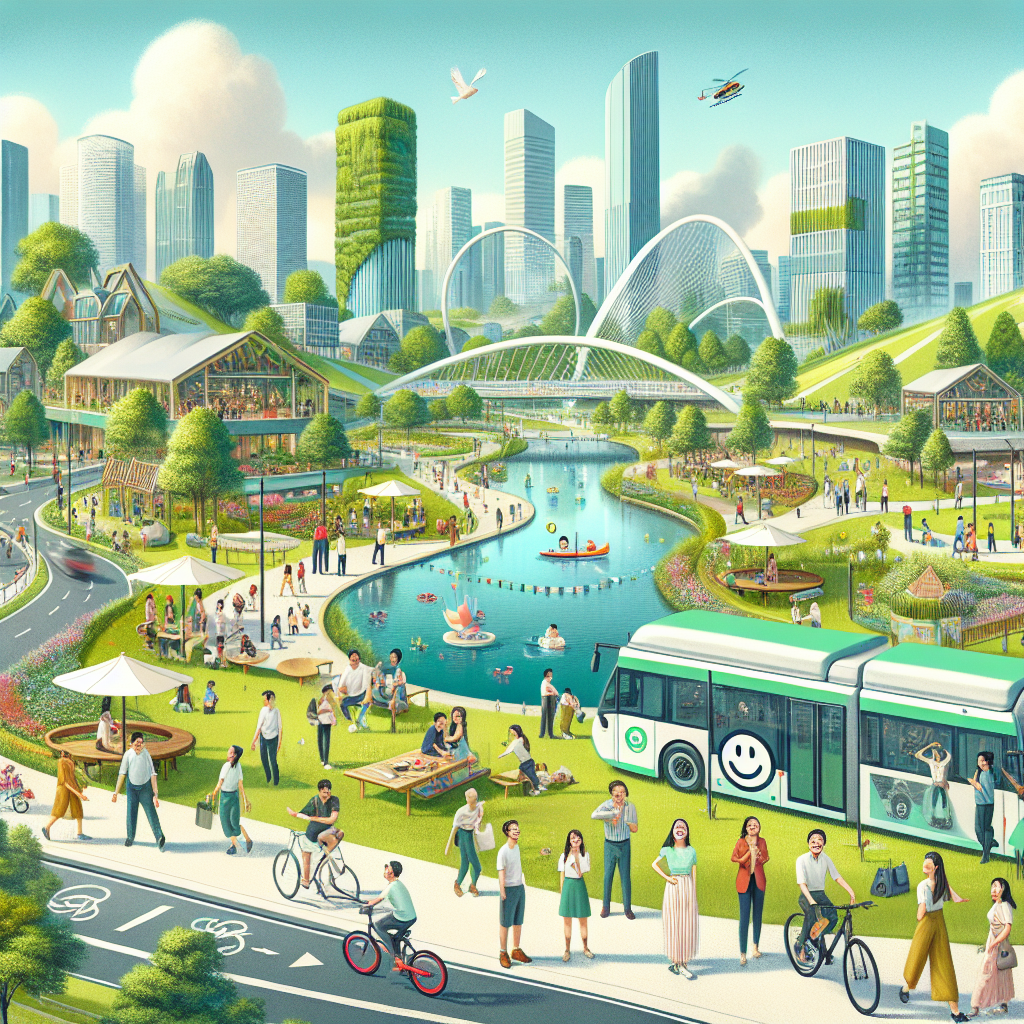
Achieving Happiness Through Mindful Urban Planning and Design
Introduction
In an era where urbanization continues to shape the landscapes of our cities, the quest for happiness has become a paramount concern for urban planners and designers. The environment in which we live significantly influences our mental well-being, and thoughtful urban planning can play a pivotal role in enhancing the quality of life for city dwellers. This article explores how mindful urban planning and design can contribute to happiness, examining key principles, successful case studies, and future directions for creating cities that prioritize human well-being.
The Role of Urban Planning in Enhancing Happiness
Urban planning is the process of designing and regulating the use of space in cities, focusing on the physical, social, and economic environment. It encompasses various elements such as transportation systems, public spaces, housing, and infrastructure. Mindful urban planning considers the needs and desires of the community, aiming to create environments that promote happiness, health, and well-being.
Key Principles of Mindful Urban Planning
1. Human-Centric Design
The core of mindful urban planning is placing people at the center of the design process. This involves understanding the diverse needs of the community and ensuring that urban spaces are accessible, inclusive, and equitable. Human-centric design prioritizes:
– Walkability: Designing pedestrian-friendly streets to encourage walking and reduce reliance on cars.
– Accessibility: Ensuring that public spaces are easily accessible to people of all abilities.
– Safety: Creating environments that are safe for all residents, particularly vulnerable groups such as children and the elderly.
2. Green Spaces and Nature Integration
Nature has a profound impact on human happiness and well-being. Integrating green spaces into urban environments can reduce stress, improve mental health, and foster social connections. Key strategies include:
– Parks and Gardens: Developing public parks, community gardens, and green rooftops to provide residents with opportunities for recreation and relaxation.
– Urban Forestry: Planting trees and maintaining urban forests to improve air quality and provide shade.
– Biodiversity: Encouraging biodiversity by creating habitats for wildlife within urban areas.
3. Community Engagement
Engaging the community in the urban planning process ensures that the needs and preferences of residents are reflected in the design. This can be achieved through:
– Public Consultations: Organizing workshops, surveys, and meetings to gather input from residents.
– Participatory Design: Involving community members in the design process to create spaces that reflect their values and aspirations.
– Collaborative Governance: Encouraging partnerships between local governments, community organizations, and residents to drive urban development.
4. Sustainable Infrastructure
Sustainability is a critical component of mindful urban planning. Developing sustainable infrastructure can enhance happiness by reducing environmental impact and improving quality of life. Key elements include:
– Renewable Energy: Implementing solar panels, wind turbines, and other renewable energy sources to power urban areas.
– Efficient Transportation: Promoting public transit, cycling, and car-sharing to reduce traffic congestion and pollution.
– Water Management: Designing efficient water management systems to conserve resources and prevent flooding.
Case Studies of Successful Urban Planning
1. Copenhagen, Denmark
Copenhagen is renowned for its successful urban planning, which prioritizes sustainability and quality of life. The city is designed to be bike-friendly, with extensive cycling infrastructure and policies that encourage cycling as a primary mode of transportation. Copenhagen’s commitment to green spaces is evident in its numerous parks and waterfront areas, which provide residents with access to nature and recreational opportunities.
2. Singapore
Singapore’s urban planning is characterized by its integration of nature and urban development. The city-state has implemented policies to preserve green spaces and promote biodiversity, resulting in a lush urban environment. Singapore’s commitment to sustainability is also reflected in its efficient public transportation system and innovative water management practices.
3. Curitiba, Brazil
Curitiba is often cited as a model for sustainable urban planning in developing countries. The city’s focus on public transportation, recycling, and green spaces has improved the quality of life for its residents. Curitiba’s innovative bus rapid transit system has reduced traffic congestion and pollution, while its extensive park network provides residents with access to nature.
Future Directions in Urban Planning for Happiness
As cities continue to grow, urban planners and designers must adopt new strategies to enhance happiness and well-being. Future directions in urban planning include:
1. Smart Cities and Technology Integration
The integration of technology into urban planning can improve the efficiency and sustainability of cities. Smart city technologies can enhance happiness by:
– Optimizing Transportation: Using data analytics to improve traffic flow and reduce congestion.
– Enhancing Public Services: Implementing digital platforms to streamline access to public services and information.
– Improving Safety: Utilizing surveillance and monitoring systems to enhance public safety.
2. Resilience and Climate Adaptation
Climate change poses significant challenges for urban areas, and building resilience is crucial for ensuring long-term happiness. Strategies for climate adaptation include:
– Flood Management: Designing infrastructure to manage stormwater and prevent flooding.
– Heat Mitigation: Implementing measures to reduce urban heat islands, such as green roofs and reflective surfaces.
– Disaster Preparedness: Developing emergency response plans to protect residents from natural disasters.
3. Social Equity and Inclusion
Promoting social equity and inclusion in urban planning is essential for creating environments where all residents can thrive. Strategies include:
– Affordable Housing: Ensuring access to affordable and diverse housing options for all income levels.
– Inclusive Public Spaces: Designing public spaces that cater to the needs of diverse communities.
– Equitable Access: Providing equitable access to transportation, education, and healthcare services.
Conclusion
Mindful urban planning and design have the potential to significantly enhance happiness and well-being in urban areas. By prioritizing human-centric design, integrating nature, engaging communities, and promoting sustainability, cities can create environments that foster happiness and improve quality of life. As urbanization continues to shape our world, it is essential for planners and designers to embrace innovative strategies that prioritize the well-being of residents and create cities that are not only livable but truly enjoyable places to call home.
