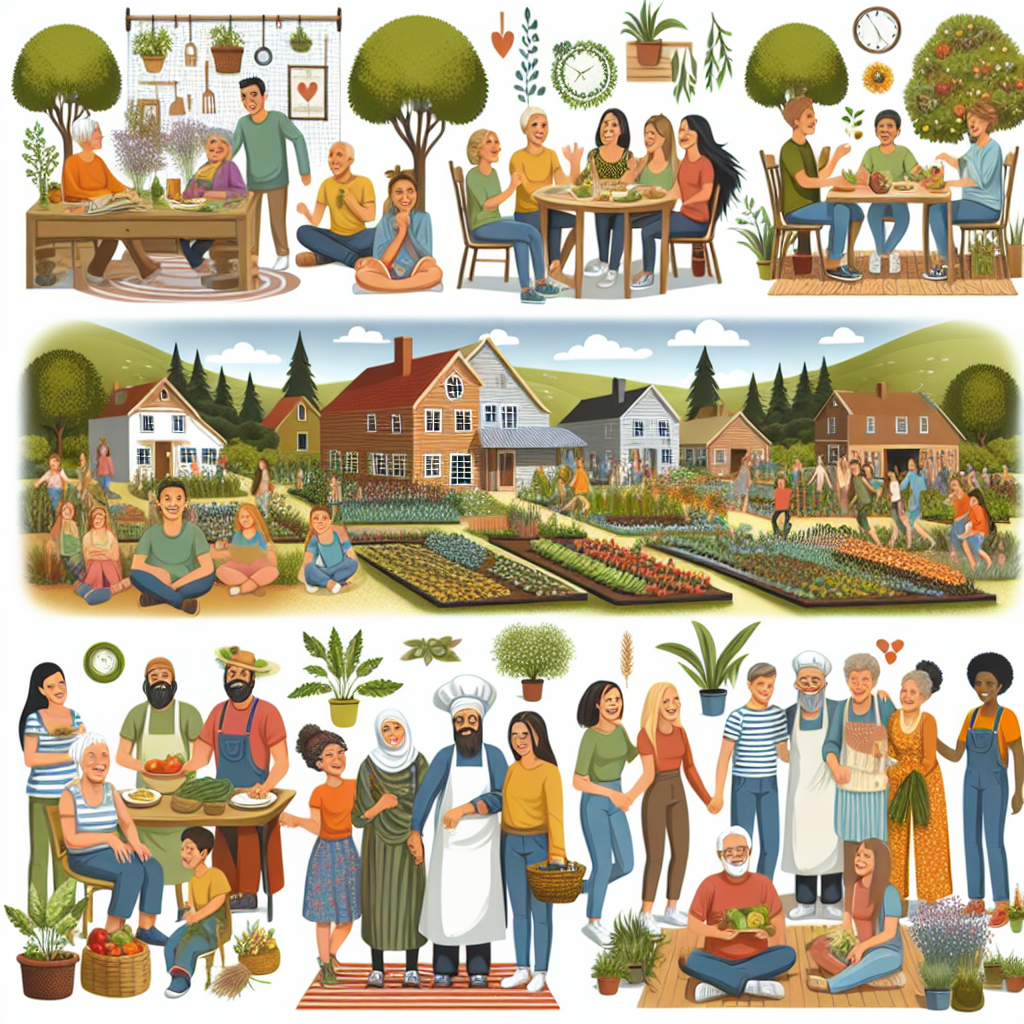
Achieving Happiness Through Intentional Community Living
Introduction
In the modern world, where urbanization and digitalization often lead to isolation and disconnection, the concept of intentional community living is gaining traction as a pathway to enhanced happiness and fulfillment. Intentional communities are groups of people who choose to live together based on shared values, goals, or interests. These communities can take various forms, from cohousing arrangements to eco-villages and spiritual communes. This article explores the benefits of intentional community living, the different types of communities, and practical steps to create or join such a community.
Understanding Intentional Community Living
Intentional community living is not a new phenomenon. Historically, humans have lived in close-knit groups for survival, support, and social interaction. However, the modern iteration of intentional communities is more focused on shared values and conscious living. These communities are designed to foster a sense of belonging, cooperation, and sustainability.
Types of Intentional Communities
1. Cohousing Communities
– Cohousing communities consist of private homes clustered around shared spaces.
– Residents manage the community collectively, often sharing responsibilities like cooking and maintenance.
– Cohousing emphasizes collaboration and social interaction while maintaining individual privacy.
2. Eco-Villages
– Eco-villages prioritize sustainable living, often incorporating renewable energy, permaculture, and waste reduction.
– These communities aim to minimize their ecological footprint while promoting a harmonious relationship with nature.
– Residents often engage in collective decision-making and resource sharing.
3. Spiritual Communities
– Spiritual communities are formed around shared spiritual or religious beliefs.
– These communities may focus on meditation, prayer, or other spiritual practices.
– Members support each other’s spiritual growth and personal development.
4. Cooperative Housing
– Cooperative housing involves residents owning and managing the property collectively.
– This model emphasizes affordability and democratic decision-making.
– Cooperative housing can be found in urban and rural settings.
5. Communal Living
– Communal living involves sharing resources and responsibilities more extensively.
– Members may share income, meals, and chores, fostering a strong sense of unity.
– These communities often operate on principles of equality and mutual support.
Benefits of Intentional Community Living
1. Social Connection
– Living in an intentional community provides a built-in social network.
– Regular interactions with neighbors can reduce feelings of loneliness and isolation.
– Shared activities and events foster deeper relationships and a sense of belonging.
2. Emotional Support
– Community members offer emotional support during challenging times.
– The collective environment encourages open communication and empathy.
– Residents can rely on one another for guidance and encouragement.
3. Shared Resources
– Intentional communities often pool resources, reducing individual expenses.
– Shared facilities like kitchens, gardens, and workshops enhance efficiency.
– Resource sharing promotes sustainability and reduces environmental impact.
4. Personal Growth
– Living in a community encourages personal development through collaboration.
– Members learn conflict resolution, communication, and leadership skills.
– Exposure to diverse perspectives broadens understanding and empathy.
5. Environmental Sustainability
– Many intentional communities prioritize eco-friendly practices.
– Sustainable living reduces carbon footprints and promotes environmental stewardship.
– Community initiatives like recycling, composting, and renewable energy benefit the planet.
Challenges and Considerations
While intentional community living offers numerous benefits, it also presents challenges that require careful consideration.
1. Conflict Resolution
– Disagreements are inevitable in any community setting.
– Effective communication and conflict resolution strategies are essential.
– Establishing clear guidelines and decision-making processes can mitigate conflicts.
2. Financial Considerations
– Joining or creating a community may involve financial investments.
– Members must agree on financial contributions and management.
– Transparency and accountability are crucial for financial stability.
3. Privacy Concerns
– Living in close proximity to others can impact privacy.
– Establishing boundaries and respecting personal space is important.
– Communities should balance social interaction with individual autonomy.
4. Commitment and Compatibility
– Successful communities require commitment from all members.
– Shared values and goals are essential for long-term harmony.
– Prospective members should assess compatibility before joining.
Steps to Create or Join an Intentional Community
1. Define Your Vision
– Identify your values, goals, and priorities for community living.
– Consider the type of community that aligns with your vision.
– Research existing communities to find a suitable match.
2. Connect with Like-Minded Individuals
– Attend community events, workshops, and conferences.
– Join online forums and social media groups dedicated to intentional living.
– Network with individuals who share your interests and values.
3. Visit Prospective Communities
– Arrange visits to communities you are interested in.
– Observe daily life, community dynamics, and decision-making processes.
– Engage with current members to gain insights into community culture.
4. Assess Compatibility
– Evaluate whether the community’s values and lifestyle align with your own.
– Consider the level of commitment required and your willingness to contribute.
– Discuss expectations, responsibilities, and community goals with members.
5. Participate Actively
– Once you join a community, engage actively in its activities and governance.
– Contribute your skills and talents to benefit the community.
– Foster open communication and collaboration with fellow members.
Conclusion
Intentional community living offers a promising alternative to the isolation and disconnection often associated with modern life. By fostering social connections, promoting personal growth, and encouraging sustainable practices, these communities can significantly enhance happiness and well-being. While challenges exist, careful planning and commitment can lead to a fulfilling and harmonious community experience. Whether you choose to join an existing community or create your own, intentional living provides an opportunity to build meaningful relationships and contribute to a more sustainable and connected world.
