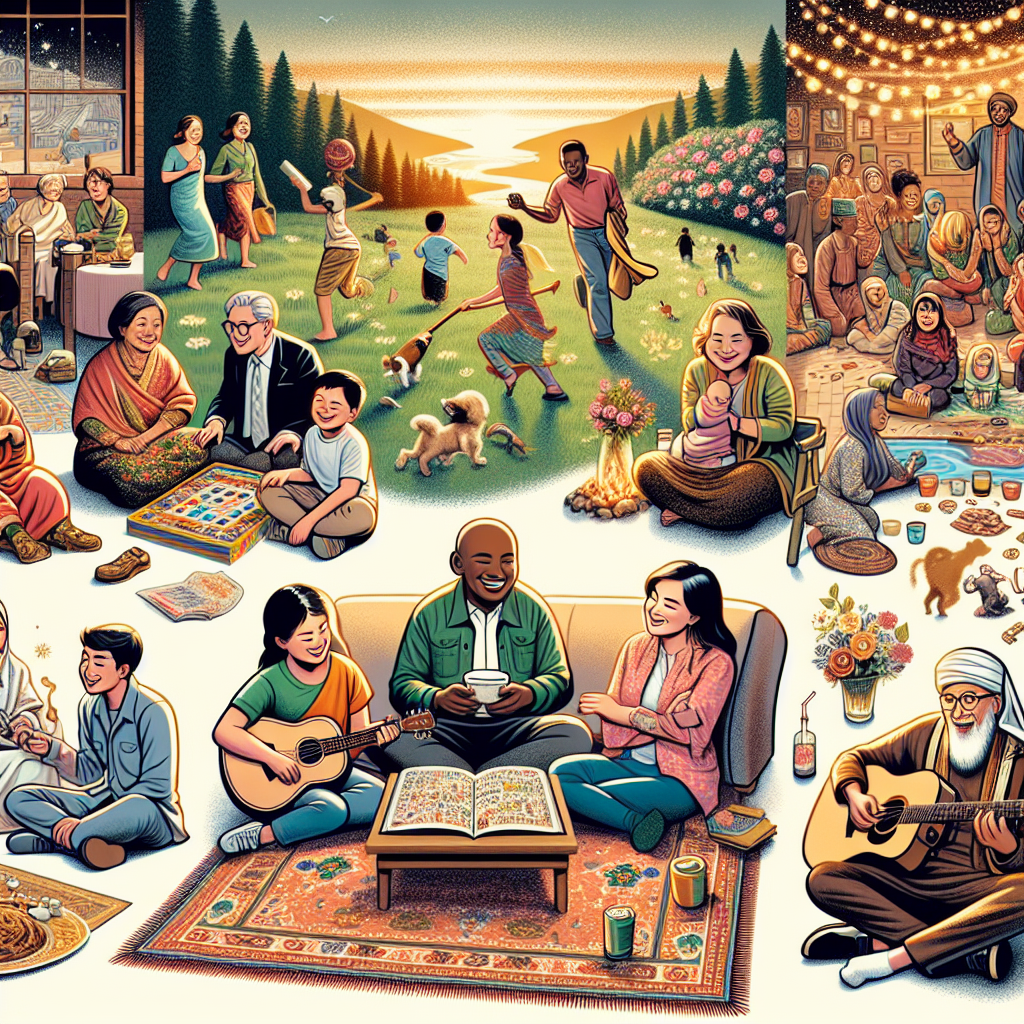
Cultural Variations in the Pursuit of Happiness
The quest for happiness is a universal endeavor; however, the paths we tread in search of this elusive state are deeply influenced by the cultural landscapes we inhabit. What one society considers as the pinnacle of contentment may barely scratch the surface of another’s happiness criteria. The ingredients for happiness vary widely across cultures, painting a vibrant mosaic of human emotion and fulfillment. This article will delve into the cultural nuances of what it means to be happy and how various societies around the world embark on their unique journeys toward this common goal.
Understanding the Cultural Context
The pursuit of happiness cannot be detached from the cultural context in which it is sought. Cultures shape individuals’ values, behavior, and understanding of what constitutes a good life. Whether it’s the communal joy found in a South American festival or the quiet contentment of a Scandinavian hygge evening, the cultural backdrop is a fundamental element in the equation of happiness.
Different Cultures, Different Happiness
Each culture has its own definition and expression of happiness, which is often reflected in their languages, traditions, and everyday practices. Let’s explore some of these distinct cultural approaches to happiness:
– **The Western Pursuit of Individual Happiness**
In many Western cultures, particularly in the United States, happiness is often conceptualized as an individual achievement. The American Dream encapsulates this ideal, depicting happiness as the result of personal effort, success, and the accumulation of wealth and material possessions. Self-help books and motivational speakers reinforce this notion, promoting the idea that happiness is within an individual’s control and is a sign of personal accomplishment.
– **The Eastern Emphasis on Collective Well-being**
In contrast, Eastern cultures, such as Japan and China, traditionally prioritize collective well-being over individual attainment. The Confucian concept of harmony underscores the importance of social balance and familial duty. In such societies, one’s happiness is deeply intertwined with the happiness of others, and acting in consideration of the group is prioritized. This perspective emphasizes relationships and social roles as key components of happiness.
– **The Nordic Model of Social Support**
Nordic countries—often ranked high in global happiness reports—highlight the role of social support and egalitarianism in their conception of happiness. These nations tend to have strong social welfare systems, which provide a safety net and contribute to a sense of security and trust within the community. The idea that happiness stems from social equality and collective responsibility forms the backbone of their societal structure.
The Role of Religion and Spirituality
Religion and spirituality play a significant role in shaping cultural understandings of happiness and fulfillment. For many, religious beliefs and practices offer a framework within which happiness is pursued. Here are a few examples:
– **Buddhism and the Concept of Inner Peace**
Buddhism teaches that happiness arises from inner peace and the cessation of suffering, which is achieved through the practice of mindfulness and the Eightfold Path. The Buddhist approach focuses on detachment from material desires and the cultivation of compassion and wisdom.
– **Christianity and the Pursuit of Virtue**
In Christianity, happiness is often linked to virtuous living and the promise of eternal life. Values such as love, charity, and forgiveness are seen as keys to a happy life. The community aspect of Christian worship also encourages a sense of belonging and shared joy.
– **Islamic Views on Contentment**
Islam emphasizes contentment (qana’ah) as a source of happiness, advocating for gratefulness and acceptance of one’s fate (tawakkul). The concept of community (ummah) is central, with happiness seen as a collective experience strengthened through fellowship and helping others.
Cultural Practices and Rituals
Cultures have a rich tapestry of practices and rituals that contribute to the pursuit of happiness. These are not mere formalities but serve as ways to cultivate joy, celebrate life, and foster community bonds. Examples include:
– **Festivals and Celebrations**
From the vibrant colors of India’s Holi festival to the spirited dances of Brazil’s Carnival, festivals are a profound expression of cultural happiness. These events create opportunities for communal bonding, self-expression, and the celebration of cultural identity.
– **Family and Social Gatherings**
In Mediterranean and Latin cultures, family gatherings and communal meals are at the heart of social life. Sharing food, conversation, and laughter is a way to nurture relationships and create a sense of warmth and happiness.
– **Rituals of Gratitude**
Many cultures have daily or periodic rituals of gratitude, such as the Japanese practice of saying “itadakimasu” before a meal to express thanks, or Thanksgiving in the United States, where gratitude is shared amongst family and friends.
The Influence of Language
Language reflects and shapes our perception of the world, including how we experience happiness. Some languages have unique words that encapsulate specific aspects of happiness that are culturally significant:
– **Hygge and Happiness in Denmark**
The Danish concept of “hygge” signifies a cozy, contented feeling of togetherness and well-being. It captures the essence of finding joy in simple pleasures and comfortable companionship.
– **Ubuntu in African Philosophy**
The Bantu term “ubuntu” can be translated as “I am because we are.” This philosophy stresses communal bonds and reciprocity, suggesting that an individual’s happiness is inseparable from the well-being of the community.
– **The Greek Concept of Eudaimonia**
Eudaimonia is a Greek term often translated as flourishing or well-being. It refers to living in accordance with one’s virtues and fulfilling one’s potential, leading to a deeper sense of happiness and purpose.
Adapting to Globalism
In an increasingly globalized world, cultures are interacting and influencing each other as never before. This cross-cultural exchange is leading to an evolving understanding of happiness that encompasses diverse perspectives. People are adopting practices from other cultures that resonate with them, such as mindfulness meditation from Buddhism or Scandinavian hygge, as they seek to enhance their well-being.
Conclusion
Happiness is a complex and multifaceted pursuit, deeply rooted in cultural context. From individual achievements in the West to collective well-being in the East and social equality in the North, every culture offers unique insights into the many ways humans pursue and experience happiness. Religion, spirituality, language, and rituals further enrich these cultural dimensions, providing a broader canvas for understanding this universal yet elusive phenomenon.
The beauty of cultural variations in the pursuit of happiness lies in the rich diversity of experiences they offer. As the world becomes more interconnected, we have much to learn from each other’s happiness philosophies. Embracing this diversity can help us find new paths to fulfillment and well-being, reminding us that happiness, in all its forms, is a shared human aspiration.
