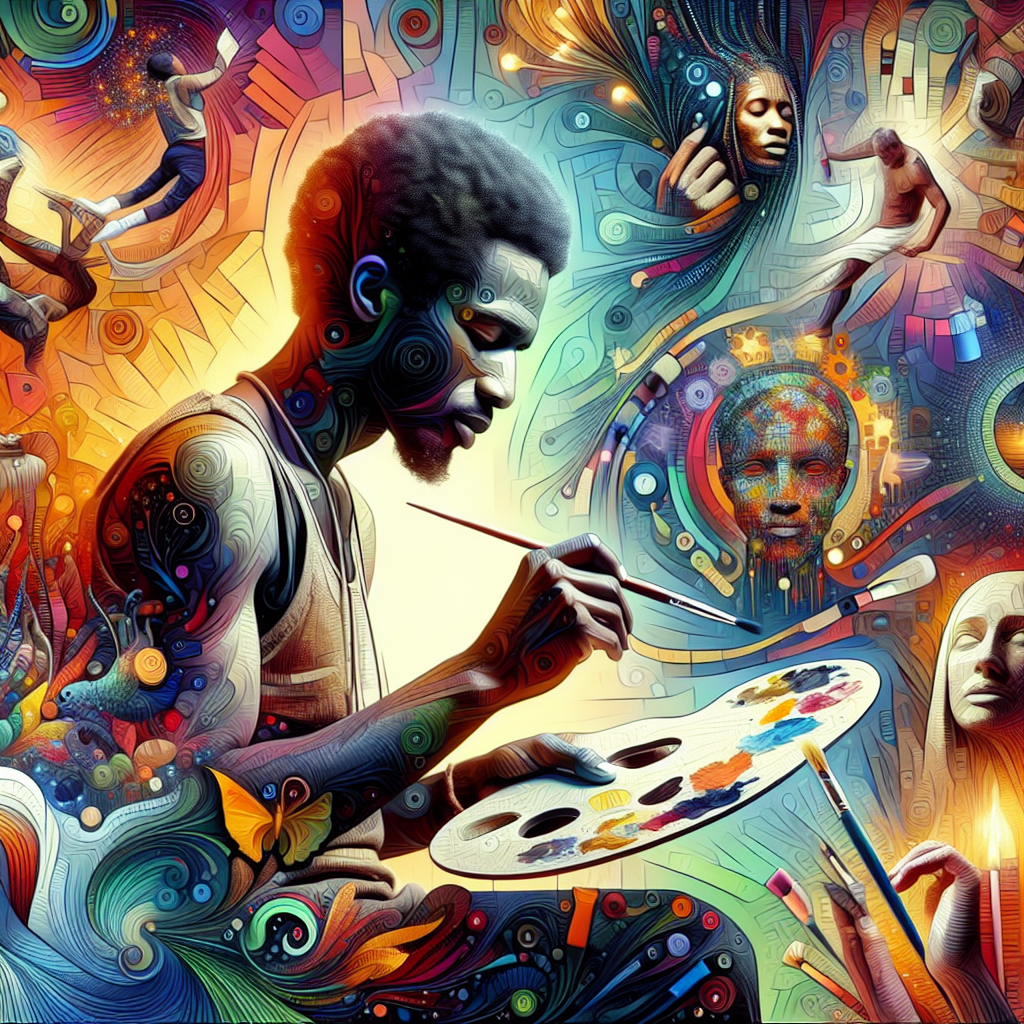
Finding Happiness in the Arts: The Therapeutic Power of Creativity
The Pursuit of Happiness Through Creative Expression
Human beings have long turned to the arts as a source of pleasure, solace, and self-expression. Whether it be through painting, music, literature, or dance, the arts have the remarkable ability to enrich our lives, lifting our spirits and providing a safe haven from the trials and tribilities of daily life. Seeking happiness is an intrinsic part of what it means to be human, and increasingly, people are finding that happiness in the artistic endeavors they pursue, thanks to the therapeutic powers of creativity.
Understanding the Therapeutic Nature of Art
Art therapy has been recognized as a field for several decades now, and its principles are widely used to aid in mental health treatment. But even outside of formal therapy sessions, engaging in artistic activities can offer numerous psychological benefits. From reducing stress and anxiety to improving mood and boosting self-esteem, creative expression has a transformative effect on the heart and mind.
– Stress Reduction and Relaxation
Engaging in arts and crafts has a meditative effect. Activities such as painting, knitting, or sculpting require focus and can draw attention away from stressors. This shift in focus can help individuals enter a state of flow, a concept developed by psychologist Mihaly Csikszentmihalyi, where one becomes fully absorbed and involved in the activity, forsaking worries and a sense of time.
– Emotional Release and Understanding
Expressive arts provide an outlet for emotions that might be difficult to verbalize. Drawing, writing, or composing music allows for the representation and processing of feelings, enabling individuals to explore and understand complex emotions. This exploration can lead to cathartic release and a sense of relief.
– Cognitive Enhancement and Problem Solving
Creative activities stimulate the brain in unique ways, promoting cognitive flexibility and problem-solving skills. Engaging with the arts encourages lateral thinking, allowing for the generation of innovative solutions and ideas.
– Self-esteem and Identity Formation
Artistic pursuits often lead to tangible end products, which can foster a sense of accomplishment and improve self-esteem. Moreover, through the arts, individuals can explore and express facets of their identity, which contributes to personal development and growth.
The Journey from Novice to Enlightenment
One does not need to be a professional artist to benefit from the therapeutic aspects of creativity. The journey through artistic growth is in itself healing and enlightening. As we develop our creative skills—regardless of the medium—several stages mark the path toward using art as a conduit for happiness.
– Beginner’s Exploration
Embarking on an artistic journey typically starts with exploration. Beginners explore various forms of art, experimenting with materials and techniques. This initial stage is all about curiosity and enjoyment, fostering a love for creative expression.
– Skill Development and Mastery
With continued practice, individuals develop skills and techniques specific to their art form. Over time, the improvement becomes evident, which can be deeply satisfying. As one advances from novice to mastery, there’s often an increased sense of pride and personal investment in the creative work.
– Finding Personal Style and Voice
As skills develop, so does a personal style or voice. This unique expression becomes a mode of personal signature, reinforcing individual identity and the authenticity of one’s work.
– Sharing and Connection
Ultimately, many individuals choose to share their creations, whether through social media, galleries, performances, or publication. Sharing one’s art can foster connections with others, leading to feedback, encouragement, and a sense of community.
Real-Life Stories of Artistic Transformation
Real-life stories attest to the transformative power of the arts. Consider the following examples:
– A corporate executive picks up painting and discovers an untapped passion for watercolors, leading him to a sense of balance and fulfillment outside the high-pressure business world.
– A retired individual decides to learn an instrument, finding joy in music and new friendships in community orchestras.
– A young adult starts journaling as a means to cope with depression, eventually writing a book that offers hope to others facing mental health challenges.
Embracing the Art Life for a Happier You
For those looking to infuse their lives with happiness through artistic engagement, here are steps to embrace an artful life:
– Designate Time for Creativity
Set aside regular time for your artistic pursuits. Whether it is daily sketching, weekly pottery classes, or monthly visits to museums, having dedicated time encourages consistent engagement with the arts.
– Create a Personal Art Space
Establish a personal space, no matter how small, dedicated to your artistic activities. A sanctuary free from distractions can significantly enhance the therapeutic benefits of your art practice.
– Join a Community of Fellow Artists
Connect with like-minded individuals who share your passion. Whether they are painters, writers, dancers, or musicians, fellow creatives can offer support, inspiration, and collaboration opportunities.
– Reflect on Your Creative Journey
Keep a journal or portfolio to document your progress, thoughts, and feelings about your art. Reflection can help you see how far you’ve come and how your relationship with the arts has contributed to your happiness.
– Be Open to New Experiences
Don’t be afraid to try new art forms. Dabble in ceramics, take a dance class, or attend a poetry slam. New experiences can provide fresh inspiration and broaden your creative horizons.
Conclusion: The Universal Language of Creativity
In conclusion, the arts provide a universal language through which we can explore and express the depths of the human experience. As instruments of healing, empowerment, and joy, artistic pursuits offer each of us the opportunity to tap into the therapeutic power of creativity. By engaging with the arts, we not only craft works of beauty and significance but also forge pathways to greater personal happiness and well-being. The arts, in their myriad forms, call to us, offering solace and inspiration. So, pick up that brush, tune that instrument, and let your creativity flow—it just might be the key to discovering a happier and more fulfilling life.
