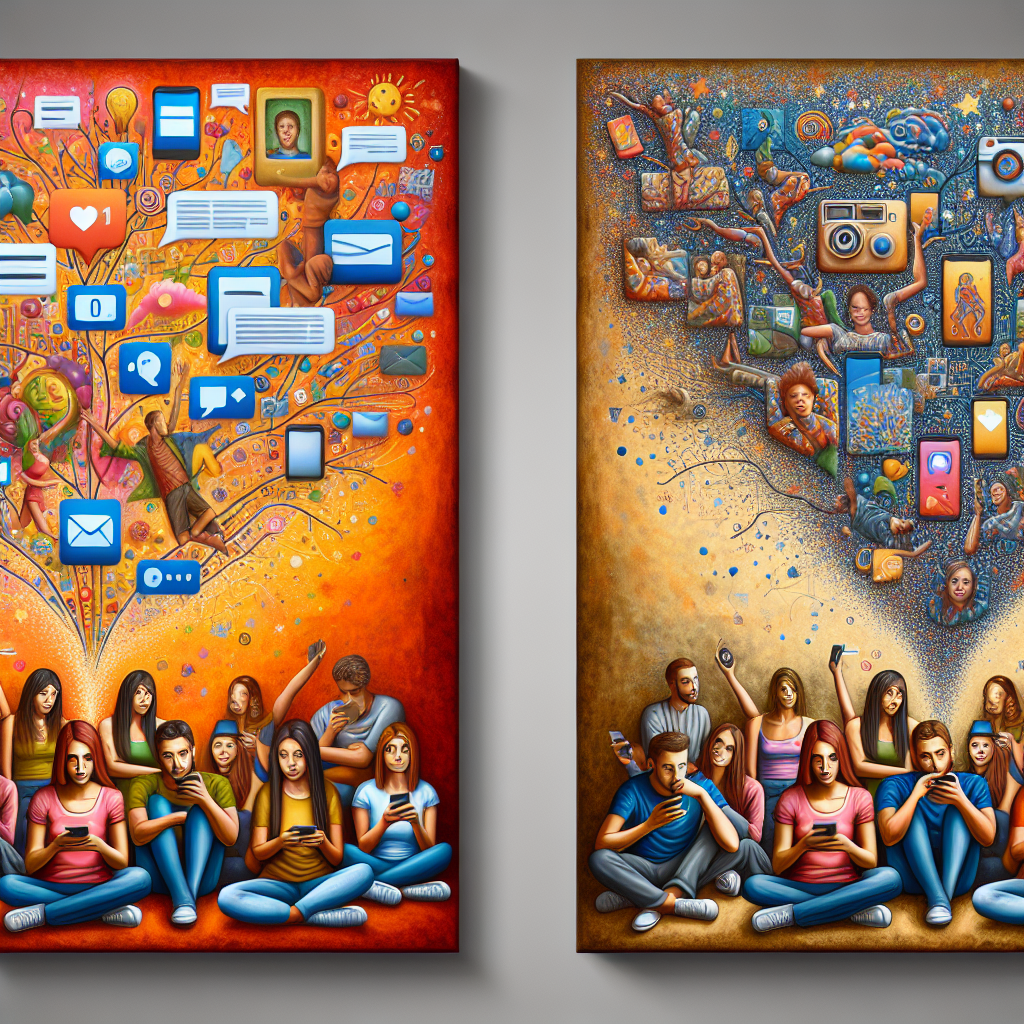
The Impact of Social Media on Happiness and Well-Being
As society navigates the digital era, social media has woven itself into the fabric of daily life. It has revolutionized the way people interact, share information, and form connections around the globe. However, as its use proliferates, there is mounting curiosity about the impact of social media on the happiness and well-being of its users. This article delves into how these platforms influence our emotional health, exploring both the positive aspects and the potential pitfalls, and offers insights on achieving a healthy balance in our digital lives.
Understanding the Composition of Social Media
Before evaluating its effects, it is essential to understand what constitutes social media. At its core, social media is an array of digital tools that enable individuals to create, share, or exchange information, ideas, and pictures/videos in virtual communities and networks. Prominent platforms include Facebook, Instagram, Twitter, LinkedIn, and recent additions like TikTok, each serving a unique role in the digital ecosystem.
The Positive Facets of Social Media
Social media plays a monumental role in modern communication, providing numerous benefits that can enhance well-being:
– **Connecting with Community**: Social media dismantles geographical barriers, paving the way for users to stay connected with friends and family, regardless of physical distance. Reunions happen with a simple click, and relationships can be maintained through regular interactions, enhancing a sense of belonging and support.
– **A Platform for Self-expression**: Users find an outlet for creative expression through posts, blogs, and videos. This form of self-expression can be deeply fulfilling and contributes to a person’s sense of identity and self-esteem.
– **Access to Information and Learning Opportunities**: It lets people access an unprecedented variety of information and resources. This learning environment can boost intellectual curiosity and personal growth, contributing positively to one’s happiness.
– **Support Networks**: Many individuals turn to social media for support during difficult times. Support groups and communities around health, mental well-being, and shared challenges provide comfort and guidance, helping individuals to feel understood and less alone.
– **Civic Engagement**: Social platforms have become arenas for civic awareness and involvement, allowing users to engage in social causes and political movements. This empowers individuals to be part of larger societal changes, which can greatly enrich their lives.
The Flip Side: Negative Impacts of Social Media on Well-Being
While the positive aspects are undeniable, frequent use of social media can also have adverse effects on happiness and well-being:
– **Social Comparison**: It is human nature to compare oneself with others. Unfortunately, social media often acts as a highlight reel of other people’s lives, leading to unhealthy comparisons that can erode self-esteem and satisfaction.
– **Addictive Behaviors**: The design of social media is to encourage constant engagement, which can result in addictive behaviors. Excessive use can disrupt work, sleep, and real-life relationships, leading to feelings of anxiety and depression.
– **Cyberbullying and Trolling**: The anonymity and distance provided by social media can sadly give rise to negative behaviors like cyberbullying and trolling. Facing harassment or bullying online can have devastating effects on an individual’s mental health.
– **FOMO – The Fear of Missing Out**: Social media often presents an endless stream of events and experiences happening around the world. For many, this triggers a pervasive worry that they are missing out on exciting or fulfilling experiences – the infamous “Fear of Missing Out” or FOMO.
– **Privacy Concerns and Information Overload**: Privacy is a growing concern with the vast amount of personal data shared online. Also, the continuous stream of information can be overwhelming, contributing to stress and information fatigue.
Finding Balance in a Digitally Connected World
In light of these mixed impacts, it’s crucial to find a balance when using social media. Consider these strategies for healthier engagement:
– **Mindful Consumption**: Be intentional with social media use. Limit time spent on platforms and be mindful of how content consumed affects your mood and well-being.
– **Quality Over Quantity**: Focus on building meaningful relationships rather than amassing a large number of superficial connections. Deep, authentic interactions provide greater satisfaction.
– **Setting Boundaries**: Establish specific times for using social media and adhere to them to prevent it from intruding into personal life and sleep.
– **Critical Evaluation**: Reflect on the authenticity of the content you consume. Recognize that what you see online is often curated and may not represent real life.
– **Digital Detoxes**: Taking regular breaks from social media can help reset your relationship with these platforms and allow time to engage in offline activities that bring joy and relaxation.
Navigating the complex landscape of social media requires awareness of its potential influences on happiness and well-being. By harnessing the positive aspects and mitigating its drawbacks, individuals can enjoy the benefits of digital connectivity without compromising their mental health. It is an ongoing process that demands attention and self-reflection, but with the correct measures in place, social media can indeed be a tool that contributes to well-rounded happiness and well-being.
