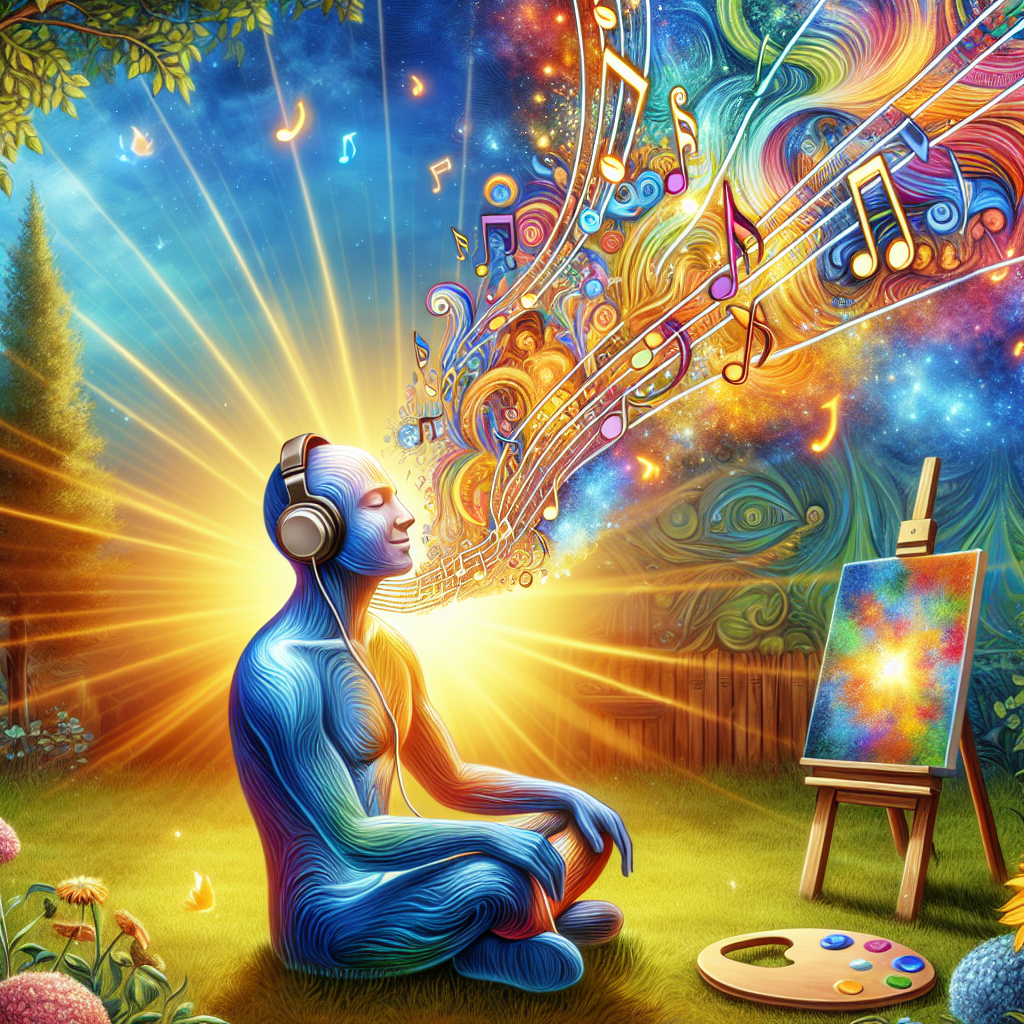
The Impact of Music and Art on Emotional Wellness
Introduction
The role of art, music, and creativity in general is invaluable in emotional wellness. Human emotions are complicated; they are ever-changing and they run deep, having the power to overcome consciousness and govern behaviors and attitudes. Emotions are influenced by countless external and internal factors, among the most potent of which are music and art. Music and visual art are two of the most direct senses and have been known to evoke an array of emotions in humans. Their influence on our emotional wellness cannot be overstated as they impact our mental health, mood, and overall wellbeing.
Influence of Music on Emotional Wellness
Music is a universal language. It transcends borders, cultures, and languages, and speaks directly to our souls. The beauty of music lies in its transformative power to affect mood and alter emotional state by simply engaging our auditory senses.
1. Mood Enhancement
Often we turn to music instances when we need comfort, joy, or motivation. Numerous studies have shown the positive impact of music on our mood. It has a unique link to our emotions. The right beat, melody and lyrics can uplift, motivate, and heal. Even fast, upbeat music can invoke a sense of happiness, energy, and positivity.
2. Reduction of Stress and Anxiety
Music therapy is a popular choice for reducing stress and anxiety. The soothing power of music is well-established and has a hugely calming effect on our minds, reducing cortisol, commonly known as the ‘stress hormone’, in the body.
Slow tempo music activates the relaxation response, slowing breathing and heart rate, reducing blood pressure, and relaxing tension.
3. Emotional Release
Music often serves as an outlet for emotional expression. Some feelings are hard to express in words, and music provides a medium to process and release these difficult emotions. This makes it a particularly beneficial tool for the emotional wellness of those who struggle with expressing themselves.
Influence of Art on Emotional Wellness
Visual art, much like music, has a profound effect on emotional wellness. It offers a unique, non-verbal mode of communication that allows individuals to express their feelings, thereby influencing their moods and emotional wellbeing in a deeply therapeutic way.
1. Cathartic Experience
Engaging in art can provide a cathartic experience, permitting participants to express and alleviate their feelings. Art is an outlet for negative feelings such as grief, anger, loneliness, or anxiety. Translating such feelings into a physical artwork can relieve emotional burdens and bring emotional balance.
2. Boosts Self – Esteem
Art is a tangible expression of one’s personal creativity. The process of creating art encourages personal growth, boosts confidence and self-esteem. Be it painting, drawing, or sculpture, all forms of art pave the way for a better understanding of oneself and one’s emotions.
3. Art Therapy
Art Therapy is a technique that uses the creative process to enhance mental health. This therapeutic practice helps individuals uncover feelings that may be difficult to express verbally. It can also help people cope with stress, anxiety, and traumatic experiences.
Connection between Music, Art, and Emotional Intelligence
Both music and art have a significant bearing on emotional intelligence. Emotional intelligence pertains to the ability to identify and manage one’s emotions, as well as those of others. The connection of music and art with emotional intelligence is multi-faceted.
1. Emotional Awareness
Music and art help build emotional awareness. The way music and art make us feel help us discern our emotional state. They assist us in identifying what we are feeling and why we are feeling it, ultimately increasing our emotional understanding.
2. Emotional Management
Secondly, they aid in emotional management. Once we become aware of our emotions through music and art, we can alter them to achieve a more positive or harmonious state. We can use calming music if we’re feeling stressed or engaging art activities to divert our minds off anxiety.
3. Social Awareness
Thirdly, music and art hone our social awareness. They help us understand the cultural, emotional, and social perspectives of others, thereby enhancing empathy and compassion.
Conclusion
As we forge ahead in this increasingly complex and stressful world, the importance of emotional wellness becomes ever more apparent—and the power of music and art to aid that cannot be denied. Although they may not be a panacea for all mental health issues, integrating music and art into your routine can be a part of a balanced emotional wellness plan. It is time that we give them the recognition they deserve and ensure their integration into daily life for maintaining emotional balance and achieving overall wellness.
