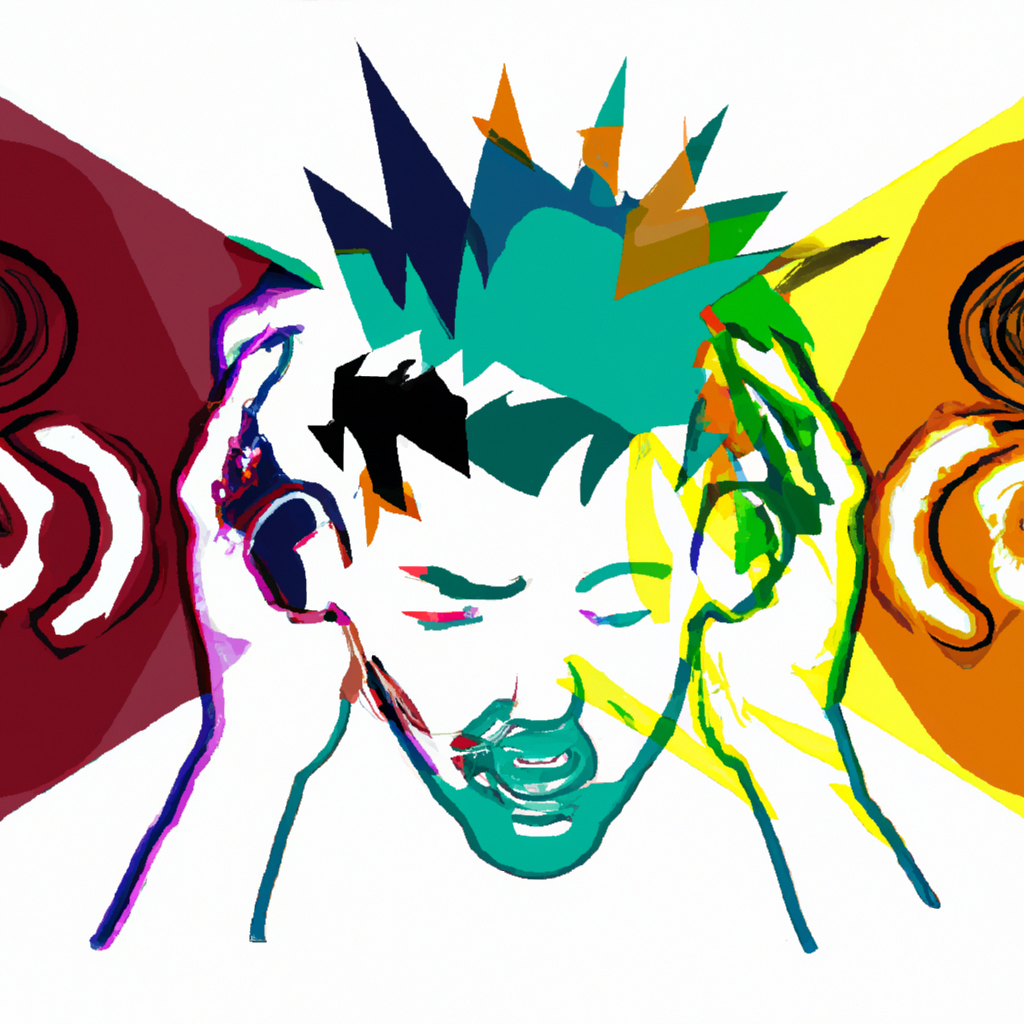
The Interplay Between Music and Emotion: A Symphony of Human Experience
Music is an art form deeply embedded in the tapestry of human existence and plays a key role in our everyday lives. It has the opportunity to transport us back in time, evoke powerful feelings, cheerful memories, and even influence our mood and behaviors. If you’ve ever wondered why a particular song brings you to tears or why an upbeat rhythm boosts your energy, this article will uncover the incredible connection between music and emotion.
The Power of Melody
In the Universal human language, music is the strongest dialect. Its potential for stirring emotions is both complex and intriguing. Both an inappropriate soundtrack in a movie and a symphony at a concert can stir the soul. This power comes primarily from melodies, the tunes that we hum or whistle.
• Melodies often carry emotional messages, with high notes generally associated with joy and exuberance and low notes linked to sadness.
• A quick-tempo melody can induce excitement and happiness, whilst slower rhythms may induce feelings of melancholy or tranquility.
Musical expression is an effective way of transmitting emotions without any need for words. No human culture has been discovered that does not have music at its heart. This indicates the profound impact it has across cultures and societies.
The Role of Rhythm and Beat
Often, it’s the beat or rhythm of a song that drives our emotional reaction. Fast-paced music or music with a robust rhythm often evokes stronger physical responses, like excitement, toe-tapping, or dancing.
• High-tempo music activates the sympathetic nervous system, the part of the body responsible for our fight or flight response.
• Slower rhythms, conversely, initiate the parasympathetic nervous system, promoting calm and relaxation.
Remember that time when you were extremely anxious, and a friend suggested you listen to some calming music? They were instinctively tapping into the relationship between rhythm and human emotion.
The Influence of Musical Timbre
Timbre refers to the unique character or quality of a musical sound. It’s what differentiates a piano from a violin, even when they’re playing the same note. The timbre of music, whether instrumental or vocal, plays a crucial role in shaping our emotional responses.
• Warm and rounded sounds tend to elicit positive emotional responses, while harsh, bright tones might trigger feelings of tension or alarm.
• The timbre of human voices, and our emotional response to them, are incredibly significant. That’s why the same song can make us feel differently when sung by different artists.
Neurological Connections
Research continually shows that music activates every recognized part of the brain. When we listen to music, our brains are hard at work decoding the tonal patterns and anticipating the progression of melodies. Neurological studies show a change in brain chemistry when people listen to music, contributing to the release of dopamine, our brain’s ‘feel-good’ neurotransmitter.
• Dopamine is highly associated with feelings of pleasure and reward. That’s why we often feel happy or euphoric when we listen to our favorite song.
• Recent studies have also found that music can increase the levels of oxytocin, often referred to as the ‘bonding hormone’. This can explain the sense of connection we feel at concerts or music festivals.
Cultural and Personal Associations
The interplay between music and emotion is also significantly influenced by personal and cultural associations. A song tied to a specific memory can trigger the emotions felt at that time. Notably, it is not just the music itself provoking these feelings, but the associations that it conjures up.
• On a personal level, hearing music from a certain period in your life can transport you back, inciting a wave of nostalgia.
• On a broader level, there’s a reason national anthems stir feelings of patriotism. They link directly with cultural identity and shared collective experience.
Musical Expression and Emotional Release
Listening to music can allow us to express emotions that we might find difficult to articulate in words. Furthermore, creating music and using our voices can also provide a powerful emotional release.
• When music resonates with our current feeling, it enables validation of our emotions, helping us feel understood and less alone.
• Expressing emotions through singing or playing an instrument can have therapeutic effects and is a popular technique in music therapy.
The deep-rooted relationship between music and emotion is an area of ongoing exploration. This multi-layered, complex interplay continues to intrigue scientists, musicians, and music enthusiasts alike. The ability of music to provoke such intense emotional responses is a testament to its incredible power. The human capacity to create, perform, and appreciate music is truly a wonder, giving us a language that speaks to the heart as much as it does to the mind. The connection between music and emotion brings us closer, sheds light on our shared human sensitivity, and adds color to our everyday life.
