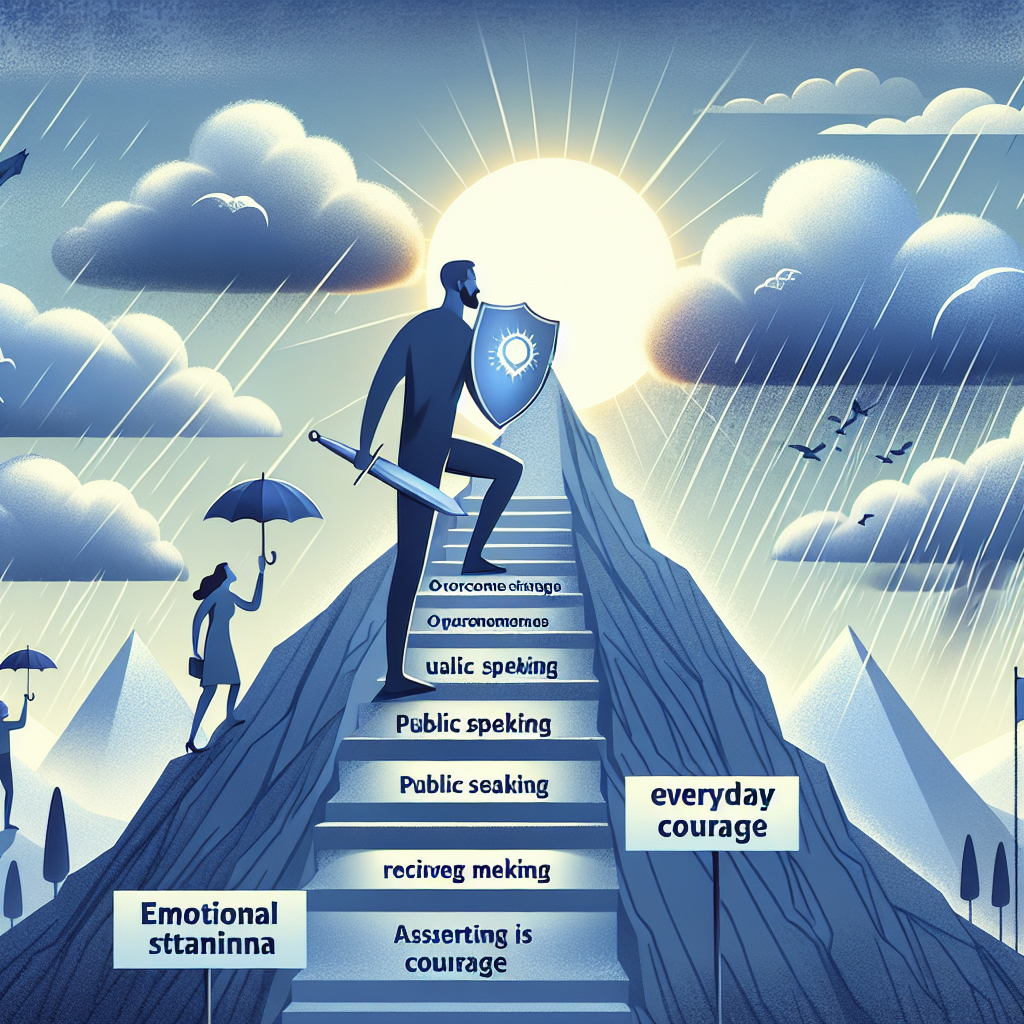
Building Emotional Stamina Through Everyday Courage
Emotional stamina is an essential quality for navigating the complexities of modern life. It refers to the ability to withstand stress, recover from setbacks, and keep moving forward despite challenges. While many people focus on physical stamina or intellectual competence, emotional stamina is equally, if not more, crucial for personal fulfillment and professional success. Building this kind of resilience is not reserved for moments of crisis. Rather, it is a daily practice involving small acts of courage. In this article, we will explore the concept of emotional stamina, the role of everyday courage, practical strategies for development, challenges to be aware of, and the transformative benefits of nurturing emotional strength.
Understanding Emotional Stamina
Emotional stamina encompasses several key components. It is the capacity to manage emotions effectively, maintain a sense of groundedness in difficult situations, and persevere in the face of adversity. Emotional stamina is not about suppressing or ignoring feelings. Instead, it is about engaging with emotions in a healthy and constructive manner.
Some of the core elements of emotional stamina include
Emotional Regulation: The skill of recognizing, understanding, and managing one’s emotional responses
Self-Compassion: Treating oneself with kindness during setbacks or failures
Adaptability: The willingness to adjust one’s approach when circumstances change
Perseverance: Sustaining motivation and effort over time despite obstacles
Mindfulness: Staying present and attuned to the current moment rather than being swept away by regrets or anxieties
When these qualities are nurtured and developed, individuals become better equipped to handle both everyday stresses and major life disruptions.
Everyday Courage as the Foundation of Emotional Stamina
When people think of courage, they often imagine grand gestures or heroic feats. However, courage is deeply woven into the fabric of daily life. Everyday courage is the practice of facing discomfort, fear, and uncertainty in small but meaningful ways. These micro-moments of bravery contribute significantly to building emotional stamina.
Everyday courage might take the form of
Initiating an honest conversation with a colleague or loved one
Standing up for oneself in a respectful and firm manner
Acknowledging mistakes and taking responsibility
Volunteering for a challenging task or opportunity
Expressing vulnerability, such as asking for support when needed
Trying something new despite self-doubt
Each of these actions may seem minor in isolation, but collectively they foster resilience. Over time, consistently choosing courage helps establish a solid foundation for emotional stamina.
The Science Behind Courage and Emotional Resilience
Modern psychology provides insight into the relationship between courage and emotional stamina. Research on resilience highlights the importance of experiencing manageable doses of stress followed by recovery. This process is often referred to as stress inoculation.
Frequent exposure to everyday stressors, paired with intentional moments of courage, actually enhances an individual’s coping mechanisms. The brain and nervous system learn, through experience, that fear, discomfort, or uncertainty are not insurmountable. In fact, confronting challenges mindfully rewires neural pathways associated with fear and avoidance.
Moreover, studies show that self-compassion and social support are crucial for maintaining emotional stamina. Individuals who approach themselves with kindness and reach out to others for help build greater resilience over time. Both of these practices often require everyday courage as well.
Practical Strategies for Building Emotional Stamina
Developing emotional stamina is a lifelong journey. The following strategies can help individuals nurture their emotional strength by cultivating everyday courage.
Practice Awareness and Reflection
Pay attention to moments of discomfort or hesitation in daily life
Journal about these experiences to identify patterns and triggers
Ask questions such as What am I feeling right now and What small act of courage could help me move forward
Set Small, Achievable Challenges
Choose one area in life where courage feels lacking
Set a micro-goal, such as speaking up in a meeting or reaching out to reconnect with someone
Gradually increase the level of challenge to build confidence
Cultivate Mindfulness
Engage in mindfulness practices like deep breathing, meditation, or mindful walking
Notice emotions as they arise without immediately reacting to them
Use mindfulness to pause before responding, creating space for courageous choices
Foster Supportive Relationships
Surround yourself with people who encourage growth and positivity
Seek constructive feedback and offer the same to others
Rely on trusted friends, family, or mentors when facing difficult situations
Accept and Learn from Failure
Reframe setbacks as opportunities for growth rather than signs of weakness
Reflect on what went wrong and what can be improved for next time
Celebrate the effort made, regardless of the outcome
Prioritize Self-Care
Acknowledge the role that physical health plays in emotional stamina
Incorporate regular sleep, movement, and nourishing food into your routine
Engage in practices that recharge your energy and lift your mood
Common Challenges in Building Emotional Stamina
It is important to recognize and prepare for obstacles that may arise on the path to greater emotional resilience. The following challenges are common but can be managed with patience and persistence.
Fear of Vulnerability
Many people associate vulnerability with weakness. However, true courage often involves showing up authentically, even when it feels risky. Overcoming the fear of vulnerability requires shifting the mindset from fearing judgment to valuing authenticity.
Impatience with Progress
Building emotional stamina is not a linear process. There will be setbacks and periods of stagnation. Remember that every courageous choice counts, even when immediate results are not visible.
Negative Self-Talk
The inner critic can undermine efforts to take courageous action. Counteracting negative self-talk involves practicing self-compassion, challenging unhelpful beliefs, and affirming personal strengths.
Overwhelm and Burnout
Attempting to address all areas at once can lead to overwhelm. Start with small steps and acknowledge limitations. Recognizing the need for rest and restoration is itself an act of courage.
The Ripple Effects of Emotional Stamina
Strengthening emotional stamina has far-reaching benefits. While the initial focus may be on personal well-being, the positive effects extend into relationships, workplace dynamics, and broader communities.
In Relationships
Individuals with emotional stamina are better equipped to manage conflict constructively
They bring empathy, patience, and clarity to interactions with others
Consistent courage fosters deeper trust and intimacy
At Work
Emotional stamina enables professionals to navigate criticism or setbacks without losing motivation
It encourages calculated risk-taking and innovation
Teams composed of emotionally resilient members tend to be more collaborative and adaptable
In the Community
Courageous individuals serve as role models for others, inspiring collective resilience
Emotional stamina supports compassion and meaningful engagement with societal challenges
Transformative Stories of Everyday Courage
Throughout history and across cultures, examples abound of individuals who have demonstrated emotional stamina through everyday acts of courage. While not every act makes headlines, these moments form the backbone of personal and communal strength.
A teacher who continues to support students despite facing administrative difficulties
An employee who voices a concern to improve organizational policy
A parent who seeks help during a tough season rather than facing challenges in isolation
A friend who apologizes and rebuilds trust after a disagreement
These stories remind us that ordinary acts of bravery, repeated over time, change lives.
Nurturing Emotional Stamina in the Digital Age
The modern world presents unique challenges to emotional resilience. The constant stream of information, social comparison, and heightened expectations can erode emotional stamina if left unchecked. Here are ways to fortify resilience in a connected world
Set Healthy Boundaries
Limit exposure to sources of stress, such as negative news cycles or toxic online environments
Designate specific times for digital engagement and digital rest
Practice Digital Mindfulness
Notice emotional reactions to online interactions
Pause before responding to digital provocations or criticism
Foster Real Connections
Prioritize face-to-face or meaningful virtual interactions
Nurture relationships that provide genuine support rather than superficial validation
Looking Ahead: Making Courage a Daily Habit
Building emotional stamina through everyday courage is not a one-time decision but a continuous process. Like strengthening a muscle, resilience grows through repetition, intention, and reflection. By framing each day as an opportunity for small acts of bravery, individuals not only weather life’s storms but also thrive amid uncertainty.
Consider the following questions as prompts for cultivating daily courage
What fear can I face today, even if only in a small way
Where am I called to speak up or show up with honesty
How can I support someone else in their moment of need
What lesson can I draw from today’s setback or success
Each answer marks a step toward greater emotional stamina.
Conclusion
In a world shaped by both uncertainty and opportunity, emotional stamina stands as a cornerstone of personal well-being and societal progress. While grand gestures of courage have their place, it is in the subtle choices of daily life that true resilience is born. By understanding the nature of emotional stamina, embracing the power of everyday courage, and practicing small acts of bravery, individuals can build a foundation that supports a more fulfilling and resilient life. In this journey, every act of courage becomes a quiet triumph, contributing not only to personal growth but also to a more compassionate and courageous world.
