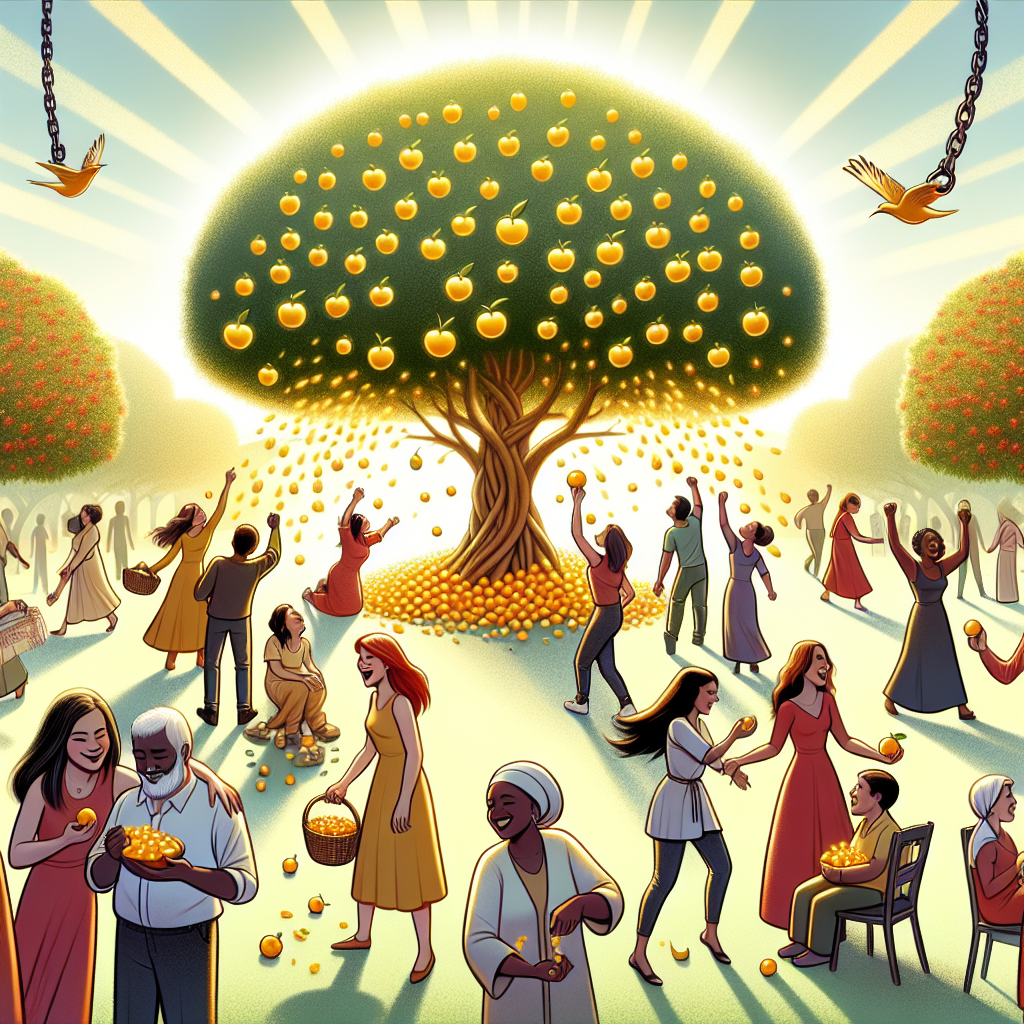
Why Choosing Joy Is a Revolutionary Act
Introduction
In a world that often seems overwhelmed by challenges, uncertainty, and unrest, the pursuit of joy can easily be dismissed as naive or trivial. Yet, embracing joy is not a retreat from reality but an affirmation of resilience and hope. Choosing joy is a bold decision that stands in contrast to prevailing narratives of fear, negativity, and cynicism. It marks a deliberate shift in perspective, empowering individuals and communities alike. In this article, we will explore why choosing joy can be considered a revolutionary act. We will delve into the meaning of joy, the barriers that hinder its pursuit, and the profound ripple effects that stem from making joy a conscious choice.
Understanding Joy: More Than a Fleeting Emotion
Joy is often confused with happiness, but the two are distinct. While happiness is tied to external circumstances and is generally reactive, joy is an enduring state that arises from within. Joy can coexist with sorrow, pain, or adversity. It is not simply the absence of difficulty, but the presence of a deep sense of fulfillment and aliveness.
Key features that define joy include:
- A sense of gratitude rooted in the present moment
- The ability to appreciate beauty and wonder regardless of circumstances
- A connection to purpose, meaning, or a higher sense of self
- An internal resource for resilience and recovery from setbacks
Choosing joy involves cultivating these qualities intentionally, regardless of external pressures or events.
The Cultural Context: Society’s Resistance to Joy
Modern society often emphasizes achievement, productivity, and competition above emotional and spiritual well-being. The media bombards us with narratives that prioritize crisis, conflict, and sensationalism, reducing our exposure to stories of hope and positivity. Some of the societal factors that discourage the pursuit of joy include:
- Fear-based messaging that keeps attention focused on problems
- Cultural expectations that equate worth with struggle or self-sacrifice
- Consumerism that links fulfillment to material acquisitions
- A tendency to dismiss expressions of joy as frivolous or unearned
These influences create an environment where joy may seem countercultural or even rebellious.
Barriers to Joy: The Internal Landscape
In addition to societal pressures, there are internal obstacles that make the choice of joy revolutionary. Many individuals are conditioned to believe that suffering is inevitable or that joy is only attainable once all problems are solved. This belief system fosters guilt or suspicion around experiencing happiness, causing people to suppress their joyful impulses.
Common internal barriers include:
- Perfectionism that postpones joy until conditions are ideal
- Self-criticism that undermines self-worth and stifles light-heartedness
- The fear that joy makes one vulnerable to disappointment
- Trauma or past experiences that have conditioned a bias toward caution or pessimism
To choose joy is to confront and dismantle these barriers, allowing space for a new narrative to emerge.
The Power of Choice: Joy as an Act of Agency
The act of choosing joy is fundamentally an act of personal agency. It challenges the notion that emotions are solely byproducts of circumstance and instead affirms that individuals have the capacity to influence their own inner lives. By choosing joy, people redefine their relationship with adversity and reclaim their power from forces that seek to control or diminish them.
Significant aspects of making this choice include:
- Mindful attention to one’s thoughts and emotional patterns
- Deliberate actions that cultivate joy, such as gratitude practices, creative expression, or connection with others
- A willingness to seek out and savor moments of lightness even in times of difficulty
This transformation is not about denying pain or pretending all is well, but about refusing to let hardship define the entirety of one’s experience.
Joy as Resistance: Challenging the Status Quo
In systems that profit from division, fear, and disempowerment, collective joy can act as a form of resistance. History offers many examples where communities have used joy to assert their humanity and to foster solidarity. Whether through music, dance, art, humor, or simple togetherness, these expressions remind individuals of their resilience and shared purpose.
The revolutionary potential of joy emerges in several ways:
- It defies attempts to control or silence by affirming the vitality of the human spirit
- It nurtures hope, which is essential for sustained activism and social change
- It disrupts cycles of negativity and despair, opening space for new visions to emerge
Choosing joy thus becomes a catalyst for both personal liberation and communal transformation.
Joy Fosters Resilience and Mental Health
Scientific research underscores the health benefits of positive emotions such as joy. While suffering cannot be eliminated through willpower alone, the intentional cultivation of joy enhances psychological wellbeing and strengthens the capacity to navigate challenges.
Studies have shown that joy:
- Reduces stress by regulating hormones and lowering inflammation
- Promotes creativity and problem-solving by broadening cognitive flexibility
- Builds social bonds, increasing feelings of connection and support
- Encourages perseverance in the face of adversity
By choosing joy, individuals become better equipped to withstand the difficulties of life, transforming challenging experiences into opportunities for growth.
Practical Strategies for Choosing Joy
Cultivating joy is an ongoing process that requires conscious practice and self-awareness. Here are several strategies that can help nurture a joyful mindset:
Mindful Awareness
Paying close attention to the present moment helps in noticing moments of joy that might otherwise pass unnoticed. Practices such as meditation or mindful breathing can increase sensitivity to positive experiences throughout the day.
Gratitude Journaling
Regularly noting the things, people, or experiences that bring joy can shift attention from what is lacking to what is abundant. This habit rewires the brain to notice the good, even amid setbacks.
Acts of Kindness
Giving to others, whether through words, deeds, or time, often generates unexpected feelings of joy. Altruism activates neural pathways associated with pleasure and connection.
Creative Expression
Engaging in music, art, writing, or movement taps into the natural joy of creation and play. These activities offer a channel for self-expression and release of emotional tension.
Connecting with Nature
Spending time outdoors, noticing the beauty of the environment, and feeling connected to something larger can evoke profound joy and peace.
Cultivating Relationships
Deep connections with friends, family, or community nourish joy and provide emotional support during challenging times.
Embracing Playfulness
Allowing time for fun, humor, and spontaneity counteracts the weight of daily responsibilities and rekindles a sense of wonder and curiosity.
The Ripple Effect: Joy as Inspiration for Others
Individual choices resonate beyond the self. When someone chooses joy, especially during hardship, they model a powerful alternative to despair. This can inspire others and gradually shift cultural norms. Joy is contagious. It spreads through smiles, laughter, acts of kindness, and moments of shared delight.
Communities founded on joy are more cohesive, adaptable, and creative. They are better equipped to collaborate, resolve conflict, and envision a future rooted in hope. In this way, the choice to pursue joy becomes a revolutionary seed that can transform society at every level.
Reconciling Joy and Suffering
Choosing joy does not discount the very real pain and suffering that exists in the world. Instead, it recognizes that holding space for both sorrow and joy is an essential part of the human experience. By allowing joy to coexist with hardship, individuals remain anchored in hope and connected to their resilience.
This balance empowers people to engage compassionately with the struggles of others and to act with greater wisdom and effectiveness. Far from undermining serious concern for the world’s problems, the pursuit of joy offers the energy needed for sustained engagement and meaningful change.
Conclusion
In times of upheaval and uncertainty, the temptation to embrace cynicism and despair can be strong. Yet it is precisely in such moments that choosing joy becomes a radical act. By deliberately cultivating joy, individuals challenge societal pressures toward negativity, reclaim their power, and foster resilience within themselves and their communities. Joy stands as a testament to the invincible human spirit, affirming that amidst adversity, there remains the potential for beauty, connection, and hope.
Embracing joy is not about ignoring reality. Rather, it is about shaping it through conscious, courageous action. When enough people make this revolutionary choice, the collective impact has the power to transform not only individual lives but the very fabric of society itself.
