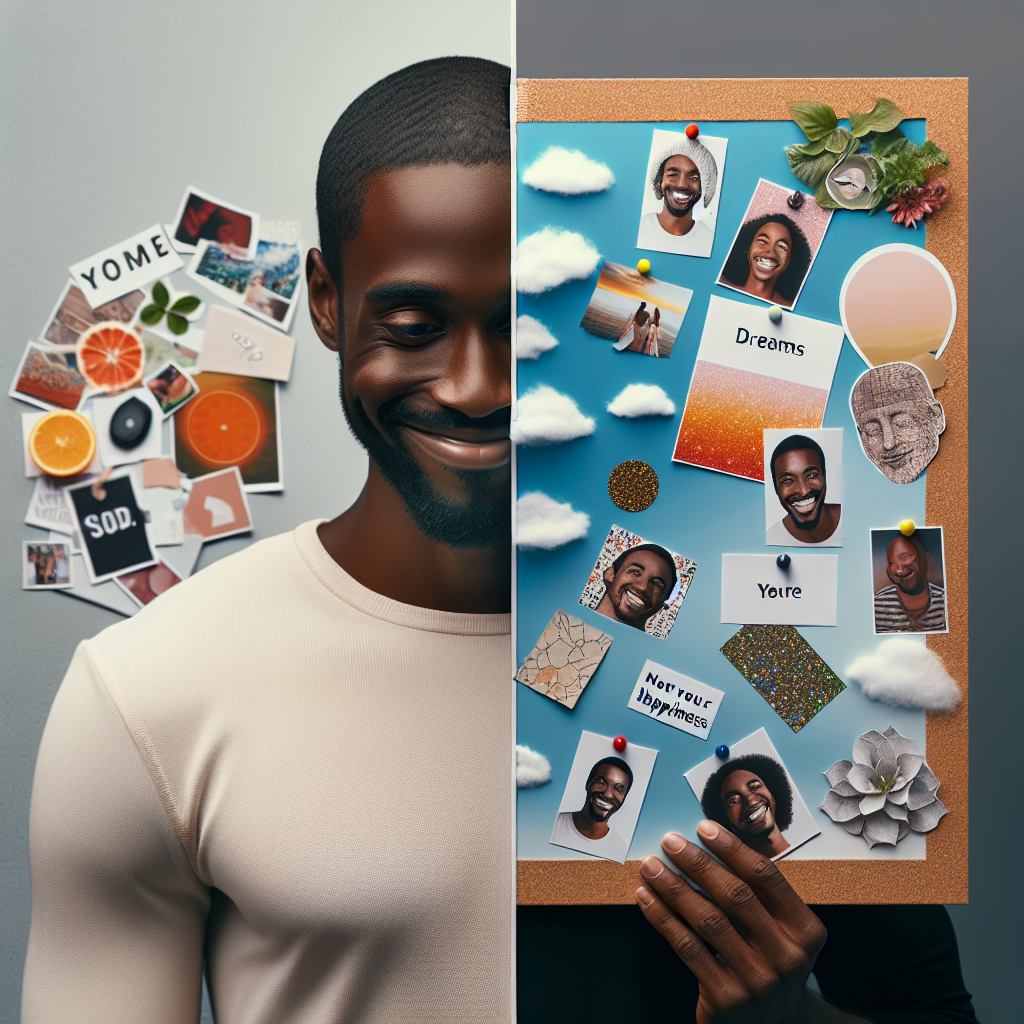
The Impact of Building a Vision Board on Long-Term Happiness
Introduction
In today’s fast-paced world, individuals constantly seek effective tools and strategies for fostering lasting fulfillment and contentment. Among numerous self-improvement trends, the vision board stands out not only as a creative exercise but also as a catalyst for sustained happiness. A vision board, often adorned with images, quotes, and symbols of future aspirations, serves as a visual representation of one’s goals and desires. This article delves into the profound influence of building a vision board on long-term happiness. It explores the psychological foundations, practical benefits, and actionable steps for those aiming to enrich their lives through this powerful practice.
Understanding Vision Boards
A vision board is much more than a collage of magazine cutouts. At its core, a vision board is a personalized tool designed to crystallize ambitions and inspire consistent action toward achieving them. The process involves selecting images, words, and artifacts that resonate with one’s dreams and goals. Once completed, the vision board becomes a tangible reminder of what truly matters, guiding daily decisions and maintaining focus amid life’s distractions.
Essence of a Vision Board
A vision board can be created digitally or physically
It commonly includes personal goals, career aspirations, relationship ideals, wellness objectives, and inspirational quotes
The visible, daily presence of a vision board nurtures motivation and encourages proactive steps toward desired achievements
Many successful individuals, from athletes to entrepreneurs, credit their accomplishments to the clarity and drive inspired by their vision boards. But what accounts for this success, and how does it translate into long-term happiness?
The Psychology Behind Vision Boards
Vision boards are rooted in positive psychology and the science of visualization. Visualization is the practice of mentally picturing desired outcomes, which research suggests can increase the likelihood of achieving those outcomes by harnessing the brain’s powerful capacity for cognitive rehearsal and motivation.
Key Psychological Principles at Play
Goal Setting Theory
The act of clearly identifying goals and visualizing them increases commitment, sharpens focus, and enhances the likelihood of achieving objectives.
Law of Attraction
Though debated, the concept suggests that focusing on positive outcomes attracts those outcomes into one’s life by influencing thoughts and behaviors.
Neuroplasticity
Repeated exposure to images and ideas on a vision board can rewire the brain’s neural pathways, reinforcing new behaviors and attitudes aligned with personal happiness.
By engaging with their vision board regularly, individuals leverage these psychological principles. The brain begins treating the depicted achievements as attainable, gradually shifting attitudes and actions toward turning dreams into reality.
How Vision Boards Influence Long-Term Happiness
Long-term happiness is often defined as a deeper sense of fulfillment and life satisfaction, extending beyond fleeting moments of joy. Vision boards contribute to this state by fostering coherent purpose, continuous motivation, and positive emotional experiences.
Clarifying Personal Aspirations
A scattered, undefined sense of direction is a common obstacle to happiness. Vision boards compel individuals to articulate what they truly desire. This clarity alone provides a sense of purpose, aligning daily decisions with long-term ambitions and reducing feelings of aimlessness.
Enhancing Motivation and Accountability
A vision board acts as an ongoing visual reminder of important goals. It sustains motivation, especially during challenging times. When progress stalls, the vision board reminds one of their “why,” encouraging perseverance and resilience.
Increasing Positivity and Gratitude
Selecting and displaying positive, uplifting images and messages cultivates a mindset attuned to hopefulness and gratitude. Focusing on what is wanted, rather than what is lacking, redirects attention toward possibilities, reinforcing emotional well-being.
Encouraging Mindfulness and Reflection
Regular interaction with a vision board promotes self-reflection. Revisiting one’s board can highlight progress, prompt reassessment of goals, or spark new ideas. This mindful engagement fosters ongoing personal growth and adaptability, important components of lasting happiness.
Strengthening Belief in Achievement
Visualization, amplified by the vision board’s constant presence, strengthens the belief that goals are achievable. This self-efficacy is linked to greater effort, resilience, and optimism, all contributing to happiness over time.
Scientific Insights and Real-World Examples
Although the research on vision boards specifically is still evolving, several related studies shed light on their effectiveness and influence on well-being.
Relevant Findings from Research
Visualization techniques lead to improved performance in sports, academics, and career pursuits.
Positive imagery enhances mood, reduces stress, and increases the likelihood of pursuing and completing goals.
Structured goal-setting and visualization boost confidence and promote sustained action.
Additionally, anecdotal evidence abounds. From Olympic athletes to business leaders, many report that mapping out their dreams visually has been transformative. For instance, professional athletes often use mental imagery and vision boards to prepare for competitions, citing increased focus and reduced anxiety.
Crafting an Effective Vision Board
Building a vision board is an immersive, intentional process. To maximize its impact on long-term happiness, it is helpful to approach the task thoughtfully.
Steps for Creating a Vision Board
Begin with Reflection
Take time to evaluate your values, dreams, and what happiness means for you personally
Consider different life domains such as health, relationships, career, personal growth, and leisure
Identify Clear Themes or Goals
Write down specific intentions or areas of focus
Vague aspirations are less effective than clear, tangible objectives
Curate Visual and Written Inspiration
Gather magazines, print materials, online images, quotes, or personal photographs that evoke your goals and desired feelings
Arrange the Board Intuitively
Place images and words in a way that feels appealing and meaningful to you
There are no strict rules; this is a deeply personal exercise
Keep Your Board Accessible
Display the vision board in a space where you will see it daily
Frequent exposure reinforces the intentions and provides ongoing inspiration
Review and Update Regularly
Allow the vision board to evolve over time as your aspirations change
This ensures continued relevance and engagement
Best Practices for Maximizing Impact
To harness the full potential of a vision board for long-term happiness, consistency and emotional engagement are key.
Tips for Effective Vision Board Practice
Engage with your vision board daily
Schedule brief moments to observe, reflect on, and emotionally connect with your board
Combine visualization with action
Let the vision board inspire you to take concrete steps, not just daydream
Celebrate progress
Acknowledge completed goals by updating your vision board, reinforcing a sense of achievement
Stay open to change
Adapt the board as your priorities shift, supporting ongoing fulfillment
Limit comparisons to others
Focus on personal definitions of success and happiness rather than external benchmarks
Common Misconceptions and Challenges
While vision boards are powerful, misconceptions abound regarding their purpose and effectiveness.
Addressing Misunderstandings
Vision boards are not magic. They complement, but do not replace, intentional effort and planning.
Mere creation is insufficient. Passive viewing without related action yields limited results.
It is normal for goals to evolve. Revising a vision board is a sign of growth, not failure.
Some skepticism remains regarding the law of attraction. Nonetheless, the real value of vision boards lies in promoting clarity, positivity, and motivation, all backed by psychological research.
Sustaining the Journey: Vision Boards as a Lifelong Habit
Long-term happiness is a continuous journey rather than a destination. Vision boards can serve as enduring companions along this path. By revisiting and revising one’s vision board through the seasons of life, individuals remain attuned to their evolving dreams and definitions of happiness.
Many enthusiasts adopt an annual or semi-annual ritual of updating their vision boards, reflecting on achievements and setting new intentions. This practice embeds adaptability and lifelong learning into the pursuit of happiness, nurturing a self that is always becoming.
Conclusion
The impact of building a vision board extends well beyond the initial burst of creativity. By providing clarity, fostering motivation, and enhancing emotional well-being, vision boards are potent allies in the quest for long-term happiness. The visual affirmation of one’s deepest desires, reinforced through regular engagement, inspires positive action and sustained fulfillment. Ultimately, the true power of a vision board lies in its ability to connect individuals with their authentic selves, keeping their dreams alive and within reach as the years unfold. Whether you are seeking personal transformation, renewed enthusiasm, or a lasting sense of meaning, the simple act of assembling a vision board may be the catalyst you need for enduring happiness.
