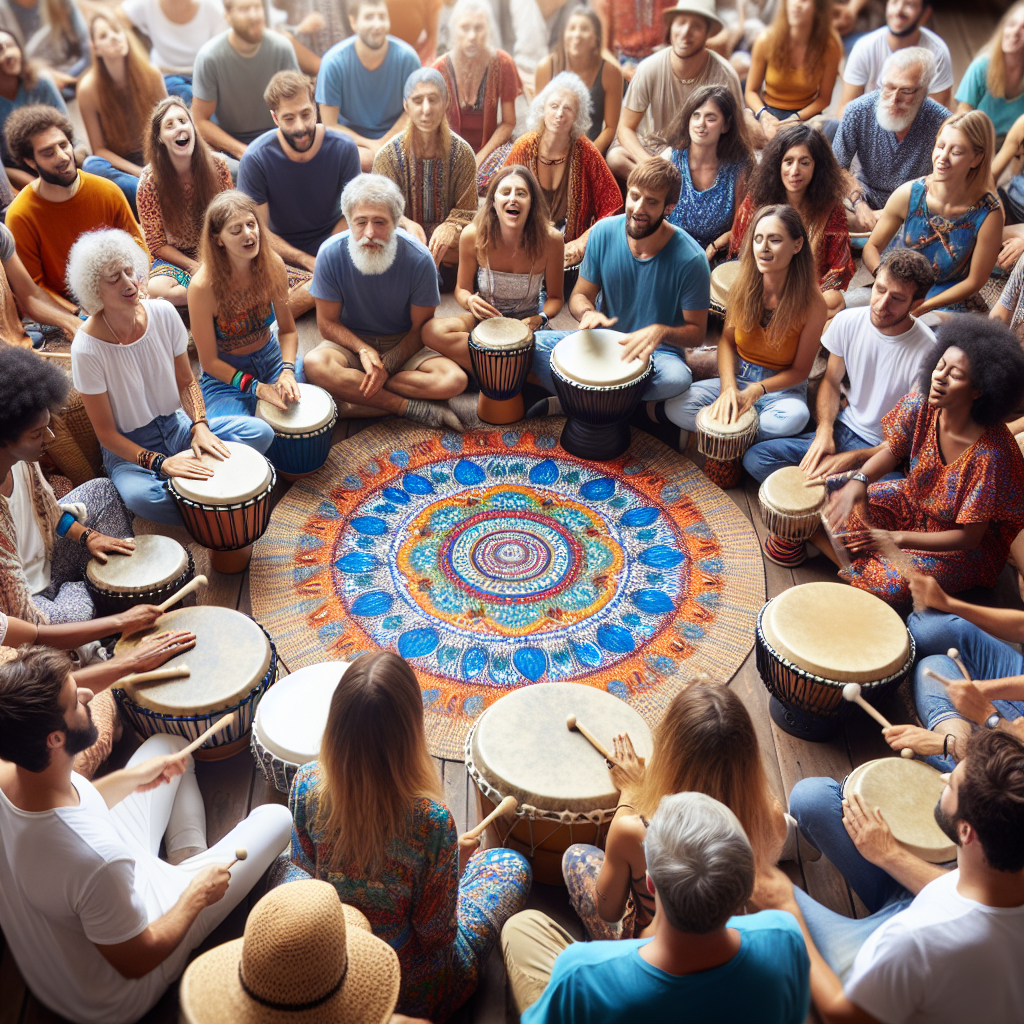
The Power of Drum Circles in Emotional Release and Group Harmony
Drum circles have long been a part of human culture, transcending geographic boundaries and historical eras. From ancient tribal gatherings to modern wellness retreats, the act of coming together to create rhythm has proven to be more than just a musical endeavor. It is a powerful tool for emotional release and group harmony. This article delves into the multifaceted benefits of drum circles, exploring their roots, psychological impact, and their unique ability to foster unity among participants.
Understanding Drum Circles
A drum circle is a participatory musical event where individuals gather to play drums and percussion instruments in a group setting. Unlike a traditional performance, drum circles are inclusive and non-hierarchical, welcoming people of all ages and skill levels. The emphasis is on collective rhythm creation rather than technical perfection.
Drum circles can be spontaneous or facilitated by a leader who guides the group through various rhythms and dynamics. They may take place in diverse environments, including community centers, schools, therapeutic settings, corporate retreats, and outdoor festivals.
Historical and Cultural Significance
Drumming is one of the oldest forms of human expression. Archaeological evidence suggests that drums have been used in rituals, celebrations, and communication for thousands of years. In many cultures, drum circles have served as a medium for storytelling, healing, and social bonding.
For example, in West African societies, drumming is integral to ceremonies and communal gatherings. Indigenous cultures in the Americas and Australia also use drum circles as part of spiritual practices. These traditions underscore the universal appeal of drumming as a means of connecting individuals to themselves, each other, and the larger community.
The Science Behind Drumming and Emotional Release
Modern research has begun to uncover the psychological and physiological mechanisms that make drum circles so effective for emotional release. Drumming engages both hemispheres of the brain, promoting synchronization between cognitive and emotional processes.
When individuals participate in drum circles, several beneficial effects occur
Activation of the Limbic System
The limbic system is the part of the brain responsible for emotions and memory. Rhythmic drumming stimulates this area, leading to the release of endorphins and dopamine, which are chemicals associated with pleasure and stress reduction.
Regulation of the Autonomic Nervous System
Drumming can help regulate the autonomic nervous system by shifting the body from a state of stress to one of relaxation. The repetitive nature of rhythm has a calming effect, slowing the heart rate and reducing blood pressure.
Facilitation of Nonverbal Expression
For many, verbalizing emotions can be challenging. Drumming provides a nonverbal outlet for expressing feelings such as anger, sadness, or joy. The physical act of striking a drum allows for the safe release of pent-up energy.
Promotion of Mindfulness
Participating in a drum circle requires focus and presence. The immersive nature of rhythm helps quiet the mind, fostering a state of mindfulness that can alleviate anxiety and rumination.
Benefits of Drum Circles for Emotional Release
Drum circles offer a unique environment for emotional exploration and healing. The combination of rhythm, movement, and communal support creates a powerful space for personal transformation.
Some key benefits include
Stress Relief
The repetitive, grounding rhythms of drumming can significantly reduce stress levels. Participants often report feeling lighter and more relaxed after a session.
Emotional Catharsis
Drumming provides a safe way to process and release intense emotions. The physicality of drumming can help dissipate anger or frustration, while the collective energy of the group supports emotional vulnerability.
Enhanced Mood
The release of endorphins during drumming leads to improved mood and a sense of well-being. Group drumming has been shown to reduce symptoms of depression and anxiety in clinical studies.
Increased Self-Awareness
Drum circles encourage introspection and self-expression. As individuals become attuned to their own rhythms, they gain insight into their emotional states and patterns.
Empowerment
Participating in a drum circle can boost confidence and self-esteem. The act of contributing to a collective rhythm reinforces a sense of agency and belonging.
Drum Circles and Group Harmony
Beyond individual benefits, drum circles excel at fostering group cohesion and harmony. The shared experience of creating music in real time cultivates a sense of unity that transcends differences.
Building Trust and Connection
Drum circles require participants to listen and respond to one another, creating a dynamic interplay of sound. This process builds trust and empathy, as each person’s contribution shapes the overall rhythm.
Key aspects of group harmony in drum circles include
Inclusivity
Drum circles welcome participants regardless of musical background. This inclusivity breaks down barriers and encourages open communication.
Nonverbal Communication
Rhythm is a universal language. Through drumming, participants communicate emotions and intentions without the need for words, fostering deeper understanding.
Collective Flow
When a group finds its groove, a state of collective flow emerges. This is characterized by synchronized movement, heightened awareness, and a sense of shared purpose.
Conflict Resolution
Drum circles can serve as a metaphor for conflict resolution. Participants learn to navigate differences in tempo, volume, and style, finding ways to harmonize diverse voices.
Applications of Drum Circles in Modern Settings
The versatility of drum circles makes them suitable for a wide range of settings. In recent years, they have gained popularity as a tool for wellness, education, and organizational development.
Therapeutic Environments
Music therapists often incorporate drum circles into treatment plans for individuals dealing with trauma, addiction, or mental health challenges. The nonjudgmental atmosphere of a drum circle allows clients to explore emotions safely and build coping skills.
Educational Institutions
Schools use drum circles to promote social-emotional learning, teamwork, and cultural awareness. Drumming helps students develop listening skills, self-regulation, and respect for diversity.
Corporate and Team-Building Events
Organizations are increasingly turning to drum circles as a way to enhance collaboration and morale among employees. The shared experience of drumming breaks down hierarchical barriers and encourages creative problem-solving.
Community Gatherings
Drum circles are a popular feature at festivals, parks, and community centers. They provide an accessible way for people to connect, celebrate, and build a sense of belonging.
Best Practices for Facilitating Drum Circles
To maximize the benefits of a drum circle, thoughtful facilitation is essential. A skilled facilitator creates a safe, inclusive environment and guides the group through a meaningful experience.
Key considerations for successful drum circles include
Setting Intentions
Begin by establishing the purpose of the drum circle, whether it is emotional release, team building, or celebration. Clear intentions help participants engage more fully.
Creating a Safe Space
Encourage respect, active listening, and nonjudgmental participation. Ensure that everyone has access to instruments and feels welcome to contribute.
Guiding the Rhythm
Facilitators can introduce simple rhythms and gradually build complexity. Use cues such as hand signals or vocal prompts to coordinate changes in tempo and dynamics.
Encouraging Expression
Invite participants to explore different sounds, volumes, and rhythms. Allow space for solos or call-and-response patterns to highlight individual voices within the group.
Debriefing and Reflection
Conclude the session with a period of reflection. Encourage participants to share their experiences and insights, reinforcing the emotional and relational benefits of the drum circle.
Challenges and Considerations
While drum circles offer numerous advantages, there are potential challenges to consider. Noise levels, accessibility of instruments, and group dynamics can impact the effectiveness of a session.
To address these challenges
Choose appropriate venues that can accommodate sound levels without disturbing others
Provide a variety of instruments to suit different abilities and preferences
Be mindful of group size to ensure everyone feels included
Adapt facilitation techniques to the needs and energy of the group
The Future of Drum Circles
As society becomes increasingly fast-paced and digitally connected, the need for authentic, embodied experiences is more pronounced than ever. Drum circles offer a timeless antidote to isolation and stress, inviting participants to reconnect with themselves and others through rhythm.
Emerging trends in drum circles include
Integration with Mindfulness Practices
Many facilitators are combining drumming with meditation, breathwork, and movement to deepen the therapeutic impact.
Use of Technology
Virtual drum circles and online rhythm workshops are making the experience accessible to a global audience.
Research and Validation
Ongoing studies continue to explore the neurological and psychological benefits of group drumming, paving the way for broader acceptance in healthcare and education.
Conclusion
Drum circles are much more than a musical pastime. They are a profound vehicle for emotional release and group harmony, rooted in ancient tradition and validated by modern science. By providing a space for nonverbal expression, stress relief, and collective creativity, drum circles nurture both individual well-being and social connection.
Whether in a therapeutic setting, a classroom, or a community park, the simple act of coming together to drum holds the power to transform lives. As we navigate the complexities of the modern world, the enduring rhythm of the drum circle reminds us of our shared humanity and the healing potential of unity.
