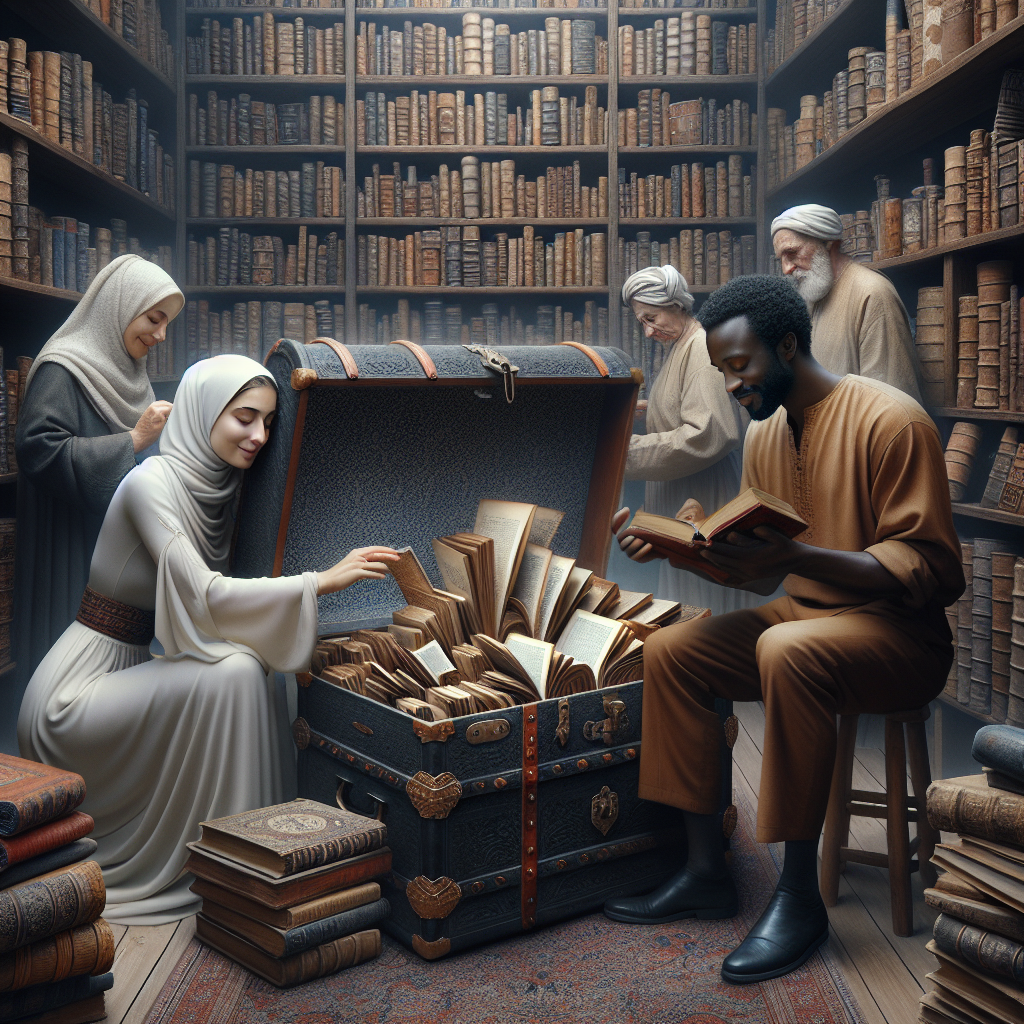
**Achieving Happiness Through the Art of Bookbinding and Restoration**
In a world increasingly dominated by digital screens and ephemeral content, the tactile and enduring nature of books offers a unique sense of fulfillment. The art of bookbinding and restoration not only preserves the physical form of books but also nurtures the soul. Engaging in this meticulous craft can lead to profound happiness, as it combines creativity, patience, and a deep appreciation for history and literature. This article explores the multifaceted joy derived from bookbinding and restoration, examining its historical significance, the skills involved, and the personal satisfaction it brings.
**The Historical Significance of Bookbinding**
Books have been central to human culture for centuries, serving as vessels for knowledge, storytelling, and cultural preservation. The art of bookbinding dates back to ancient times, evolving significantly over the centuries. Understanding its historical context enhances the appreciation for this craft.
– **Early Beginnings**: The earliest forms of bookbinding emerged in ancient Egypt, where papyrus scrolls were bound together. The transition from scrolls to codices in the Roman Empire marked a significant development, allowing for more efficient storage and reading.
– **Medieval Innovations**: During the Middle Ages, bookbinding became a highly specialized craft. Monasteries were the primary centers for book production, where monks meticulously copied texts and bound them in leather covers adorned with intricate designs.
– **The Renaissance and Beyond**: The invention of the printing press in the 15th century revolutionized book production. Bookbinding techniques became more sophisticated, with the introduction of gold tooling and marbled paper. This era marked the democratization of books, making them accessible to a wider audience.
**The Skills Involved in Bookbinding and Restoration**
Bookbinding and restoration require a diverse set of skills, each contributing to the overall mastery of the craft. These skills not only preserve the physical integrity of books but also enhance their aesthetic appeal.
– **Precision and Attention to Detail**: Bookbinding involves precise measurements and careful execution. Every cut, fold, and stitch must be exact to ensure a professional finish. This attention to detail fosters a sense of pride and accomplishment.
– **Creativity and Design**: While bookbinding is a technical skill, it also allows for artistic expression. Choosing colors, textures, and embellishments offers endless creative possibilities. This aspect of the craft is particularly rewarding, as it results in a unique and personalized product.
– **Historical Knowledge**: Restoration requires an understanding of historical binding techniques and materials. This knowledge ensures that restorations are authentic and preserve the book’s original character. Engaging with history in this way can be deeply satisfying.
– **Patience and Perseverance**: Bookbinding and restoration are time-consuming processes that require patience. The ability to work methodically and persist through challenges is a valuable skill that extends beyond the craft itself.
**The Personal Satisfaction of Bookbinding and Restoration**
Engaging in bookbinding and restoration offers numerous personal benefits, contributing to overall happiness and well-being. The process is not only about preserving books but also about enriching one’s own life.
– **Mindfulness and Focus**: The repetitive and detailed nature of bookbinding encourages a state of mindfulness. Focusing on the task at hand can be a meditative experience, reducing stress and promoting mental clarity.
– **Connection to History and Literature**: Working with books fosters a deep connection to the past. Handling old texts and learning about their origins can be profoundly moving, offering a sense of continuity and belonging.
– **Tangible Accomplishments**: In a digital age where much of our work is intangible, creating a physical object provides a unique sense of accomplishment. Holding a finished book in one’s hands is a tangible reminder of the effort and skill invested.
– **Community and Sharing**: Bookbinding and restoration can be solitary activities, but they also offer opportunities for community engagement. Workshops, classes, and online forums allow enthusiasts to share their knowledge and passion, fostering a sense of camaraderie.
**The Therapeutic Benefits of Bookbinding**
Beyond personal satisfaction, bookbinding and restoration can have therapeutic benefits. The craft can be a powerful tool for mental health and emotional well-being.
– **Stress Reduction**: Engaging in a focused, hands-on activity can significantly reduce stress. The repetitive motions involved in bookbinding can have a calming effect, similar to practices like knitting or gardening.
– **Boosting Self-Esteem**: Successfully completing a bookbinding project can enhance self-esteem. The sense of achievement and the ability to create something beautiful and functional can boost confidence.
– **Emotional Expression**: For some, bookbinding serves as a form of emotional expression. The choice of materials, colors, and designs can reflect personal experiences and emotions, providing an outlet for creativity and introspection.
**Practical Steps to Begin Bookbinding and Restoration**
For those interested in exploring the art of bookbinding and restoration, there are several practical steps to get started. Whether as a hobby or a potential career, the journey begins with a few key considerations.
– **Education and Training**: Numerous resources are available for learning bookbinding techniques. Workshops, online courses, and instructional books offer guidance for beginners. Seeking out experienced mentors can also be invaluable.
– **Gathering Materials**: Starting a bookbinding project requires specific tools and materials. Essential items include a bone folder, awl, needles, thread, and high-quality paper. As one progresses, investing in specialized equipment may be beneficial.
– **Practice and Experimentation**: Like any craft, bookbinding improves with practice. Experimenting with different techniques and styles can help develop skills and discover personal preferences.
– **Joining a Community**: Engaging with a community of fellow bookbinders provides support and inspiration. Sharing experiences and learning from others can enhance the enjoyment of the craft.
**Conclusion**
The art of bookbinding and restoration is a journey into creativity, history, and personal fulfillment. By preserving the physical form of books, practitioners also nurture their own happiness and well-being. The skills involved, from precision and creativity to patience and historical knowledge, contribute to a rewarding and enriching experience. Whether pursued as a hobby or a profession, bookbinding offers a unique path to achieving happiness in a fast-paced, digital world. Embracing this timeless craft allows individuals to connect with the past, express themselves creatively, and find joy in the tangible beauty of books.
